The Phone Call I Have Every Week
When someone from Austin or Chicago or Denver calls me and says, "I'm moving to LA, and I'm looking in the Valley," my first question is always the same: where do you work? That answer determines everything. The San Fernando Valley is 260 square miles with 30-plus neighborhoods, and the difference between Sherman Oaks and Northridge isn't just price. It's lifestyle, commute, schools, and what you're optimizing for.
This is the guide I give every out-of-state buyer who calls me. Not a Chamber of Commerce brochure. Not a listicle. The real conversation about what the Valley is, what it isn't, and how to figure out which neighborhood fits your life.
The Valley Is Not One Place
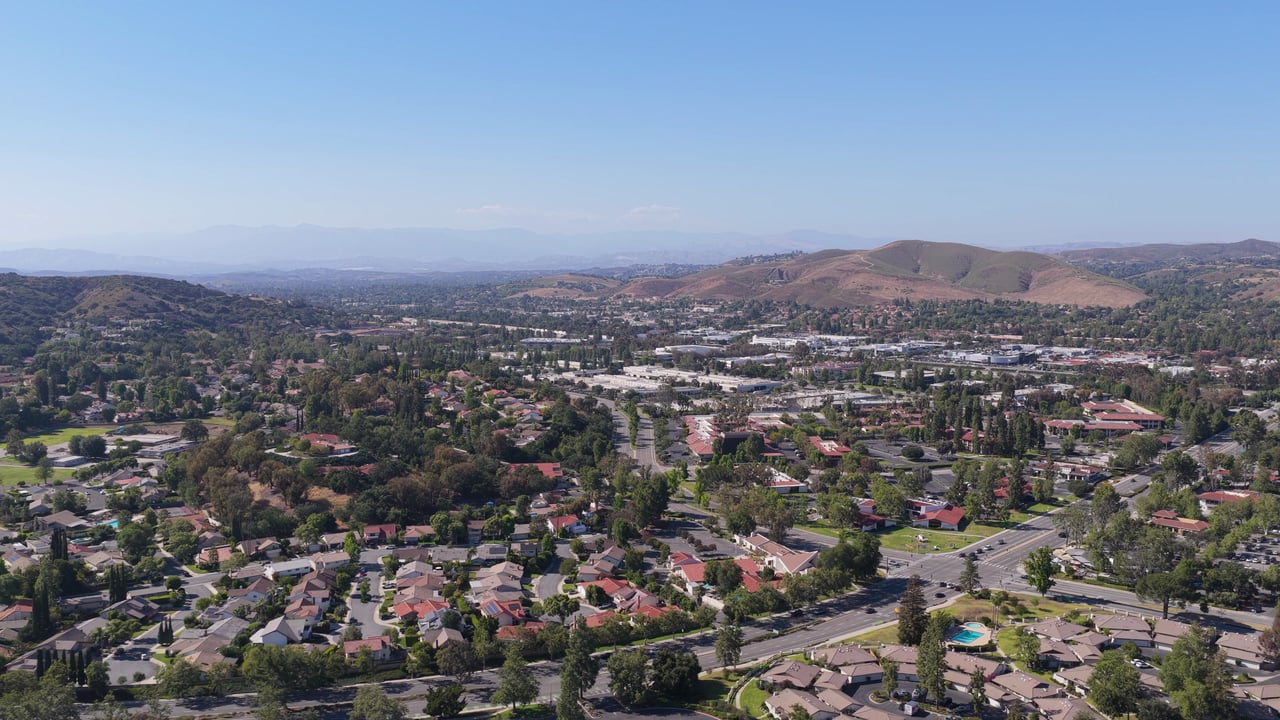
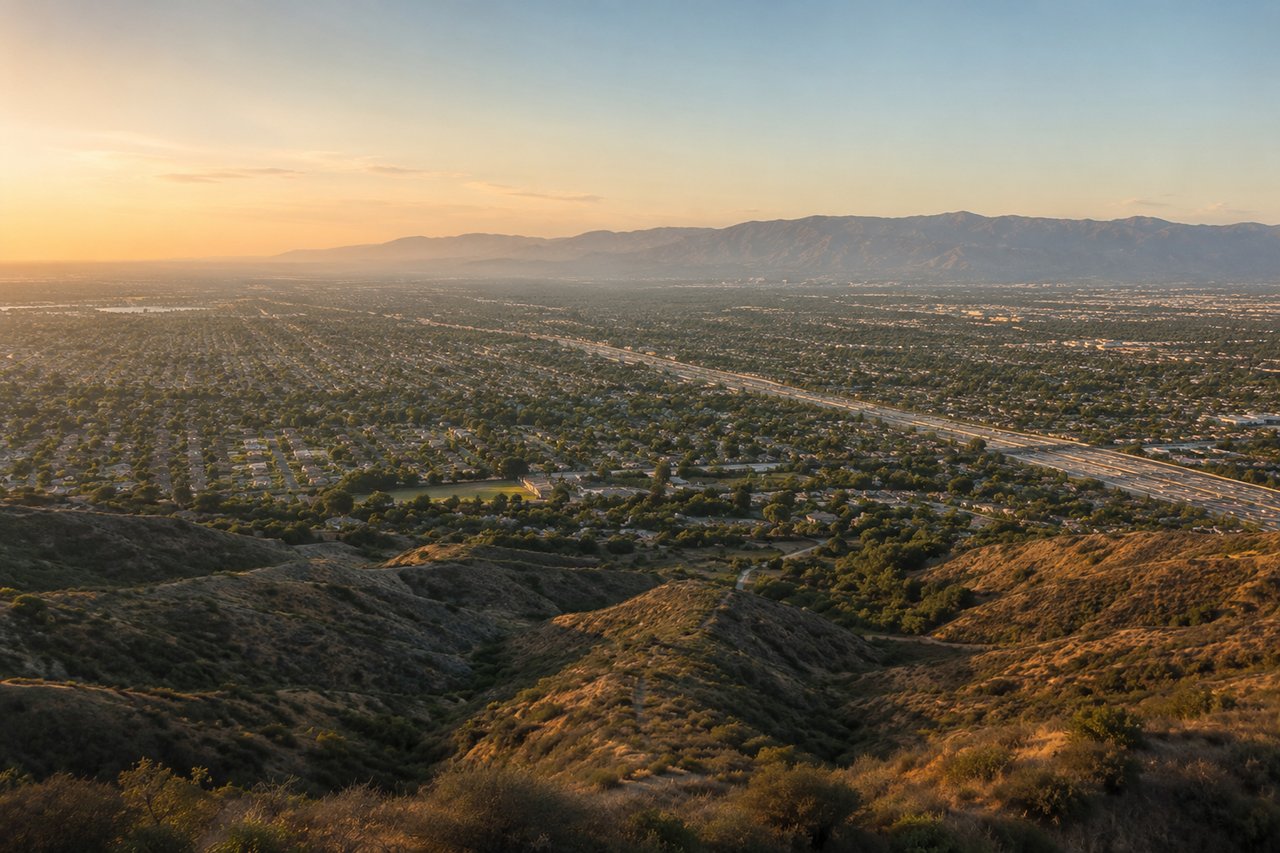
This is the first thing every out-of-state buyer needs to understand. "The San Fernando Valley" is not a neighborhood. It's a region. 260 square miles. Over 30 distinct neighborhoods. Population of roughly 1.8 million people. It's bigger than many American cities.
The difference between neighborhoods is enormous. Sherman Oaks has walkable boutique shopping on Ventura Boulevard and million-dollar condos. Northridge has large lots, good schools, and homes starting in the $700Ks. Lake Balboa has park access and an ADU construction boom. Woodland Hills has West Valley polish. Valley Glen is the up-and-comer. Van Nuys is the investor's playground.
Lumping them together is like saying "I'm moving to the Bay Area" without specifying whether you mean San Francisco, Oakland, or San Jose. You need to get specific.
Start With Your Commute
If you're moving for work, your commute determines your neighborhood. This is non-negotiable in LA.
If you work on the Westside (Santa Monica, Beverly Hills, Century City, West LA): Sherman Oaks or Encino. The 405 South is your commute. It will take 30 minutes on a good day and 75 minutes on a bad one. Living further north (Northridge, Porter Ranch) makes that commute brutal.
If you work in Burbank or Glendale: Valley Glen, North Hollywood, or Sherman Oaks east. Short commute, 15-25 minutes on surface streets or the 134/101.
If you work in Hollywood or Mid-City: Sherman Oaks or Studio City via Laurel Canyon or Cahuenga Pass. 20-40 minutes depending on time of day.
If you work in Warner Center or the West Valley: Woodland Hills, Tarzana, or Canoga Park. Five to fifteen minutes. This is the dream commute.
If you work remotely: Your world opens up. Northridge, Lake Balboa, Reseda, and Valley Glen all offer more space for less money. When commute doesn't dictate, value becomes the driver.
The 405 at 5 pm is not a freeway. It's a parking lot. I say this with love. Plan your neighborhood around your drive, and you'll be happier on day one.
Neighborhood-by-Neighborhood Overview
Here's the honest breakdown of the neighborhoods I sell in, written for someone who's never driven through them.
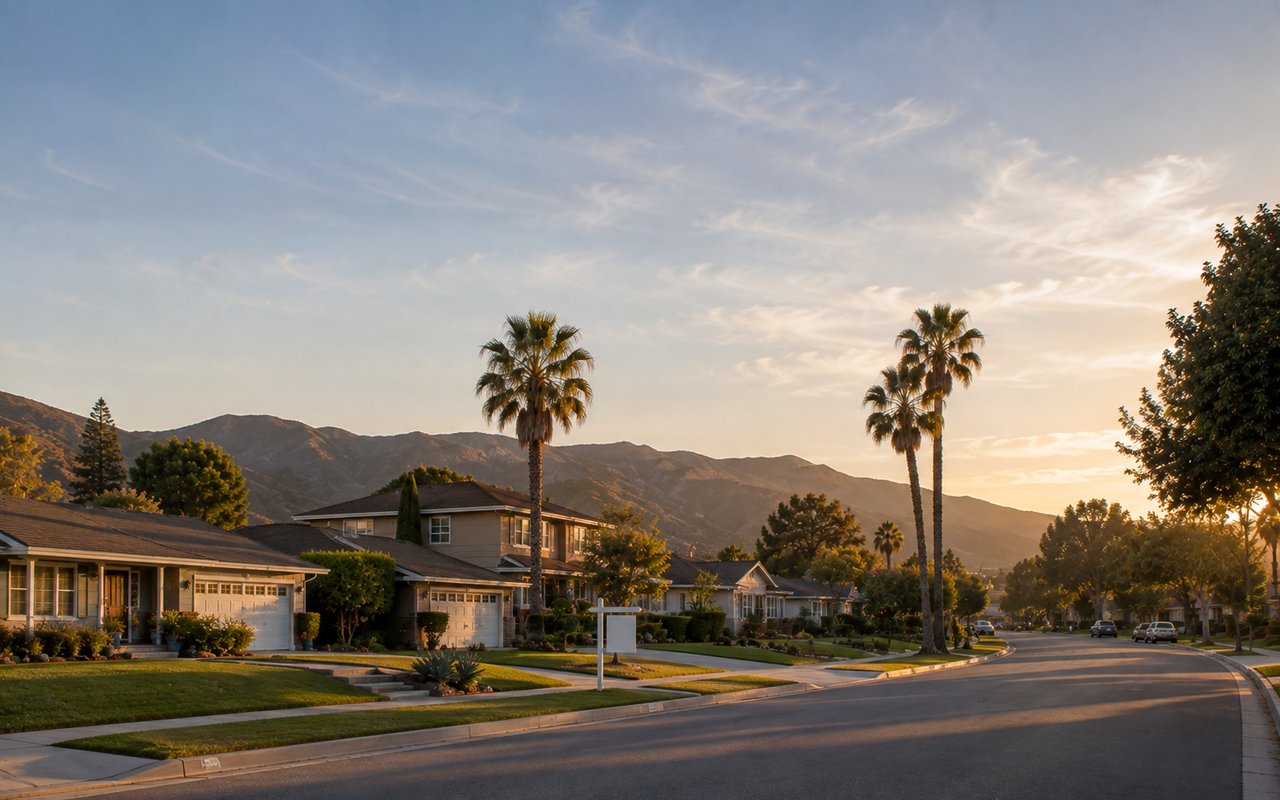
Sherman Oaks: The most well-known Valley neighborhood. South of Ventura Boulevard is the premium area, with walkable restaurants, shopping, and a village feel. North of Ventura is more residential and slightly more affordable. Median home price: $1.2M to $1.6M south of Ventura, $900K to $1.2M north. The tradeoff: smaller lots than most Valley neighborhoods, and traffic on Ventura Blvd is real.
Encino: Family-oriented, larger lots, quieter than Sherman Oaks. The Royal Oaks and Amestoy Estates pockets are among the most desirable in the Valley. Median: $1.1M to $1.8M depending on pocket. Great for families who want space without the flashiness of Calabasas.
Woodland Hills: The West Valley's polished option. Excellent schools (El Camino Real is one of the Valley's best public schools), Ventura Blvd dining, and proximity to Warner Center. Median: $950K to $1.4M. More space than Sherman Oaks, less traffic, and a Ventura Blvd restaurant scene that's quietly becoming one of the best in the Valley.
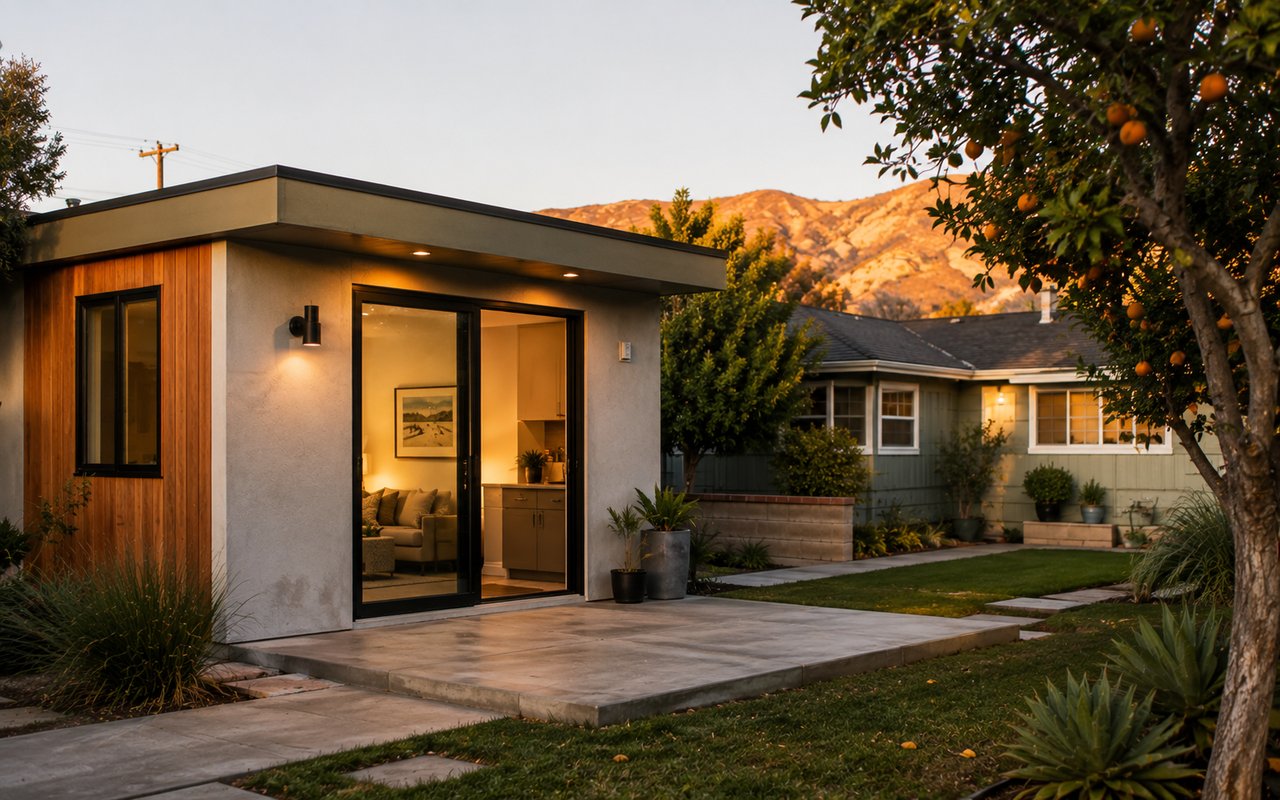
Lake Balboa: Best value with park access. Beilenson Park (Lake Balboa Park) is the crown jewel, with the lake, walking paths, and the Japanese Garden. Large lots, strong ADU potential, and a community feel. Median: $830K to $950K. This is my neighborhood, and I'm biased, but the value here is real.
Northridge: Space and schools for less. CSUN campus brings energy. Post-1994 earthquake rebuilds mean many homes are 30 years old but solidly built. Median: $750K to $950K. Best for first-time buyers who want a house with a yard, not a condo.
Valley Glen: The emerging pick. Spillover from North Hollywood's appreciation is pushing Valley Glen values up. Close to studios in Burbank and North Hollywood. Median: $800K to $1M. If you're looking for upside, this is where I'd point you.
Reseda: The value play. Central Valley location, 101 access, large lots, and prices 20-30% below neighboring Tarzana and Encino. Median: $700K to $850K. Reputation lags reality. Drive through it and judge for yourself.
Price Reality Check
Your out-of-state budget does not translate directly to the Valley. A $600,000 home in Texas buys you 2,500 square feet with a three-car garage on a half-acre lot. A $600,000 home in the Valley doesn't exist in most neighborhoods. Where it does (Van Nuys, Pacoima, Arleta), you're getting 1,100 square feet on a small lot.
Here's a realistic calibration:
- $700K to $900K: Northridge, Reseda, Lake Balboa, Valley Glen. 1,200 to 1,800 square feet. 3 bed/2 bath. Decent lot. Possibly needs updates.
- $900K to $1.2M: Lake Balboa premium pockets, Sherman Oaks north of Ventura, Woodland Hills entry-level. 1,400 to 2,000 square feet. Updated or move-in ready.
- $1.2M to $1.6M: Sherman Oaks south of Ventura, Encino, Woodland Hills premium. 1,800 to 2,500 square feet. Renovated or well-maintained.
- $1.6M and up: Encino estates, Sherman Oaks hillside, Porter Ranch new construction. Larger homes, premium lots, luxury finishes.
If those numbers feel high relative to where you're coming from, you're having the right reaction. The Valley offers more space than the Westside (where the same budget buys half the house), but it's still Los Angeles.
Schools
This is the section every family asks about, and it deserves an honest answer.
LAUSD (Los Angeles Unified School District): Most Valley neighborhoods are LAUSD. Quality varies enormously by school. Don't assume the school in your neighborhood is good or bad. Look up the specific school.
High-rated public options: El Camino Real Charter High (Woodland Hills) is consistently one of the Valley's best. Several elementary and middle schools in Encino, Sherman Oaks, and Woodland Hills rate well. The magnet program allows students to attend schools outside their neighborhood, but competition for spots is real.
Charter schools: Growing presence across the Valley. Some are excellent. Research individually.
Private schools: Campbell Hall (Studio City), Buckley (Sherman Oaks), Louisville (Woodland Hills) are among the top options. Tuition ranges from $15,000 to $40,000 per year.
The critical rule: Verify enrollment boundaries before you buy. School attendance zones don't always follow neighborhood lines. The house across the street might be zoned for a different school than the one you're targeting. Your agent should confirm this during the home search.
Things Out-of-State Buyers Learn the Hard Way
I share these with every relocating buyer, because learning them after you close is too late.
The 405 at rush hour. I mentioned it already. I'll mention it again. It's that important. Drive your commute route during rush hour before you commit to a neighborhood.
Fire insurance in hillside areas. If you're buying in the hills (Sherman Oaks south of Mulholland, Woodland Hills hillside, Porter Ranch upper elevations), fire insurance is expensive and sometimes difficult to obtain. Budget an additional $3,000 to $8,000 per year in some areas. Get an insurance quote before you make an offer, not after.
Earthquake preparedness. We live on fault lines. Earthquake insurance is separate from your homeowner's policy and costs $1,500 to $4,000 per year for most Valley homes. It's optional but worth the conversation.
Property tax (Prop 13). Good news: California's Proposition 13 caps your property tax at roughly 1% of purchase price and limits annual increases to 2%. Unlike Texas, your property tax doesn't spike every year. Your tax bill is relatively predictable.
No basements. Valley homes don't have basements. If you're coming from the Midwest or Northeast, this is an adjustment. Storage solutions and garage organization become important.
Smaller lots than you're used to. A 7,000 square foot lot in the Valley is considered generous. If you're coming from an area where quarter-acre lots are standard, recalibrate your expectations.
The Buying Process for Out-of-State Buyers
You don't have to be in LA to buy a home here, but the process requires coordination.
Virtual tours: I do detailed video walkthroughs for out-of-state buyers. Not the 30-second listing video. Real walkthroughs where I show you the neighborhood, the street, the parking situation, and the actual condition of the home.
Remote offers: California allows electronic signatures for purchase agreements. You can write an offer from your current city. I'll walk you through the disclosures by phone or video call.
Inspections: You should be present for inspections if possible. If not, I attend on your behalf and share detailed reports and video.
Escrow timeline: Typical Valley escrow is 30-45 days from accepted offer to close. If you're coordinating a move from out of state, build in buffer time.
California disclosure requirements: California has more disclosure requirements than most states. Expect to receive 100+ pages of documents during escrow. It's thorough, and it protects you.
Rent First or Buy Immediately?
This is the most common question I get from relocating buyers, and the honest answer is: it depends.
Rent first if: You've never lived in LA and you don't know the neighborhoods. A 6-12 month rental lets you experience the commute, the schools, and the neighborhood vibe before committing. It's worth the extra moving cost.
Buy immediately if: You've visited multiple times, you know where you want to be, your financing is ready, and you can act quickly when the right home hits the market. In competitive Valley neighborhoods, hesitation means losing homes.
The middle ground: Some buyers rent in their target neighborhood for 3-6 months while actively house hunting. This gives you local knowledge without the pressure of a long lease.
Let Me Be Your Guide
I help out-of-state buyers find the right Valley neighborhood. Not the most expensive one. The right one. I'll drive you through neighborhoods, explain the micro-differences between streets, and give you the honest pros and cons that a Redfin search can't show you.
Moving to a new city is stressful enough. Your real estate decision shouldn't add to the anxiety. Let me take that part off your plate.
Justin Bonney is a California real estate agent (DRE #01338897) and the owner of Clear Way Real Estate in Sherman Oaks. He specializes in the San Fernando Valley, including Sherman Oaks, Encino, Woodland Hills, Lake Balboa, Northridge, and Valley Glen.