Woodland Hills is the western San Fernando Valley's blend of suburban space and urban convenience, anchored by the Warner Center business district to the north and the hillside streets climbing toward Mulholland and Topanga to the south. Single-family homes here generally run from about $1 million on the flatter streets to well over $2 million for larger or hillside properties south of Ventura Boulevard, with a current median around $1.34 million. It suits move-up families who want bigger lots and strong schools, professionals working in or near Warner Center, and buyers who want a greener, more spread-out feel without leaving the Valley. If you want room to breathe, top schools, and real shopping and jobs minutes away, Woodland Hills delivers.
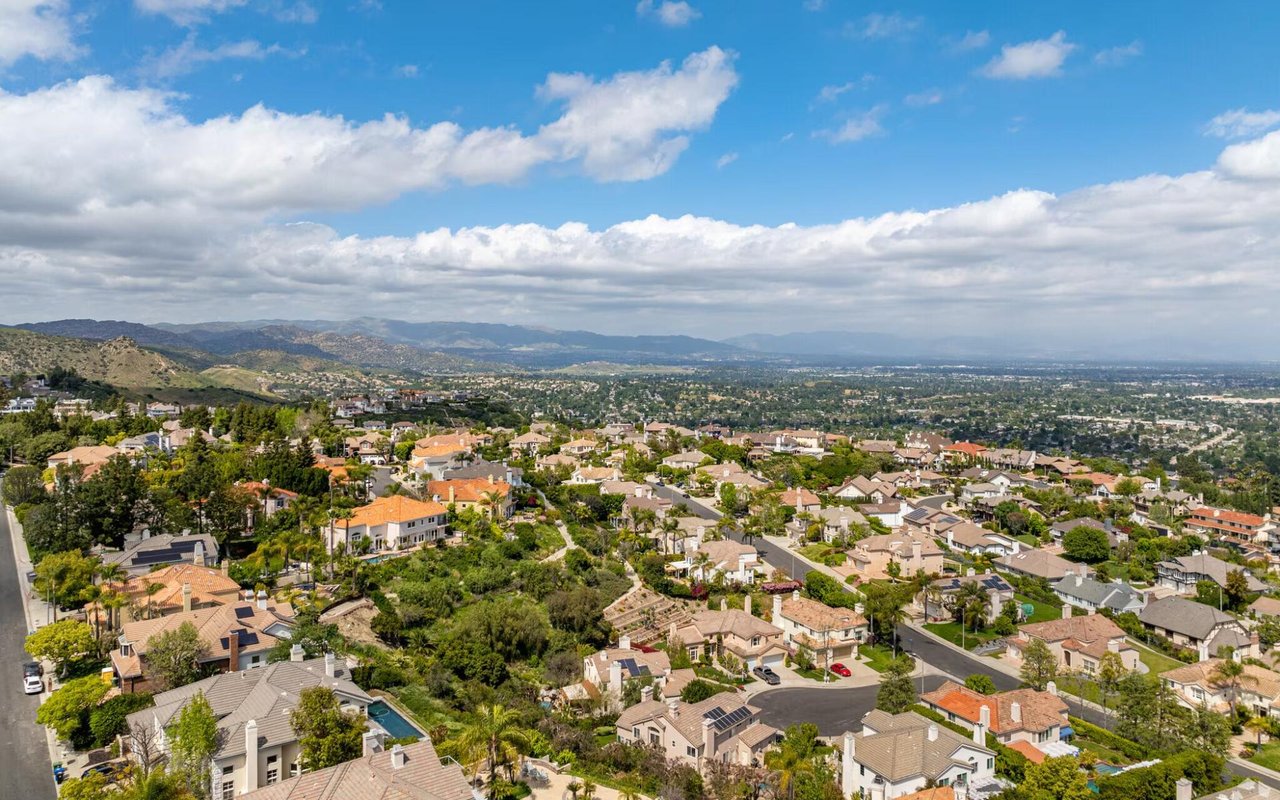
Woodland Hills sits at the western edge of the San Fernando Valley, where the grid gives way to rolling hills and the Santa Monica Mountains. That setting is the whole appeal: larger lots, mature trees, and a calmer, more residential pace than the central Valley, paired with one of the Valley's biggest concentrations of jobs, shopping, and dining at Warner Center.
It is really two neighborhoods in one. North of Ventura Boulevard you have Warner Center's high-rises, master-planned communities, and the retail gravity of Westfield Topanga and The Village. South of Ventura the streets climb into the hills toward Mulholland and Topanga Canyon, where lots grow, privacy increases, and prices reach their highest. Running between them, Ventura Boulevard carries the everyday dining, services, and small business that tie the neighborhood together.
I work the western Valley closely, and Woodland Hills is a neighborhood where the right pocket, lot, and school zone can swing value substantially. That block-level read is exactly what I bring to buyers and sellers here.
Woodland Hills was developed across the mid-20th century and matured into one of the Valley's most established family markets. The housing stock reflects that: classic 1960s and 1970s ranch homes, a strong bench of mid-century architecture (including homes by noted Valley architect Edward Fickett), newer construction, and genuinely impressive estates in the southern hills.
The neighborhood spans two primary ZIP codes. 91364 covers the southern and eastern side, including most of the coveted south-of-Ventura hillside streets and the semi-rural Walnut Acres area. 91367 covers the northern and western side, including Warner Center, the El Camino Real area, and much of the master-planned and condo product. Knowing which ZIP and which side of Ventura a home sits on is the single biggest driver of price and feel in Woodland Hills.
Woodland Hills real estate rewards specificity. A home on a flat street north of Ventura and a hillside home south of it can carry very different price tags despite sharing a ZIP, because buyers here pay for lot size, elevation, views, privacy, and school zoning as much as square footage.
At the entry end, condos and townhomes, many around Warner Center, give buyers a foothold in the neighborhood. Single-family homes on the flatter streets generally open around $1 million, while south of Ventura, where lots grow and views appear, pricing climbs well past $2 million in the better hillside pockets. Inventory for well-priced family homes runs tight and competition is real.
As of May 2026, the Woodland Hills median sold price was about $1.34 million, with a median estimated home value near $1.22 million, at roughly $630 per square foot. Homes sold in a median of about 22 days at 99.8% of list price, and with 3.48 months of inventory the area remains a seller's market. For move-in-ready homes in the strongest pockets, expect competition and be ready to move quickly.
Woodland Hills is best understood through its sub-areas, and the dividing line that matters most is Ventura Boulevard.
South of the Boulevard. The prestige tier. Streets climb toward Mulholland and Topanga, lots get larger, and many homes capture canyon or Valley views. This is where the neighborhood's highest values and some of its strongest school zoning sit.
Walnut Acres. A south-of-the-boulevard pocket known for its larger, semi-rural lots and quiet, established feel. A favorite for buyers who want space and a true neighborhood identity.
Vista de Oro. Another desirable southern pocket of hillside and view-oriented homes, popular with move-up buyers.
Warner Center and north of Ventura. The flatter, more urban side, anchored by the Warner Center business district, high-rise condos, master-planned communities, and the retail of Westfield Topanga and The Village. This is the most walkable, amenity-dense part of Woodland Hills and the most accessible entry point on price.
Because the right pocket depends entirely on your priorities, space, views, schools, walkability, or value, I walk every buyer through a sub-area comparison before we tour a single home.
Schools are a primary reason families plant roots in Woodland Hills. On the public side, El Camino Real Charter High School is one of the most respected public high schools in the Valley, with a nationally known academic program. The neighborhood is served by the Los Angeles Unified School District with several well-regarded elementary and middle campuses, and zoning varies by pocket, so confirm the attendance area for any specific address.
On the private side, Woodland Hills and its immediate surroundings offer strong options including Louisville High School, with additional well-known independents such as Viewpoint School a short drive away. If you are comparing Valley options for a growing family, my guide to the best San Fernando Valley neighborhoods for families puts Woodland Hills in context.
Beyond schools, the family appeal is concrete: bigger lots, parks, trail access, and a quieter residential feel than the central Valley.
Woodland Hills is one of the Valley's best neighborhoods for outdoor access. The southern hills open into the Santa Monica Mountains, with trail systems and open space including the Upper Las Virgenes Canyon Open Space Preserve and connections toward Topanga State Park. Warner Center Park anchors the north side with events and green space, and the neighborhood's tree canopy and larger lots give it a genuinely green feel. For buyers who want hiking, space, and nature within minutes of home, few Valley neighborhoods compete.
Woodland Hills is a retail and dining anchor for the entire western Valley. Westfield Topanga and the adjacent open-air Village at Westfield Topanga form one of the largest shopping and dining destinations in Los Angeles, with major retail, a deep roster of restaurants, and entertainment. The Ventura Boulevard corridor adds everyday dining, services, and local business. Few Valley neighborhoods let residents handle this much of life, from a weeknight dinner to a full shopping day, without leaving their own borders.
Woodland Hills sits along the US-101 (Ventura Freeway), giving quick access east across the Valley and west toward the 101 corridor, Calabasas, and Ventura County. Topanga Canyon Boulevard cuts south through the mountains to the coast and Malibu, a rare direct line from the Valley to the beach. Warner Center's concentration of jobs means many residents enjoy a short commute, while access to the rest of Los Angeles runs through the 101 and connecting freeways. A realistic drive to downtown Los Angeles runs roughly 35 to 50 minutes depending on traffic, and the Westside is reachable via the 101 or over the canyon.
The biggest story is the continued transformation of Warner Center. Ongoing mixed-use and residential development under the Warner Center plan keeps adding housing, retail, and office, reshaping the north side of the neighborhood. A marquee piece is the arrival of the Los Angeles Rams headquarters and training facility at Warner Center, a major investment expected to draw jobs, visitors, and attention to the area. I broke down what that means for the western Valley market in my post on Rams Village at Warner Center. For buyers and investors, the steady densification and investment around Warner Center is a real long-term value driver for the northern half of Woodland Hills.
Woodland Hills has the profile long-term owners and investors look for: durable family demand, constrained hillside supply, a major jobs and retail center, and strong schools. South-of-the-boulevard hillside property carries the strongest appreciation profile and the highest barrier to entry. North-of-the-boulevard homes and Warner Center condos offer a more accessible entry point with reliable demand, and they stand to benefit most from continued Warner Center investment. Across both tiers, the western Valley continues to attract buyers seeking space and value relative to the Westside.
Is Woodland Hills a good place to live?
For many buyers, yes. Woodland Hills offers larger lots, strong schools, abundant shopping and dining at Warner Center, and real outdoor access, all within the San Fernando Valley. You pay a premium compared to the central Valley, but you get space, amenities, and a greener, more residential feel that has held value well over time.
Is Woodland Hills a safe neighborhood?
Woodland Hills is generally regarded as one of the more comfortable and established neighborhoods in the western Valley, particularly in the residential pockets south of Ventura Boulevard. As anywhere in Los Angeles, conditions vary block by block, and I am glad to walk through specific streets with buyers.
What is the difference between the 91364 and 91367 ZIP codes?
91364 covers the southern and eastern side, including the south-of-Ventura hillside streets and the semi-rural Walnut Acres pocket, where lots and prices run higher. 91367 covers the northern and western side, including Warner Center and more condos and master-planned product, with generally more accessible pricing. The right ZIP depends on whether you want hillside space or walkable, amenity-rich convenience.
Is Woodland Hills good for families with kids?
Very much so. Families are drawn by larger lots, parks and trails, and schools like El Camino Real Charter High School, along with strong private options nearby. The quieter residential streets, especially south of the boulevard, are a major draw for long-term roots.
How long does it take to commute from Woodland Hills to downtown Los Angeles?
A typical drive to downtown Los Angeles runs roughly 35 to 50 minutes depending on traffic, primarily via the US-101. Many residents who work at Warner Center enjoy a much shorter commute, and Topanga Canyon offers a direct route to the coast.
Is Woodland Hills expensive?
Woodland Hills sits in the upper tier of the San Fernando Valley market, especially in the hillside pockets south of Ventura Boulevard, where homes commonly exceed $2 million. Pricing is more approachable north of the boulevard and around Warner Center, which is why mapping your budget to the right pocket and ZIP matters so much.
Woodland Hills sits among several of the western Valley's most desirable areas. If you are weighing your options, compare it with neighboring West Hills, Tarzana, and Encino.
I am Justin Bonney, broker and owner of Clear Way Real Estate. With 15+ years guiding buyers and sellers across the San Fernando Valley, I know how much a single block, elevation, or school zone can move value in Woodland Hills, and I bring that pocket-level read to every client.
Whether you are buying your first Woodland Hills home, moving up into the hills south of the boulevard, or preparing to sell and want a strategy built around the neighborhood's real demand, I would welcome the conversation.
Call or text me at (818) 697-4884, or email [email protected]. Clear Way Real Estate, 15233 Ventura Blvd, Suite 500, Sherman Oaks. DRE #01338897.
Justin Bonney is a licensed California real estate broker and the owner of Clear Way Real Estate, serving the greater San Fernando Valley and Los Angeles.
74,089 people live in Woodland Hills, where the median age is 41 and the average individual income is $63,007. Data provided by the U.S. Census Bureau.
Total Population
Median Age
Population Density Population Density This is the number of people per square mile in a neighborhood.
Average individual Income
There's plenty to do around Woodland Hills, including shopping, dining, nightlife, parks, and more. Data provided by Walk Score and Yelp.
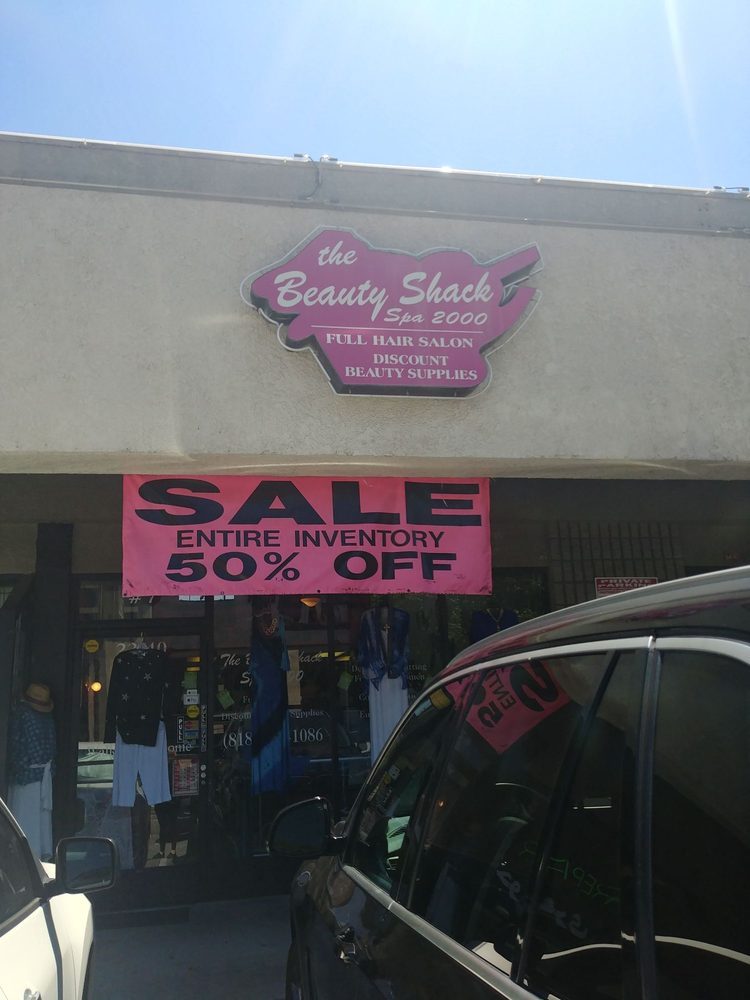
Explore popular things to do in the area, including H.V.P Certified Farmers Market, Sweet Pies O' Mine, and Beauty Shack.
| Name | Category | Distance | Reviews |
Ratings by
Yelp
|
|---|---|---|---|---|
| Dining · $ | 0.72 miles | 0 reviews | 0/5 stars | |
| Dining | 0.72 miles | 0 reviews | 0/5 stars | |
| Shopping | 0.31 miles | 5 reviews | 2.6/5 stars | |
| Active | 0.07 miles | 0 reviews | 0/5 stars | |
| Active | 0.09 miles | 5 reviews | 5/5 stars | |
| Active | 0.18 miles | 0 reviews | 0/5 stars | |
| Beauty | 0.13 miles | 0 reviews | 0/5 stars | |
| Beauty | 0.13 miles | 0 reviews | 0/5 stars | |
| Beauty | 0.15 miles | 0 reviews | 0/5 stars | |
| Beauty | 0.15 miles | 0 reviews | 0/5 stars | |
| Beauty | 0.18 miles | 0 reviews | 0/5 stars | |
| Beauty | 0.18 miles | 0 reviews | 0/5 stars | |
| Beauty | 0.21 miles | 0 reviews | 0/5 stars | |
| Beauty | 0.24 miles | 172 reviews | 4/5 stars | |
| Beauty | 0.25 miles | 13 reviews | 1.2/5 stars | |
| Beauty | 0.27 miles | 21 reviews | 4.5/5 stars | |
| Beauty | 0.28 miles | 4 reviews | 5/5 stars | |
| Beauty | 0.34 miles | 0 reviews | 0/5 stars | |
| Beauty | 0.4 miles | 1 review | 5/5 stars | |
| Beauty | 0.59 miles | 0 reviews | 0/5 stars | |
| Beauty | 0.64 miles | 0 reviews | 0/5 stars | |
| Beauty | 0.69 miles | 0 reviews | 0/5 stars | |
| Beauty | 0.72 miles | 1 review | 5/5 stars | |
|
|
||||
|
|
||||
|
|
||||
|
|
||||
|
|
||||
|
|
Woodland Hills has 29,138 households, with an average household size of 1.7166666666666668. Data provided by the U.S. Census Bureau. Here’s what the people living in Woodland Hills do for work — and how long it takes them to get there. Data provided by the U.S. Census Bureau. 74,089 people call Woodland Hills home. The population density is 5,191 and the largest age group is Data provided by the U.S. Census Bureau.
Total Population
Population Density Population Density This is the number of people per square mile in a neighborhood.
Median Age
Men vs Women
Population by Age Group
0-9 Years
10-17 Years
18-24 Years
25-64 Years
65-74 Years
75+ Years
Education Level
Total Households
Average Household Size
Average individual Income
Households with Children
With Children:
Without Children:
Marital Status
Blue vs White Collar Workers
Blue Collar:
White Collar: