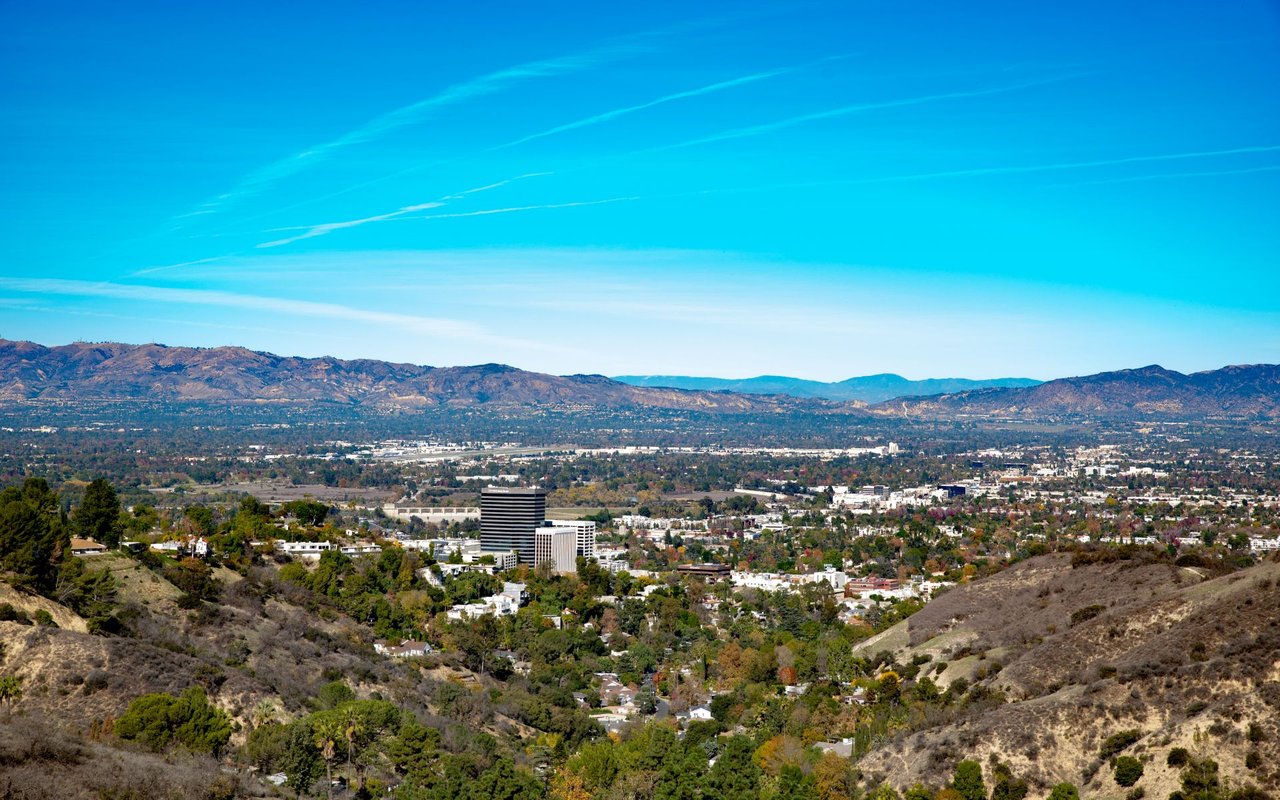
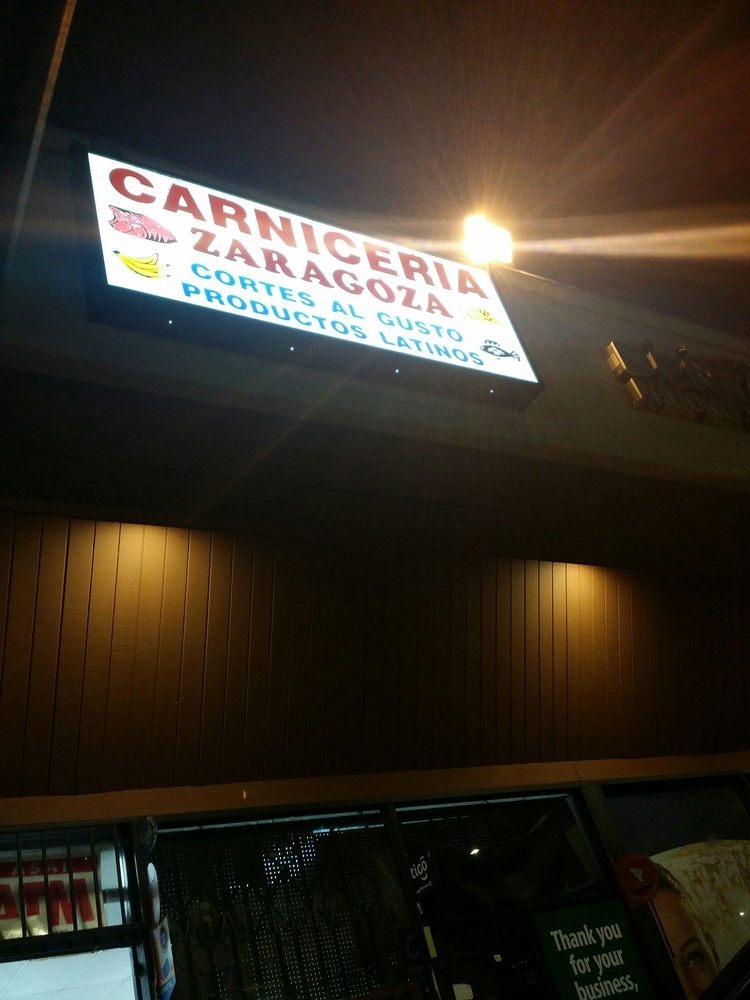
Van Nuys is the geographic and civic heart of the San Fernando Valley and the Valley's best-value entry point: a Metrolink station, the G Line busway, a real commercial spine along Van Nuys Boulevard, and the most diverse housing stock of any Valley neighborhood, from post-war bungalows to multifamily investment property. Single-family homes typically run from the high $600,000s to around $900,000, with a current median sold price near $887,500, well below neighboring Sherman Oaks or Encino. It suits first-time buyers, investors targeting rental and multifamily property, and families who want more house for the money. If you want central location, real transit, and genuine upside as the Sepulveda rail line and Boulevard revitalization land, Van Nuys delivers.
Van Nuys is one of the oldest and most established neighborhoods in the San Fernando Valley, with a history that traces back to the early 20th century. Originally founded as one of the earliest planned communities in the Valley, Van Nuys grew into a major urban center that houses the Van Nuys Civic Center with its courthouses and government offices, the Van Nuys Metrolink station on the Ventura County Line, the Van Nuys Airport, and a substantial commercial corridor along Van Nuys Boulevard.
In 2007, the Lake Balboa area was formally separated and recognized as its own neighborhood, shrinking Van Nuys's formal boundaries but leaving the core Van Nuys identity intact. Today, Van Nuys covers multiple ZIP codes including 91401, 91405, 91411, and portions of 91406, the ZIP it shares with Lake Balboa. The 405 freeway is the practical dividing line on that shared ZIP: west of the 405 reads as Lake Balboa, while east of the 405 is Van Nuys. The neighborhood is bordered by Panorama City to the north, North Hills to the northwest, Valley Glen to the east, Sherman Oaks to the south, and Lake Balboa to the west.
Van Nuys is bigger and more diverse than most people realize. The neighborhood contains genuine urban density along Van Nuys Boulevard, quiet residential streets in the eastern pocket near Valley Glen, airport-adjacent commercial and industrial areas, and family-oriented residential blocks closer to the Sherman Oaks border. That variety is part of why Van Nuys has multiple sub-markets, each with its own pricing, buyer pool, and character.
The Van Nuys Civic Center gives the central neighborhood an urban identity that is unusual for the Valley. Courthouses, government offices, and municipal services anchor a truly civic downtown. The Van Nuys Metrolink station on the Ventura County Line is a legitimate commuter rail asset unavailable in most Valley neighborhoods. The Van Nuys FlyAway bus service to LAX is also based in Van Nuys.
Van Nuys is the Valley's entry-point neighborhood for many first-time buyers, investors targeting rental property, and families who want more house for their money than they can get in Sherman Oaks or Encino at the same price point.
Van Nuys features the most diverse housing stock of any Valley neighborhood. You will find mid-century ranch single-family homes, duplexes, fourplexes, small apartment buildings, condos, townhomes, and newer infill all within a short drive of each other. That diversity gives buyers at different price points real entry options here.
Typical Van Nuys single-family homes trade in the $650,000 to $900,000 range in 2026, with the strongest pockets near the Valley Glen or Sherman Oaks borders commanding premiums above that range. Entry-level single-family homes in the denser central and northern pockets can be found in the mid-$600,000s. Multifamily properties and small income-producing properties are substantially more available here than in most Valley neighborhoods, which makes Van Nuys a primary target for investors.
As of May 2026, the Van Nuys median sold price was about $887,500 at roughly $573 per square foot, with homes selling in a median of 21 days at 101.6% of list price, meaning the typical sale closed slightly over asking. With about three months of inventory, Van Nuys is a firm seller's market and one of the most competitive accessible-price neighborhoods in the Valley.
Lot sizes vary significantly by pocket. Some blocks feature 7,500 square foot lots similar to Lake Balboa. Others have 5,000 square foot lots more typical of dense urban residential areas. The pocket you are shopping in matters enormously for lot size and long-term value.
Van Nuys covers a large area with meaningfully different submarkets. Understanding the pocket structure is essential before writing an offer.
East Van Nuys, Valley Glen-adjacent. The premium pocket of Van Nuys. Quieter residential streets, larger lots, and character closer to Valley Glen than central Van Nuys. Prices here run at the top of the Van Nuys range. Buyers targeting this pocket often feel they are getting Valley Glen quality at a Van Nuys price.
Central Van Nuys, along the Van Nuys Boulevard corridor. The urban heart of Van Nuys. Denser housing, more commercial bleed into residential, and the strongest pedestrian activity in the neighborhood. More apartment inventory, closer proximity to Metrolink, and significant mixed-use opportunities.
Southern Van Nuys, south of Vanowen and east of Sepulveda. This pocket overlaps with Lake Balboa adjacency and feels more residential than central Van Nuys. Single-family dominant, quieter blocks, and character similar to the Lake Balboa value pockets. Often the best blend of Van Nuys pricing with residential feel.
Airport-adjacent and Sherman Way corridor. Closer to Van Nuys Airport and the industrial and commercial strip. Lower price points due to aircraft noise and commercial proximity, but value-focused buyers can find real deals here. The airport noise reality should be assessed block by block, as exposure varies.
Van Nuys has some of the Valley's most authentic and longest-running restaurants, spread across a broad neighborhood.
Bill & Hiroko's Sushi. A neighborhood sushi institution in Van Nuys with a strong reputation for quality, consistency, and loyal local clientele.
Mr. Ramen. A Van Nuys ramen shop that has grown a dedicated local following as Valley ramen culture has expanded.
Salsa & Beer. Mexican food favorite with generous portions, cold drinks, and consistent draw from Van Nuys residents.
Woodley's Cafe and other longstanding breakfast spots. Van Nuys has a solid breakfast and brunch scene that caters to both local residents and the business community around the Civic Center.
Van Nuys taco scene. The neighborhood has one of the strongest authentic taco cultures in the Valley, with multiple strong trucks and small shops throughout the area. Local favorites shift but the depth of options is a genuine Van Nuys strength.
Van Nuys has solid park access, especially on its western and southern edges where the Sepulveda Basin Recreation Area creates one of Los Angeles's largest urban park systems.
Van Nuys Sherman Oaks Park. A major regional park straddling the Van Nuys and Sherman Oaks border. Includes a pool, tennis courts, baseball fields, picnic areas, and a community recreation center. A genuine community anchor for the southern Van Nuys pockets.
Sepulveda Basin Recreation Area. The expansive 2,000-acre park system sits on the western edge of Van Nuys, with direct access from Van Nuys residential streets. Lake Balboa, the Japanese Garden, Woodley Park, cricket fields, and the Off-Leash Dog Park are all within easy reach.
Lake Balboa Golf Course. Public course offering affordable rounds in a central Valley setting. Accessible to Van Nuys residents within a short drive.
Neighborhood parks. Smaller community parks serve individual Van Nuys pockets, including facilities adjacent to Van Nuys High School and along the major residential corridors.
Van Nuys Boulevard serves as the primary commercial corridor for the neighborhood, with retail, restaurants, services, and the historic downtown stretch. The area has retained more of a genuine downtown feel than most Valley neighborhoods.
The Plant shopping center at Van Nuys Boulevard and Roscoe provides substantial national retail including Home Depot, Ross, Old Navy, PetSmart, and multiple restaurants. Surrounding retail along Sepulveda Boulevard, Sherman Way, and Victory Boulevard offers grocery stores, pharmacies, specialty shops, and service businesses.
For larger shopping needs, the Sherman Oaks Galleria and Fashion Square are short drives south. The Northridge Fashion Center and the Northridge-area retail corridors are accessible to the north.
Van Nuys has the strongest transit infrastructure of almost any Valley neighborhood. Three specific assets stand out.
The Van Nuys Metrolink station on the Ventura County Line provides rail service to downtown LA and out to Ventura County. This is a legitimate commuter rail option unavailable in most Valley neighborhoods, and it affects property values along the rail corridor.
The Metro Orange Line (G Line) busway runs through Van Nuys with multiple stops, providing car-free connectivity to North Hollywood and the Metro Red Line subway.
The Van Nuys FlyAway bus service to LAX is based here, making Van Nuys exceptionally well-positioned for frequent travelers.
Freeway access is strong. The 405 Freeway runs through eastern Van Nuys. The 101 is accessible to the south. The 170 sits close to the east for eastbound trips.
From Van Nuys, downtown LA is typically 25 to 35 minutes depending on traffic. Burbank is 15 to 20 minutes. The west Valley employment centers in Warner Center are 20 to 30 minutes.
The Los Angeles Unified School District serves Van Nuys with a mix of neighborhood, magnet, and charter schools.
Van Nuys High School is a significant LAUSD campus with strong magnet programs, including a Performing Arts Magnet and Math, Science, and Technology options. These magnet programs draw students from across the Valley and offer a meaningfully different educational experience than the standard comprehensive high school track.
Van Nuys Middle School serves much of the neighborhood at the middle school level. Elementary schools serving Van Nuys vary block by block, with families often combining neighborhood enrollment with LAUSD's magnet and charter application processes for better educational outcomes.
For families prioritizing top-rated default public schools, Van Nuys typically requires engaging the magnet pathway rather than relying on default assignments. For families open to magnets and charters, Van Nuys delivers solid educational options at significantly lower entry prices than Encino or Studio City. If you are comparing Valley options for a growing family, my guide to the best San Fernando Valley neighborhoods for families puts Van Nuys in context.
Several developments worth tracking for Van Nuys buyers and residents:
The Sepulveda Transit Corridor. Van Nuys is the Valley anchor of this major Metro subway project. In January 2026 the Metro Board approved Modified Alternative 5, a roughly 13-mile, fully underground heavy-rail line connecting the Valley to the Westside. It begins at the Van Nuys Metrolink Station with a second stop at the G Line on Van Nuys Boulevard, which means two planned stations sit inside Van Nuys, with onward connections to Ventura Boulevard, UCLA, Wilshire, and the Expo/Sepulveda E Line. Cost estimates run roughly $20 to $25 billion, partly funded by Measure M, and the project is now in environmental review with service projected for the early-to-mid 2030s. Few Valley neighborhoods are positioned to gain a direct rail link to the Westside, which makes this one of the most significant long-term value drivers in Van Nuys. Learn more on Metro's official Sepulveda Transit Corridor page.
The East San Fernando Valley Transit Corridor. Metro is planning a major light rail line through the east Valley, with significant implications for Van Nuys connectivity over the next decade. Long-term, this project shapes property values along the transit spine.
Van Nuys Boulevard revitalization. Ongoing efforts to revitalize the historic Van Nuys downtown stretch, including streetscape improvements, new retail development, and mixed-use construction along the corridor.
Housing production. Van Nuys is seeing substantial new multifamily and mixed-use construction, particularly along transit corridors and the commercial spine. This affects both housing supply and neighborhood character over the next few years.
Van Nuys remains the San Fernando Valley's entry-point neighborhood for multiple buyer profiles. First-time buyers looking for Valley single-family homeownership. Investors seeking rental income at workable cap rates. Families willing to navigate the LAUSD magnet and charter system in exchange for more house per dollar.
For investors, Van Nuys offers the strongest cap rate math in the central Valley. Multifamily properties, duplexes, and smaller income properties produce better cash flow here than in higher-priced neighbors. ADU opportunities exist particularly in the southern Van Nuys pockets with larger lots.
For homeowners, Van Nuys offers entry-level single-family homeownership at prices that remain accessible in a Valley market that has priced many buyers out. Appreciation potential is real, particularly as transit improvements land and as the Van Nuys Boulevard revitalization continues. A 5- to 10-year hold in the right Van Nuys pocket has a strong upside-to-downside ratio.
Is Van Nuys a good place to live?
For many buyers, yes. Van Nuys offers the most central location in the Valley, real transit (Metrolink, the G Line, FlyAway to LAX), the most diverse housing stock, and prices well below Sherman Oaks or Encino. It varies meaningfully by pocket, so matching the right pocket to your priorities is the key.
Is Van Nuys a safe neighborhood?
Van Nuys is large and varies block by block. The western and southern pockets near Lake Balboa and the Sherman Oaks border tend to be quieter and more residential, while the central Boulevard corridor is denser and more urban. I am glad to walk through specific streets with buyers so you can make a fully informed decision.
Is Van Nuys a good investment?
Van Nuys offers some of the strongest cap-rate math in the central Valley, with more multifamily and small income property available than most Valley neighborhoods, ADU potential on the larger-lot pockets, and real long-term upside as the Sepulveda rail line and Boulevard revitalization land.
What ZIP codes is Van Nuys, and how does it overlap with Lake Balboa?
Van Nuys covers 91401, 91405, 91411, and parts of 91406. The 91406 ZIP is shared with Lake Balboa, and the 405 freeway is the practical line: west of the 405 reads as Lake Balboa, east of it is Van Nuys. Knowing which side of the 405 a 91406 home sits on matters for both identity and value.
How long does it take to commute from Van Nuys to downtown Los Angeles?
A typical drive runs about 25 to 35 minutes depending on traffic, and Van Nuys also has rare transit options for the Valley: the Metrolink station to downtown and Ventura County, the G Line busway, and the FlyAway to LAX.
What will the Sepulveda Transit Corridor do for Van Nuys?
Van Nuys is the Valley anchor of the planned line, with two stations planned inside the neighborhood (the Metrolink Station and the G Line at Van Nuys Boulevard) and a direct rail link to the Westside. It is one of the most significant long-term value drivers in the neighborhood.
Van Nuys borders Panorama City to the north, North Hills to the northwest, Valley Glen to the east, Sherman Oaks to the south, and Lake Balboa to the west. Each neighborhood has its own distinct character and market dynamics. If you are comparing Van Nuys to a neighbor, each guide goes deeper on the specific market you are weighing.
I sell across the San Fernando Valley, with 15+ years of market experience and active client representation in Van Nuys. I know the specific pockets, the school and magnet considerations, the airport noise reality block by block, the Metrolink commute advantage, and the pricing variation that shifts dramatically depending on which side of Van Nuys Boulevard a property sits on.
Van Nuys includes more complex transactions than many Valley neighborhoods. Tenant-occupied rental sales. Tired landlord exit strategies. Multifamily and small-income property deals. Post-2007 Lake Balboa boundary dynamics for buyers weighing both neighborhoods. For landlords thinking about their exit, my tired landlord exit options guide walks through the four real paths. For buyers weighing Van Nuys against Lake Balboa, the Lake Balboa vs Van Nuys comparison covers the full analysis.
For a straight read on whether Van Nuys is the right Valley neighborhood for your specific situation, let's talk.
Call or text (818) 697-4884 or email [email protected].
Justin Bonney is a California real estate agent (DRE #01338897) and the owner of Clear Way Real Estate in Sherman Oaks. He specializes in Lake Balboa, Van Nuys, Sherman Oaks, and the surrounding San Fernando Valley.
110,382 people live in Van Nuys, where the median age is 36 and the average individual income is $32,779. Data provided by the U.S. Census Bureau.
Total Population
Median Age
Population Density Population Density This is the number of people per square mile in a neighborhood.
Average individual Income
There's plenty to do around Van Nuys, including shopping, dining, nightlife, parks, and more. Data provided by Walk Score and Yelp.
Explore popular things to do in the area, including Malatya Bakery, Chevron, and Short Stop.
| Name | Category | Distance | Reviews |
Ratings by
Yelp
|
|---|---|---|---|---|
| Dining | 0.17 miles | 1 review | 1/5 stars | |
| Dining | 0.23 miles | 17 reviews | 3.1/5 stars | |
| Dining | 0.31 miles | 0 reviews | 0/5 stars | |
| Dining | 0.49 miles | 0 reviews | 0/5 stars | |
| Dining | 0.83 miles | 0 reviews | 0/5 stars | |
| Dining · $$$ | 0.88 miles | 6 reviews | 2.2/5 stars | |
| Dining | 1.09 miles | 2 reviews | 3/5 stars | |
| Shopping | 1.02 miles | 0 reviews | 0/5 stars | |
| Active | 0.21 miles | 1 review | 5/5 stars | |
| Active | 0.57 miles | 0 reviews | 0/5 stars | |
| Active | 0.57 miles | 0 reviews | 0/5 stars | |
| Active | 0.97 miles | 0 reviews | 0/5 stars | |
| Active | 1.07 miles | 2 reviews | 5/5 stars | |
| Beauty | 0.55 miles | 0 reviews | 0/5 stars | |
| Beauty | 0.57 miles | 4 reviews | 5/5 stars | |
| Beauty | 0.68 miles | 8 reviews | 4.3/5 stars | |
| Beauty | 0.82 miles | 0 reviews | 0/5 stars | |
| Beauty | 0.91 miles | 0 reviews | 0/5 stars | |
| Beauty | 0.92 miles | 0 reviews | 0/5 stars | |
| Beauty | 0.94 miles | 4 reviews | 4/5 stars | |
| Beauty | 0.97 miles | 0 reviews | 0/5 stars | |
| Beauty | 0.97 miles | 0 reviews | 0/5 stars | |
| Beauty | 1.02 miles | 0 reviews | 0/5 stars | |
|
|
||||
|
|
||||
|
|
||||
|
|
||||
|
|
||||
|
|
Van Nuys has 38,213 households, with an average household size of 3. Data provided by the U.S. Census Bureau. Here’s what the people living in Van Nuys do for work — and how long it takes them to get there. Data provided by the U.S. Census Bureau. 110,382 people call Van Nuys home. The population density is 17,465 and the largest age group is Data provided by the U.S. Census Bureau.
Total Population
Population Density Population Density This is the number of people per square mile in a neighborhood.
Median Age
Men vs Women
Population by Age Group
0-9 Years
10-17 Years
18-24 Years
25-64 Years
65-74 Years
75+ Years
Education Level
Total Households
Average Household Size
Average individual Income
Households with Children
With Children:
Without Children:
Marital Status
Blue vs White Collar Workers
Blue Collar:
White Collar: