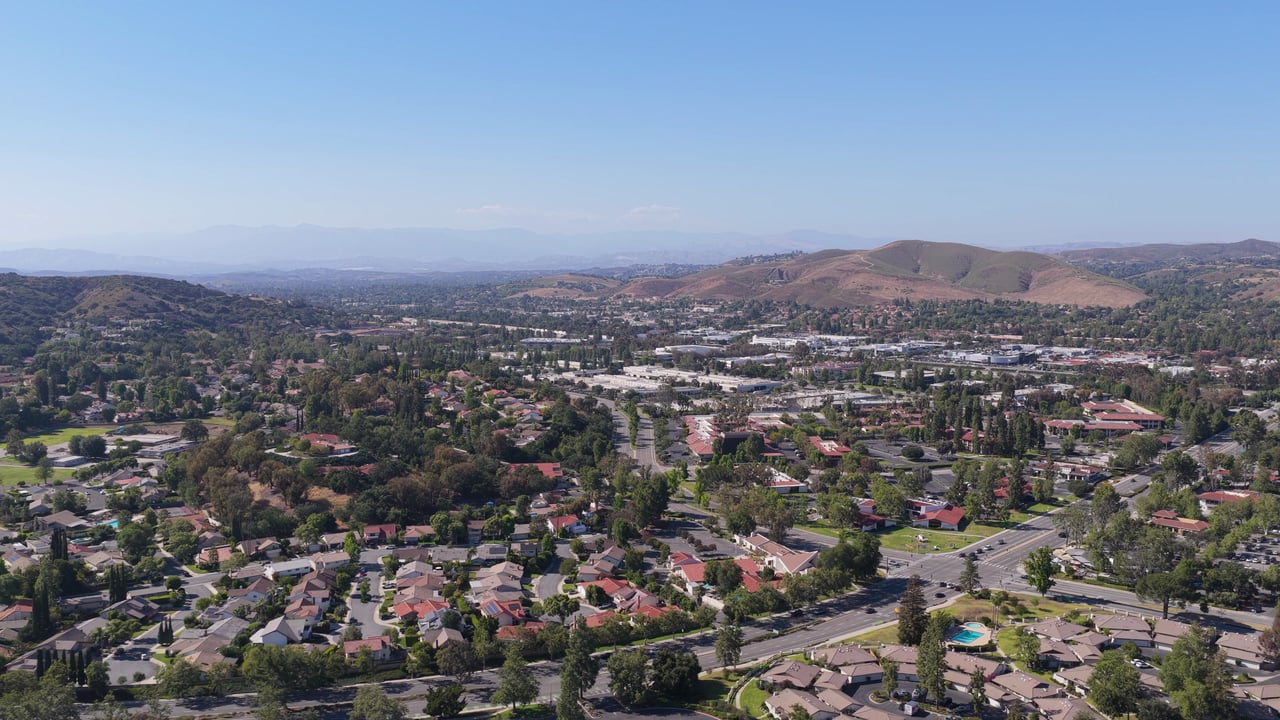
Two things are true in the Valley right now, and they explain each other.
First, there are a lot more homes for sale. Los Angeles County had roughly 26% more listings this August than the same month last year, and close to 40% of active California listings have cut their asking price at least once. Buyers have choices again for the first time in a while.
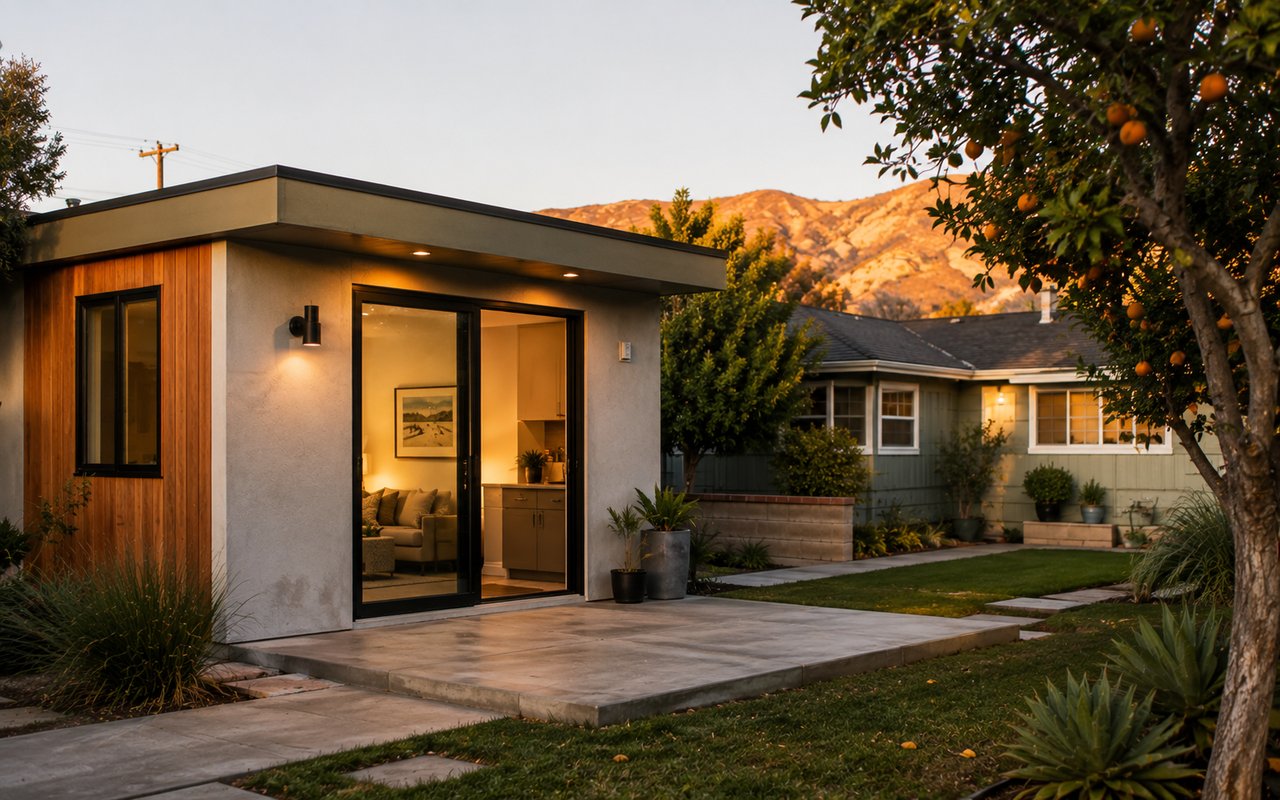
Second, a large group of homeowners who would normally be part of that inventory is not selling. They are staying put and building. If you locked a 3% mortgage in 2021 and today's going rate sits near 6.8%, moving costs you something that has nothing to do with your home's value. So instead of listing, people are converting garages, adding square footage, and putting up ADUs.
California spent the last year making that second path significantly easier. Most Valley homeowners have not caught up.
What actually changed
Four ADU bills passed in 2025. Three took effect January 1, 2026. The short version:
- Lot size no longer gates you. Cities cannot impose a minimum lot size for ADU approval on residentially zoned property. That matters on the tighter lots in Van Nuys and Canoga Park where the old answer was "you don't have room."
- Parking is mostly gone. If you're within a half mile of transit, in a historic district, or the ADU occupant can't get a street permit, the parking requirement is waived. That covers most of the Valley.
- Owner-occupancy is off the table for standard ADUs. You don't have to live on the property to build one and rent it out. AB 1154 also loosened owner-occupancy rules on junior ADUs.
- Cities can't quietly add their own rules. Local ADU ordinances now have to be consistent with state law, and an ordinance that isn't properly submitted to the state can be null and void. In practice, most new ADUs in Los Angeles get permitted under the state pathway because it's more permissive than local code on height, setbacks, and parking.
- Timelines got real. LADBS is now processing many ADU applications in 21 to 60 days, and faster still on pre-approved standard plans.
If you priced an ADU in 2023 and walked away, the rules you walked away from are not the rules today.
The part builders don't lead with
Here's where I'd rather be the friend than the salesman.
You will read that an ADU adds 20% to 35% to your property value. Sometimes it does. But when the appraiser shows up on a Valley resale, the number that tends to come back is 60% to 75% of what you actually spent building it. A $280,000 detached unit usually appraises as $170,000 to $210,000 of added value.
That's a real gain. It is also not the number in the brochure, and the gap matters a lot if you're borrowing to build.
Run the actual math before you sign anything:
- A garage conversion generally runs $100,000 to $120,000. Detached new construction runs $180,000 to $400,000 depending on size, finishes, and site conditions.
- Valley ADU rents land roughly $2,000 to $3,200 a month for a 600 to 800 square foot one-bedroom in Woodland Hills, West Hills, Encino, Sherman Oaks, and Tarzana. Less in other pockets, and worth checking against the broader cost of living picture in the Valley.
- Cash flow is usually the stronger argument than appraised value. If the rent covers the construction debt and then some, you win on the hold, not on the sale.
- If you're going to rent it, know the rules you're signing up for. Start with the 2026 rent and housing law changes every LA landlord should know.
The homeowners who do best with ADUs are the ones planning to stay five or more years. The ones who end up disappointed built expecting to flip the construction cost into a sale price twelve months later.
Three things that quietly kill resale value
I see the same three problems on Valley listings with ADUs.
No permits. An unpermitted conversion doesn't appraise, doesn't finance cleanly, and hands every buyer's agent a reason to renegotiate. The money you saved never survives the transaction.
No certificate of occupancy. Permits pulled and never finaled are worse than never starting, because now there's an open record. Close the loop.
The wrong unit for the lot. A 1,200-square-foot ADU that swallows the entire backyard on a family street can shrink your buyer pool instead of widening it. Design for the next owner, not just for the rent roll.
If you already have an ADU and you're not sure where any of that stands, that's a twenty-minute conversation, not a project.
What I'd do if this is you
If you're weighing "sell now into more inventory" against "stay and build," the honest answer depends on three things: your current rate, your timeline, and your lot. Change any one of them and the recommendation flips.
I'd rather tell you not to build than watch you spend $300,000 chasing a number that doesn't exist.
Send me your address and your rough plan. I'll tell you what your lot actually supports, what it's likely to appraise for, and whether selling into this fall's market beats building on what you already own—no pitch attached.