Sherman Oaks is one of the San Fernando Valley's most established and desirable neighborhoods, anchored by the Ventura Boulevard corridor and the prestigious hillside streets south of the boulevard. Buyers come here for a rare combination: Westside access through the Sepulveda Pass, strong schools, walkable dining and shopping, and single-family homes that generally run from about $1.1 million on the flatter streets to $2.2 million and well beyond for larger or hillside homes south of the boulevard, with the average around $1.6 million. If you want a central Valley address with long-term value and an easy reach to both the Westside and the rest of LA, Sherman Oaks is built for it.
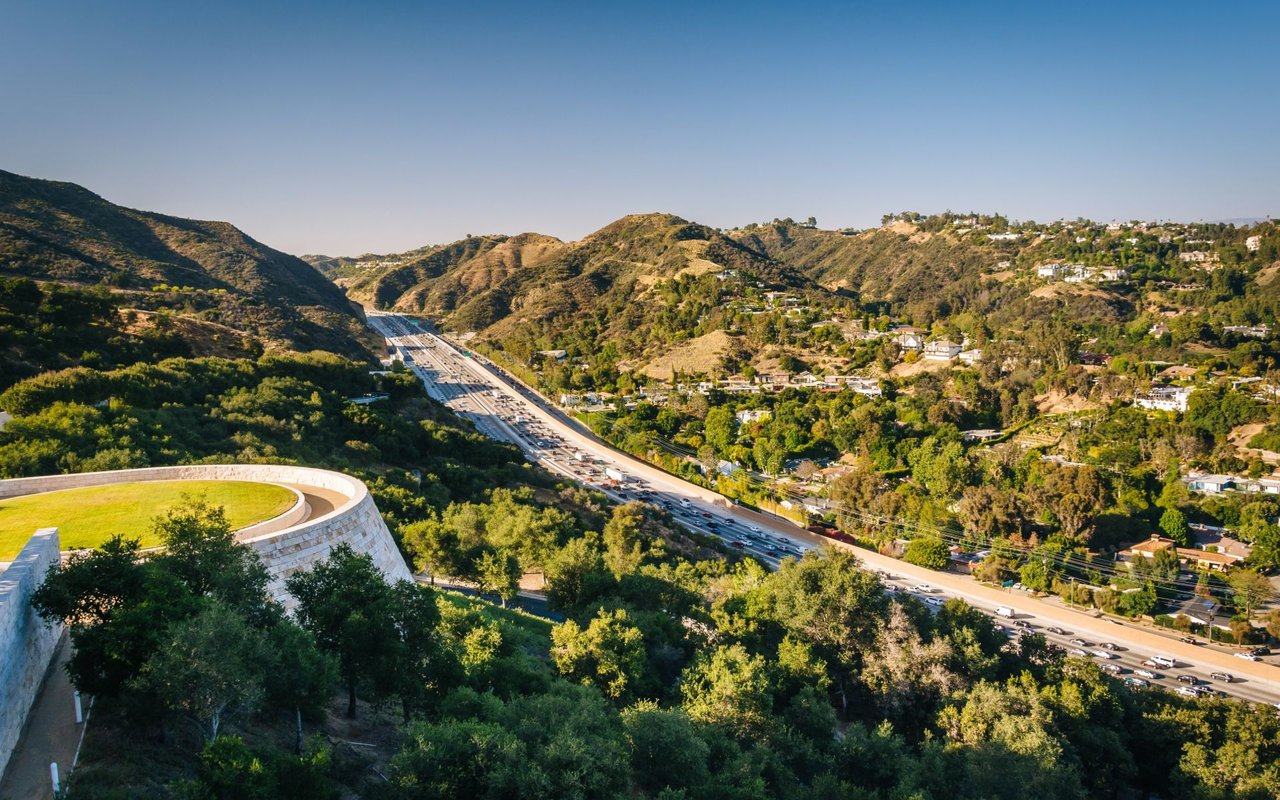
Sherman Oaks sits at the geographic and lifestyle center of the southern San Fernando Valley, and that location is the whole story. Tucked against the Santa Monica Mountains, it gives residents a direct line over the hill to Beverly Hills, Bel Air, and the Westside through the Sepulveda Pass, while keeping the space, value, and community feel that draw people to the Valley in the first place.
It is a neighborhood with two distinct personalities that live side by side. South of Ventura Boulevard, winding streets climb into the hills with larger lots, mature trees, and a quiet, leafy prestige. North of the boulevard, the grid flattens into walkable residential blocks, mid-century homes, condos, and the everyday rhythm of Valley life. Running between them is Ventura Boulevard itself, one of the longest commercial corridors in Los Angeles and the social spine of the neighborhood, lined with restaurants, boutiques, medical offices, and the shopping that makes Sherman Oaks a destination, not just a place to live.
I run Clear Way Real Estate from an office on Ventura Boulevard in the heart of Sherman Oaks, so this is not a neighborhood I study from a distance. It is where I work every day, and that ground-level familiarity is exactly what helps buyers and sellers read the difference between one pocket and the next.
Sherman Oaks was developed in the 1920s and named for Moses Sherman, an early Los Angeles transit and land figure, and it has spent the century since maturing into one of the Valley's blue-chip addresses. The housing stock reflects that long arc. You will find Spanish and traditional homes from the original build-out, a deep bench of mid-century ranch houses, gated contemporary rebuilds in the hills, and newer condominium and townhome developments along and just off the boulevard.
The neighborhood spans two primary ZIP codes. 91403 covers the central and southern core, including most of the coveted south-of-the-boulevard hillside streets. 91423 covers the eastern side toward the Studio City line and carries its own mix of hillside and flatland homes. A northern slice runs into 91401 toward the Valley floor, where pricing tends to soften and condos become more common. Knowing which ZIP and which side of Ventura a home sits on is the single biggest driver of price and feel in Sherman Oaks, and it is the first thing I help buyers map out.
Sherman Oaks real estate rewards specificity. A three-bedroom on a flat street north of the boulevard and a three-bedroom on a hillside lot south of it can carry dramatically different price tags despite sharing a ZIP code, because buyers here are paying for elevation, lot size, views, privacy, and school zoning as much as square footage.
At the entry end, condos and townhomes give buyers a foothold in a premium ZIP, often in the high six figures depending on size, building, and proximity to the boulevard. Single-family homes on the Valley floor and north-of-boulevard streets generally open around $1.1 million. South of the boulevard, where lots grow and views appear, pricing climbs steadily, and the hillside estate market reaches $2.2 million and well beyond. Inventory tends to run tight, days on market for well-priced homes in desirable pockets are often short, and competition for move-in-ready properties south of Ventura can be intense.
For sellers, that scarcity is leverage when a home is positioned and presented correctly. For buyers, it means readiness matters: financing in order, a clear pocket strategy, and an agent who can move quickly when the right listing appears.
As of May 2026, the Sherman Oaks median sold price was about $1.85 million and the median estimated home value about $1.41 million, at roughly $750 to $780 per square foot. Homes sold in a median of about 27 days at 99.6% of list price, and with 4.43 months of inventory the area remains a seller's market. Single-family rents commonly run $3,500 to $6,000 or more. For a deeper monthly breakdown of pricing, inventory, and days on market, see my Sherman Oaks real estate market report.
Sherman Oaks is best understood through its pockets, and the dividing line that matters most is Ventura Boulevard.
South of the Boulevard. This is the prestige tier of Sherman Oaks. The streets climb from Ventura toward Mulholland Drive, lots get larger, tree canopies thicken, and many homes capture Valley or canyon views. Pockets along Longridge, Kester Ridge, and the hillside grid off Coldwater Canyon and Beverly Glen carry some of the neighborhood's highest values and its strongest school zoning. Buyers here are often choosing Sherman Oaks specifically as a more attainable alternative to going over the hill into Bel Air or Beverly Hills.
North of the Boulevard. The flatter streets north of Ventura offer the neighborhood's best value and a more classic Valley feel. This is where many families find their first Sherman Oaks single-family home, where mid-century character is strong, and where walkability to the boulevard is highest. As you move further north toward Magnolia and the 91401 edge, condos and multi-family product increase and pricing becomes more accessible.
The Studio City edge (91423). Eastern Sherman Oaks blends into Studio City and shares some of its energy: a slightly more entertainment-industry crowd, quick access to the east-end boulevard scene, and proximity to Fryman Canyon hiking.
Because the right pocket depends entirely on your priorities, views, schools, walkability, or value, I walk every buyer through a pocket-by-pocket comparison before we ever tour a home.
Ventura Boulevard through Sherman Oaks is one of the densest and most respected dining corridors in the Valley, and it is a genuine reason people choose the neighborhood. You can eat your way across cuisines without leaving a one-mile stretch.
The corridor is known for longstanding local institutions and a steady wave of newer arrivals. Established favorites include spots like Casa Vega, Mistral, The Bellwether, Augustine Wine Bar, and Boneyard Bistro, with casual standouts like Blu Jam Cafe, Petit Trois Le Valley, Sweet Butter Kitchen, and Roberta's Pizza, alongside the taquerias, sushi bars, and gastropubs that keep refreshing the scene. The stretch near the Sherman Oaks Galleria and the Fashion Square has grown into a particularly strong cluster of sit-down dining.
The takeaway for buyers is simple: in Sherman Oaks, dinner out is a walk or a short drive, not a planned expedition, and that everyday convenience is part of what holds property values up.
For a neighborhood defined by a commercial boulevard, Sherman Oaks has real outdoor range. Sherman Oaks Castle Park on Sepulveda Boulevard is a family institution, with miniature golf, batting cages, and an arcade that has entertained Valley kids for generations. The Van Nuys Sherman Oaks Park and Recreation Center off Magnolia offers fields, courts, a pool, and green space close to the residential core.
The neighborhood's southern hills open straight into the Santa Monica Mountains. Fryman Canyon and the connected Wilacre Park trails sit along the Studio City and Sherman Oaks edge and give residents a genuine hiking loop minutes from the boulevard. Coldwater Canyon Park, home to the TreePeople headquarters near Mulholland, adds more trails and canyon access. A short drive north reaches the wide-open Sepulveda Basin Recreation Area with its lake, bike paths, and sports fields.
That mix, a family park, a rec center, and real mountain trails, is part of why Sherman Oaks reads as livable rather than purely commercial.
Sherman Oaks is a shopping anchor for the whole southern Valley. Westfield Fashion Square is the neighborhood's enclosed mall, anchored by major department stores and a deep roster of retail and food. The Sherman Oaks Galleria, once a 1980s mall icon, was reinvented years ago into an open-air complex of offices, restaurants, a gym, and entertainment, and it remains a central gathering spot at the 101 and Sepulveda junction.
Beyond the malls, Ventura Boulevard delivers the day-to-day: grocery options anchored by Erewhon Market along with other major markets on the boulevard, pharmacies, fitness studios, salons, medical and dental offices, and a long run of independent boutiques and specialty shops. Few Valley neighborhoods let residents handle this much of life within their own borders, and that self-contained convenience is a core part of the Sherman Oaks value proposition.
Location is Sherman Oaks's defining advantage. The neighborhood sits at the meeting point of two major freeways, the 101 (Ventura Freeway) running east to west and the 405 (San Diego Freeway) running north to south, with their interchange at the neighborhood's western edge. That puts the entire region within reach: the 405 climbs south through the Sepulveda Pass to the Westside, UCLA, Century City, and LAX, while the 101 connects east toward Hollywood and downtown and west across the Valley.
For everyday Westside access, Sherman Oaks is one of the best-positioned addresses in the Valley, which is exactly why it commands the values it does. Surface routes like Coldwater Canyon and Beverly Glen offer additional paths over the hill when the freeways are heavy. Metro's G Line busway runs along the northern Valley and connects to the broader transit network, and the long-planned Sepulveda Transit Corridor, covered below, could eventually add a major rail link straight through this part of the Valley.
A realistic commute from Sherman Oaks to downtown Los Angeles runs roughly 25 minutes in light traffic and 45 to 60 minutes at peak. To the Westside through the pass, plan for 20 to 40 minutes depending on the hour.
Schools are a primary reason families plant roots in Sherman Oaks and a real driver of demand south of the boulevard. The neighborhood is served by the Los Angeles Unified School District and includes well-regarded public campuses such as Kester Avenue Elementary, Dixie Canyon Community Charter, and the Sherman Oaks Elementary Charter School. Millikan Middle School, an affiliated charter with a strong STEM and performing arts magnet, is one of the most sought-after public options in the area.
Sherman Oaks also has a deep bench of private and parochial schools. Notre Dame High School is a long-established Catholic secondary school with a strong local reputation, and The Buckley School off Coldwater Canyon is among the most prestigious independent schools in the city. Several other elite independents sit just over the neighborhood line in Studio City, expanding the options for families willing to commute a few minutes.
Beyond schools, the family appeal is concrete: parks and a rec center, the Castle Park tradition, quiet residential streets, and an everyday infrastructure of pediatric offices, kids' activities, and family dining along the boulevard. If you are weighing Valley options for a growing family, my guide to the best San Fernando Valley neighborhoods for families puts Sherman Oaks in context.
Sherman Oaks is a mature neighborhood, so change here is evolutionary rather than dramatic, but a few forces are worth watching.
The largest is the Sepulveda Transit Corridor, a major Metro initiative to connect the San Fernando Valley to the Westside through the Sepulveda Pass. In January 2026 the Metro Board approved Modified Alternative 5 as the project's preferred option: a roughly 13-mile, fully underground heavy-rail subway running from the Van Nuys Metrolink Station to the Expo/Sepulveda E Line station on the Westside. Stations are planned along the way, including one at Ventura Boulevard in Sherman Oaks, plus connections to the Metro G Line at Van Nuys Boulevard, UCLA, and the D Line on Wilshire. Cost estimates run roughly $20 to $25 billion, funded in part by Measure M with additional federal, state, and private sources still to be secured, and the project is now in environmental review with passenger service projected for the early-to-mid 2030s. A planned station on Ventura Boulevard would put rapid transit within reach of Sherman Oaks, the kind of access that tends to support long-term values near an alignment. Learn more on Metro's official Sepulveda Transit Corridor page.
Along Ventura Boulevard, the steady pattern is mixed-use and residential infill, with older commercial parcels giving way to apartments, condos, and updated retail. Hillside lots south of the boulevard continue to see teardown-and-rebuild activity as buyers replace dated homes with contemporary construction. None of this changes the fundamental character of Sherman Oaks, but it does keep modern inventory trickling into a neighborhood that buyers consistently want more of.
Sherman Oaks has the profile long-term investors and homeowners look for: durable demand, constrained supply, premium location, and a self-reinforcing set of amenities. The neighborhood's Westside adjacency means it captures spillover demand from buyers priced out of the other side of the hill, while its schools, walkable boulevard, and central freeway access keep resale demand broad and steady.
South-of-the-boulevard hillside property carries the strongest appreciation profile and the highest barrier to entry, behaving in some ways like an extension of the Westside luxury market. North-of-the-boulevard homes and condos offer a more accessible entry point with reliable demand from first-time Valley buyers and those who want the Sherman Oaks address without the hillside premium. Across both tiers, low inventory has historically supported values and rewarded well-prepared buyers and well-positioned sellers.
As with any market, conditions shift with rates and the broader economy, so the smartest move is a strategy built on current data and your own timeline rather than headlines. That is the conversation I have with every client before we make a move.
Is Sherman Oaks a safe neighborhood?
Sherman Oaks is generally regarded as one of the more comfortable and stable neighborhoods in the San Fernando Valley, with a strong residential character and active community presence, particularly in the hillside areas south of Ventura Boulevard. As in any part of Los Angeles, conditions vary block by block and tend toward property-related issues near the busy commercial corridor rather than the residential interior. I am always glad to walk through specific streets and pockets with buyers so you can make a fully informed decision.
Is Sherman Oaks worth living in?
For many buyers, yes. Sherman Oaks offers a rare combination of central location, Westside access through the Sepulveda Pass, strong schools, walkable dining and shopping, and homes that range from entry-level condos to hillside estates. You pay a premium for that package compared to outlying Valley neighborhoods, but the trade is convenience, amenities, and long-term value that have held up well over time.
What is the difference between Sherman Oaks and Studio City?
The two neighborhoods sit side by side along Ventura Boulevard and share an upscale, walkable feel, but they have different personalities. Studio City leans more toward an entertainment-industry crowd and a compact, village-like boulevard scene, while Sherman Oaks is larger, more residential, and more of a shopping and family hub, anchored by the Fashion Square and Galleria. Eastern Sherman Oaks in 91423 blends into Studio City and can feel like a bridge between the two. Pricing in both is strong, and the right choice usually comes down to lifestyle and specific pocket rather than one being clearly better.
Is Sherman Oaks good for families with kids?
Very much so. Families are drawn by the public and private school options, including Millikan Middle School's magnet program and well-known private campuses like Notre Dame and Buckley, along with parks, the Sherman Oaks Castle Park tradition, a community rec center, and an everyday infrastructure of kid-friendly dining and activities. The quieter residential streets, especially south of the boulevard, are a major draw for families putting down long-term roots.
How long does it take to commute from Sherman Oaks to downtown Los Angeles?
A typical drive from Sherman Oaks to downtown Los Angeles runs about 25 minutes in light traffic and 45 to 60 minutes during peak commute hours, primarily via the 101 Freeway. The neighborhood's position at the 101 and 405 interchange also makes the Westside, Hollywood, and the broader region unusually accessible for a Valley address.
Which Sherman Oaks ZIP code should I focus on?
It depends on your priorities. 91403 covers the central and southern core, including most of the prestigious south-of-the-boulevard hillside streets and the highest values. 91423 covers the eastern side toward Studio City with its own mix of hillside and flatland homes. The northern edge running into 91401 offers more condos and the neighborhood's most accessible pricing. Choosing the right ZIP and the right side of Ventura Boulevard is the first thing I help buyers sort out.
Sherman Oaks sits among several of the Valley's most desirable areas. If you are weighing your options, compare it with neighboring Encino, Studio City, and Van Nuys.
I am Justin Bonney, broker and owner of Clear Way Real Estate, and my office sits right on Ventura Boulevard in the center of Sherman Oaks. With 15+ years guiding buyers and sellers across the San Fernando Valley, I know how much a single block, elevation, or school zone can move value in this neighborhood, and I bring that pocket-level read to every client.
Whether you are buying your first Sherman Oaks condo, moving up into the hills south of the boulevard, or preparing to sell and want a strategy built around the neighborhood's real demand, I would welcome the conversation.
Call or text me at (818) 697-4884, or email [email protected]. Clear Way Real Estate, 15233 Ventura Blvd, Suite 500, Sherman Oaks. DRE #01338897.
Justin Bonney is a licensed California real estate broker and the owner of Clear Way Real Estate, based in Sherman Oaks and serving the greater San Fernando Valley and Los Angeles.
58,102 people live in Sherman Oaks, where the median age is 40.7 and the average individual income is $84,032. Data provided by the U.S. Census Bureau.
Total Population
Median Age
Population Density Population Density This is the number of people per square mile in a neighborhood.
Average individual Income
There's plenty to do around Sherman Oaks, including shopping, dining, nightlife, parks, and more. Data provided by Walk Score and Yelp.
Explore popular things to do in the area, including American Rubble, Flavour, and Capital Safety Systems.
| Name | Category | Distance | Reviews |
Ratings by
Yelp
|
|---|---|---|---|---|
| Shopping | 0.2 miles | 0 reviews | 0/5 stars | |
| Shopping | 0.41 miles | 0 reviews | 0/5 stars | |
| Shopping | 0.45 miles | 0 reviews | 0/5 stars | |
| Shopping | 0.5 miles | 0 reviews | 0/5 stars | |
| Shopping | 0.55 miles | 0 reviews | 0/5 stars | |
| Active | 0.18 miles | 1 review | 5/5 stars | |
| Active | 0.47 miles | 3 reviews | 2/5 stars | |
| Beauty | 0.18 miles | 0 reviews | 0/5 stars | |
| Beauty | 0.28 miles | 0 reviews | 0/5 stars | |
| Beauty | 0.32 miles | 1 review | 5/5 stars | |
| Beauty | 0.34 miles | 14 reviews | 5/5 stars | |
| Beauty | 0.35 miles | 3 reviews | 5/5 stars | |
| Beauty | 0.35 miles | 0 reviews | 0/5 stars | |
| Beauty | 0.36 miles | 3 reviews | 5/5 stars | |
| Beauty | 0.38 miles | 0 reviews | 0/5 stars | |
| Beauty | 0.41 miles | 1 review | 5/5 stars | |
| Beauty | 0.44 miles | 0 reviews | 0/5 stars | |
| Beauty | 0.44 miles | 2 reviews | 5/5 stars | |
| Beauty | 0.49 miles | 1 review | 5/5 stars | |
| Beauty | 0.49 miles | 47 reviews | 4.6/5 stars | |
| Beauty | 0.49 miles | 0 reviews | 0/5 stars | |
| Beauty | 0.5 miles | 3 reviews | 5/5 stars | |
| Beauty | 0.58 miles | 6 reviews | 4.8/5 stars | |
|
|
||||
|
|
||||
|
|
||||
|
|
||||
|
|
||||
|
|
Sherman Oaks has 27,367 households, with an average household size of 4.24. Data provided by the U.S. Census Bureau. Here’s what the people living in Sherman Oaks do for work — and how long it takes them to get there. Data provided by the U.S. Census Bureau. 58,102 people call Sherman Oaks home. The population density is 7,621 and the largest age group is Data provided by the U.S. Census Bureau.
Total Population
Population Density Population Density This is the number of people per square mile in a neighborhood.
Median Age
Men vs Women
Population by Age Group
0-9 Years
10-17 Years
18-24 Years
25-64 Years
65-74 Years
75+ Years
Education Level
Total Households
Average Household Size
Average individual Income
Households with Children
With Children:
Without Children:
Marital Status
Blue vs White Collar Workers
Blue Collar:
White Collar: