Quick Answer
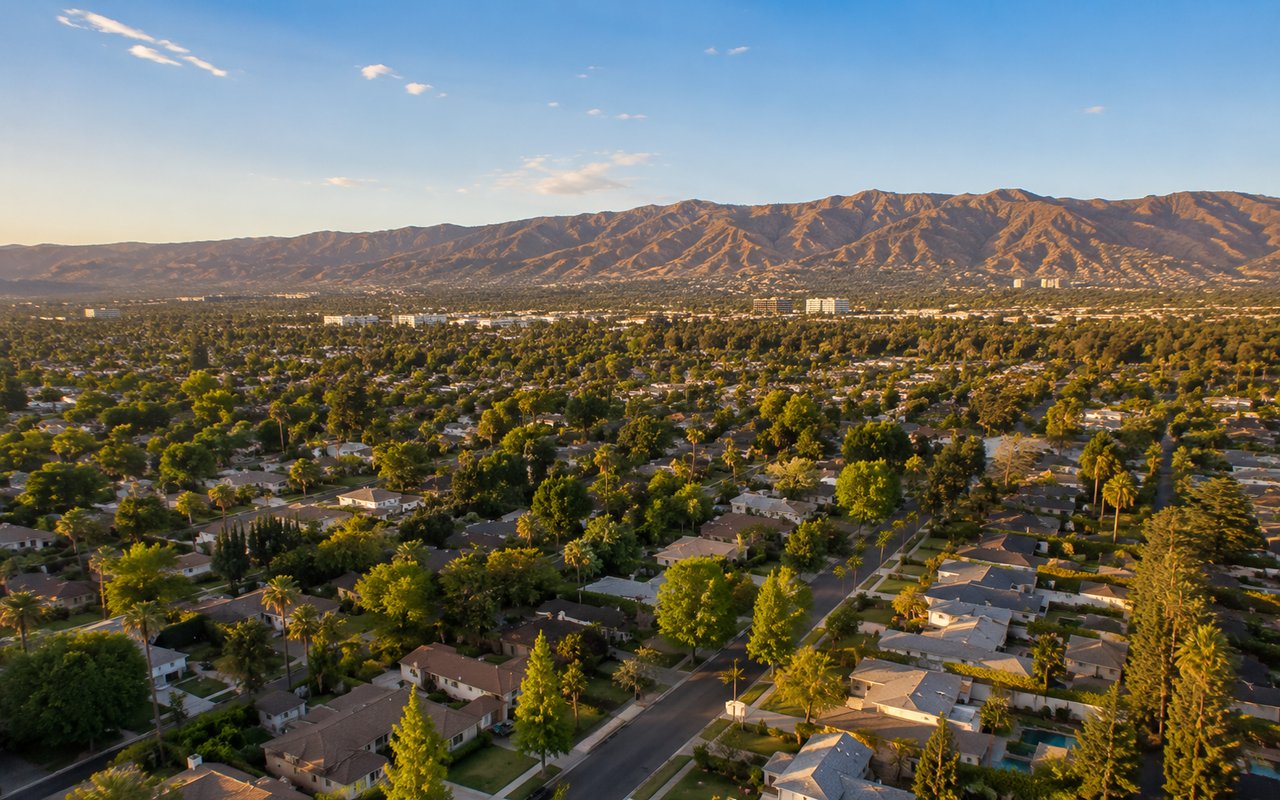
The San Fernando Valley is still one of the steadier places to own real estate in Los Angeles, mainly because buyer demand keeps outrunning the supply of homes. For anyone with a multi-year horizon, the Valley delivers more square footage per dollar than the Westside or the coast, along with reliable rental demand near studios, hospitals, and transit. It is not a quick-flip market, and 2026 borrowing costs deserve a hard look, but the underlying fundamentals for San Fernando Valley real estate remain sound. Here is an honest breakdown of what actually drives returns in this market right now.
Why the Valley Holds Its Value
The single biggest reason the San Fernando Valley housing market stays firm is scarcity. The Valley is largely built out; hillside and zoning constraints make new construction slow and expensive, and most neighborhoods simply cannot add inventory quickly. When supply is capped, and the region keeps drawing workers from entertainment, healthcare, aerospace, and small business, prices tend to hold even when the broader market cools.
Location helps too. The Valley sits inside commuting distance of some of the highest-paying job centers in the country, yet its home prices generally run below comparable Westside neighborhoods. That spread is what keeps move-up buyers and first-time owners circling San Fernando Valley neighborhoods year after year.
Where the Value Is, and Where It Isn't
Not every pocket of the Valley behaves the same way. Established, higher-priced areas like Encino, Sherman Oaks, and parts of Studio City tend to appreciate slowly and steadily, and they rarely see deep discounts. The stronger upside often sits in the middle of the market: Lake Balboa, Van Nuys, Northridge, and Canoga Park, where entry prices are lower and rental demand is deep. These are the areas where a well-chosen property can still pencil out.
The places to be cautious with are homes priced at the very top of a neighborhood's range, or properties that need heavy work in a rising-cost construction environment. Overpaying for the "nicest house on the block" is still the most common way investors lose money here.
The 2026 Cost-of-Money Reality
Financing is the part of the equation most investors underweight. With mortgage rates where they are in 2026, monthly carrying costs are meaningfully higher than they were a few years ago, and cap rates on many Valley rentals have compressed. That does not make the Valley a bad investment. It means the math has to be honest. A property that looked like easy cash flow in a lower-rate era may now be a modest-yield, long-hold appreciation play instead.
How to Actually Underwrite a Valley Purchase
Run real numbers before you fall in love with a listing. Pull recent rent comps for the specific street and unit type, not a citywide average. Factor in true costs: taxes, insurance, maintenance, and vacancy. Look hard at ADU potential, since California's accessory dwelling rules have made backyard units one of the more reliable ways to add income and value in the Valley. And be honest about your hold period. The owners who do best here treat San Fernando Valley real estate as a five-to-ten-year commitment, not a trade.
If you are weighing whether the Valley fits your goals, the right answer depends on your timeline, your financing, and the specific neighborhood. That is a conversation worth having before you write an offer.
Frequently Asked Questions
Is the San Fernando Valley a good place to invest in real estate in 2026?
For patient, multi-year owners, yes. Limited supply and steady demand support values, though higher financing costs mean you should underwrite for appreciation and modest yield rather than quick cash flow.
Which San Fernando Valley neighborhoods have the best investment upside?
Mid-market areas like Lake Balboa, Van Nuys, Northridge, and Canoga Park often offer the strongest balance of entry price and rental demand, while Encino and Sherman Oaks trade at a premium for slower, steadier appreciation.
Is it better to buy in the San Fernando Valley or on the Westside?
The Valley generally gives you more home for the money and comparable long-term stability, while the Westside commands higher prices and can appreciate faster in strong cycles. Your budget and hold period usually decide it.
Can you still cash flow a rental in the San Fernando Valley?
It is harder than it was a few years ago because of higher rates, but it is still possible, especially with an ADU or a property bought below the neighborhood's top of range. The numbers have to be run deal by deal.
Are ADUs worth it for San Fernando Valley investors?
Often yes. California's ADU rules make backyard or garage-conversion units one of the more dependable ways to add rental income and resale value on Valley lots, though permitting and construction costs should be verified up front.
What are the risks of buying in the San Fernando Valley right now?
The main risks are overpaying at the top of a neighborhood's price range, underestimating renovation costs, and assuming old-market cash flow at today's rates. Careful underwriting neutralizes most of them.
Let's Talk It Through
If you are trying to decide whether a San Fernando Valley purchase makes sense for your situation, I am happy to walk the numbers with you honestly, no pressure.