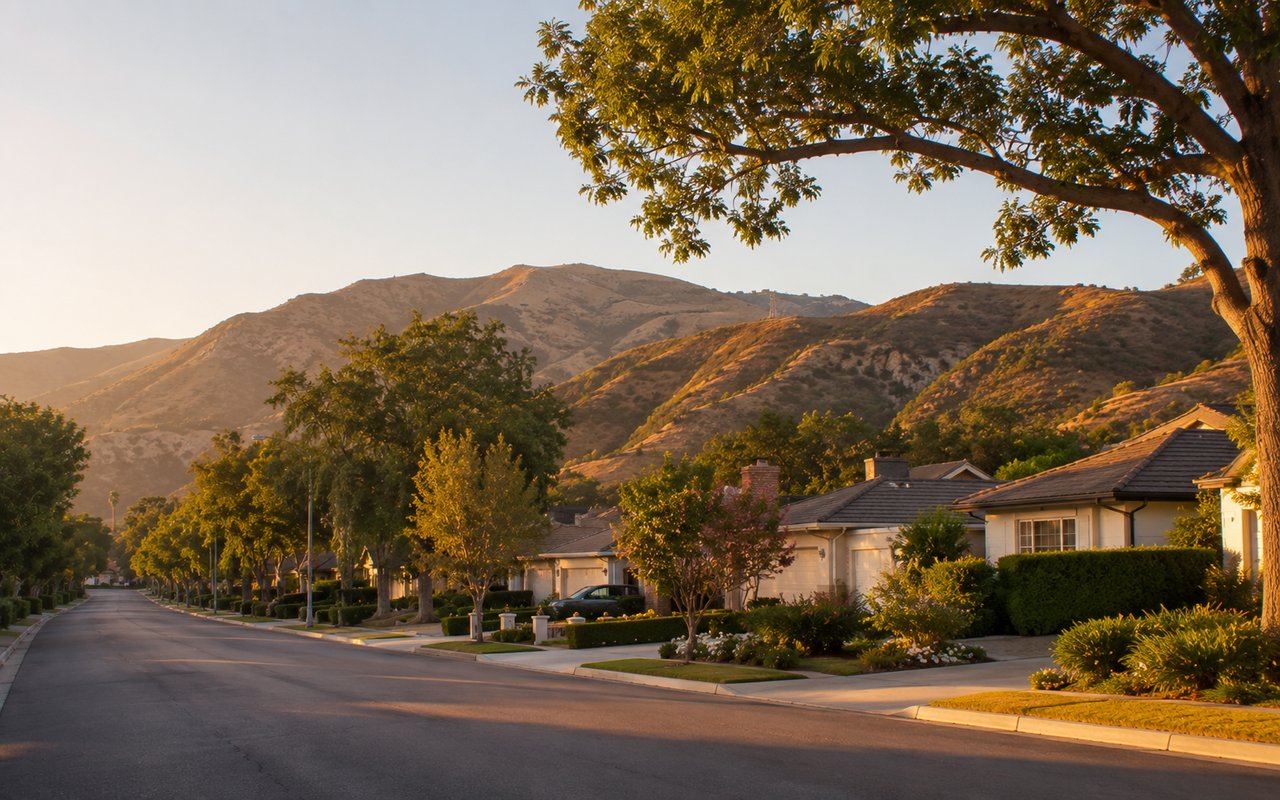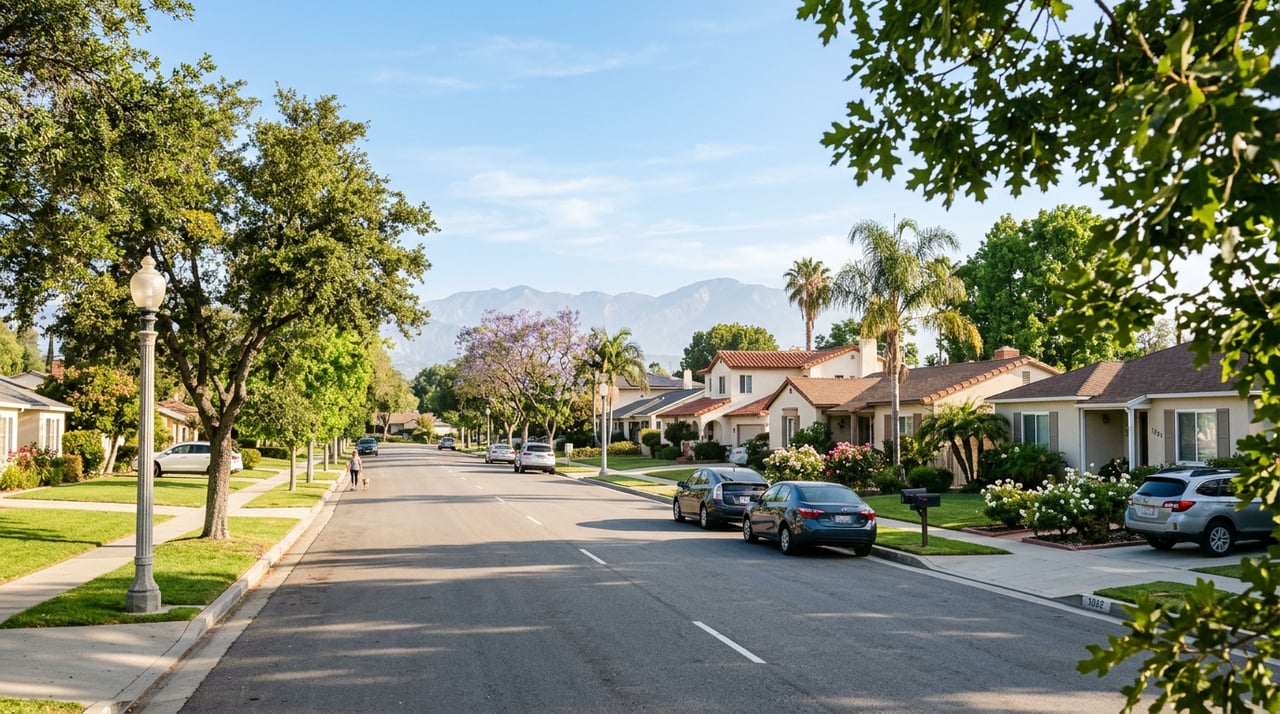
If you own a home in the San Fernando Valley, there is one date worth circling: October 15, 2026. That is when the California FAIR Plan, the state's insurer of last resort, raises its dwelling rates by an average of about 29 percent. Most headlines frame this as a wildfire-country problem. For a lot of Valley homeowners, that framing is exactly why they will get caught off guard.
Here is the part that does not make the front page. A recent Stanford analysis found California's insurance squeeze has spread well past the hillsides and canyons people picture when they hear "fire risk." Homeowners in moderate and low wildfire-risk ZIP codes, the kind covering much of Lake Balboa, Van Nuys, Reseda, and Valley Glen, are landing on the FAIR Plan at roughly twice the rate you would expect from its overall market share. You do not have to live in a fire zone to feel this.
What is actually changing
The FAIR Plan's new dwelling rate takes effect on all new and renewal policies starting October 15, 2026, with an overall increase of nearly 29 percent. It is not flat across the board. The bulk of the increase sits on the wildfire portion of the premium, so higher-risk properties absorb more, and some lower-risk owners may even see a decrease. The honest answer is that you will not know which bucket you are in until you look at your own renewal.
For context on how fast this has moved: average California homeowner premiums climbed 84 percent between late 2020 and early 2026, and the FAIR Plan now covers about 5 percent of the state's single-family homes, up from 1.5 percent in 2020. This is not a niche product anymore. It has quietly become a lot of people's only option.
Why Valley owners are more exposed than they think
When a standard carrier drops a ZIP code or stops writing new policies, owners get funneled to the FAIR Plan whether or not their specific street has ever seen a fire. That is how lower-risk Valley neighborhoods end up overrepresented. The FAIR Plan was designed as a temporary backstop. For too many homeowners, it has become a permanent and expensive home.
There is real movement on the policy side too. The proposed "Make It FAIR Act" (AB 1680) would push the FAIR Plan to offer more complete homeowners coverage, improve claims handling, and help people transition back to the regular market. That bill is still working through Sacramento, so it is a reason for cautious optimism, not a reason to wait.
What I would do between now and October
If you are on the FAIR Plan or your renewal is approaching, you have a few months of leverage. Use them.
- Shop the standard market first. Some carriers, including Mercury, are quietly re-entering parts of California as new pricing rules take effect. The FAIR Plan should be your floor, not your destination. A good independent agent earns their keep here.
- Stack every discount you qualify for. The FAIR Plan's updated wildfire-hardening program now offers up to 12 individual discounts on the wildfire portion of your premium. Owners who qualify for all of them can shave a meaningful chunk off that line item.
- Read what your policy actually covers. FAIR Plan dwelling policies often exclude water damage and liability coverage that standard homeowners policies include. A cheaper premium that leaves you exposed is not a bargain.
None of this is glamorous. It is a Saturday morning, and there are a few phone calls. But the owners who treat October as a deadline instead of a surprise are the ones who keep both their coverage and their options.
Why this matters if you are thinking about selling
Insurance is no longer a line item buyers ignore. When carrying costs rise, the monthly payment a buyer can stomach shrinks, and that pressure shows up in offers. A home with a clean, transferable, reasonably priced policy is simply easier to sell than one saddled with a high FAIR Plan premium and coverage gaps. If selling in the next year or two is even a maybe, getting your insurance house in order is part of getting your home sale-ready.
This is the kind of thing I would rather walk through with you over a phone call than have you discover at the closing table. If you want a straight, no-pressure read on how rising insurance costs affect what your Valley home is worth right now, reach out. Call or text (818) 697-4884 or email [email protected], and we will figure out where you stand.
Justin Bonney is a licensed California REALTOR® (DRE #01338897) and owner of Clear Way Real Estate in Sherman Oaks. This article is general information, not insurance or legal advice; confirm specifics with a licensed insurance professional.