On November 3, Californians vote on Proposition 37. If it passes, the state's Housing Finance Agency could borrow up to $25 billion and lend that money to homebuyers as down payment help, up to 17% of a home's purchase price.
Pair that with a standard mortgage, and a buyer brings 3% cash to the table instead of 20%. On an $800,000 home, that is roughly $24,000 out of pocket instead of $160,000.
I have had this conversation four times in the last two weeks, all some version of the same question: does this mean I can finally buy? Here is my honest read, including the part most of the coverage is skipping.
What Prop 37 actually does
The measure lets the California Housing Finance Agency sell up to $25 billion in revenue bonds and use the proceeds to offer eligible buyers a fixed-rate loan covering up to 17% of the purchase price. Note the word up to. That is a ceiling on what the agency could issue, not a promise of what it will.
Eligibility runs to households earning up to twice the area median income, which in Los Angeles is a wide net rather than a narrow one. You have to be a California resident, live in the home, and put at least 3% down yourself. There is no first-time buyer requirement, which surprises people. Current and former homeowners are not excluded.
Here is the mechanic that matters most and gets glossed over constantly: this is a second mortgage, not a grant. You repay it monthly, on top of your first mortgage. And the interest rate and term would be set after the election, not before it. You are being asked to approve a loan product whose price nobody can quote you yet.
On cost, the Legislative Analyst lists no direct state or local costs, because the bonds are repaid by borrowers rather than the general fund. That is the official finding and it is worth taking seriously. It is not the same as saying the program carries no risk to anyone. The exposure sits with the private bond investors who buy the debt, and second mortgages are riskier to hold because the first mortgage gets repaid first in a default. That risk premium is one reason the rate on this second loan could land above what you would pay on a conventional first.
The catch that matters in the Valley
Two words: newly constructed.
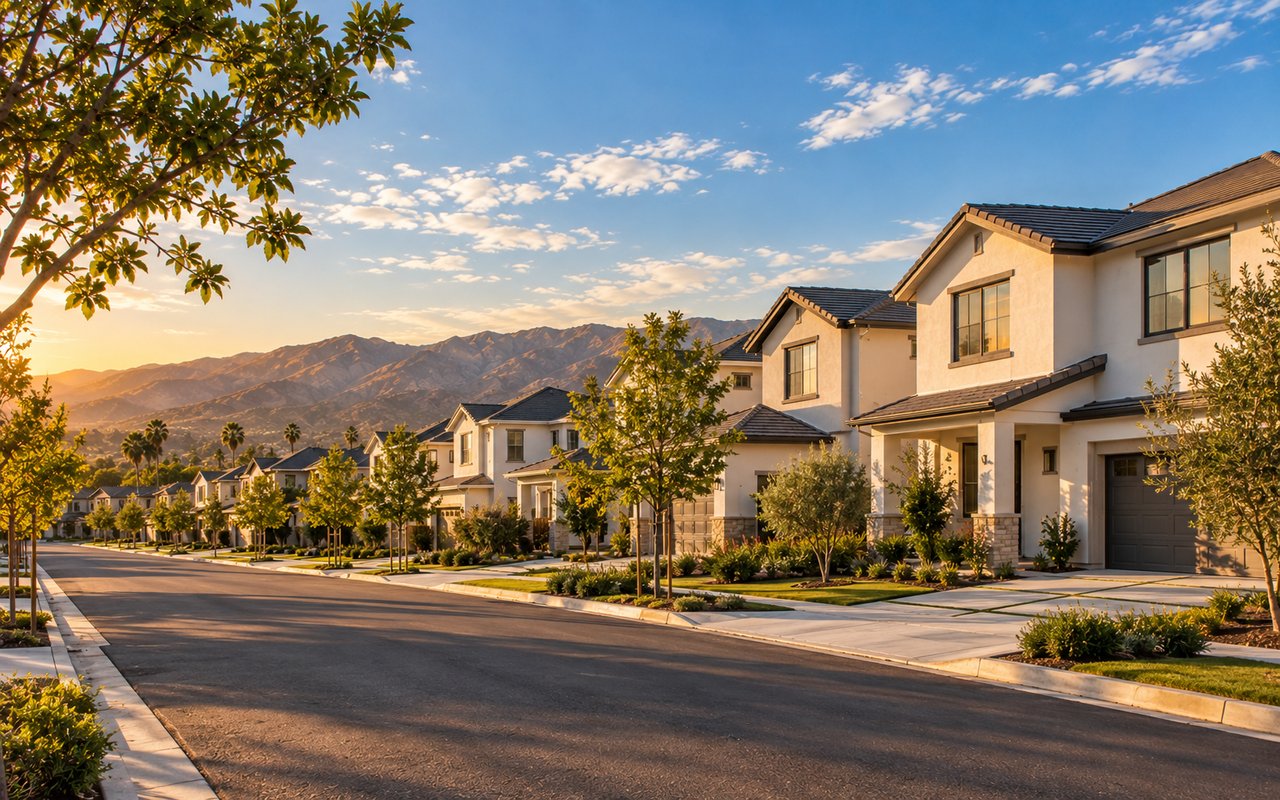
The measure covers newly built homes, plus new housing units converted from nonresidential buildings, and you have to be the first purchaser. Not resale. Not the 1958 ranch in Lake Balboa with the original kitchen. Not the Van Nuys three-bedroom that has been in the same family since the seventies.
There is also a price cap, and this is where the reporting has been sloppy. The official ballot summary says newly constructed homes priced below about $1.5 million. The actual ceiling varies by county and adjusts annually, and in much of the state it lands closer to $1 million. So treat $1.5 million as the top of a range, not as your number. Until the program is stood up, nobody can tell you exactly what the Los Angeles County figure will be.
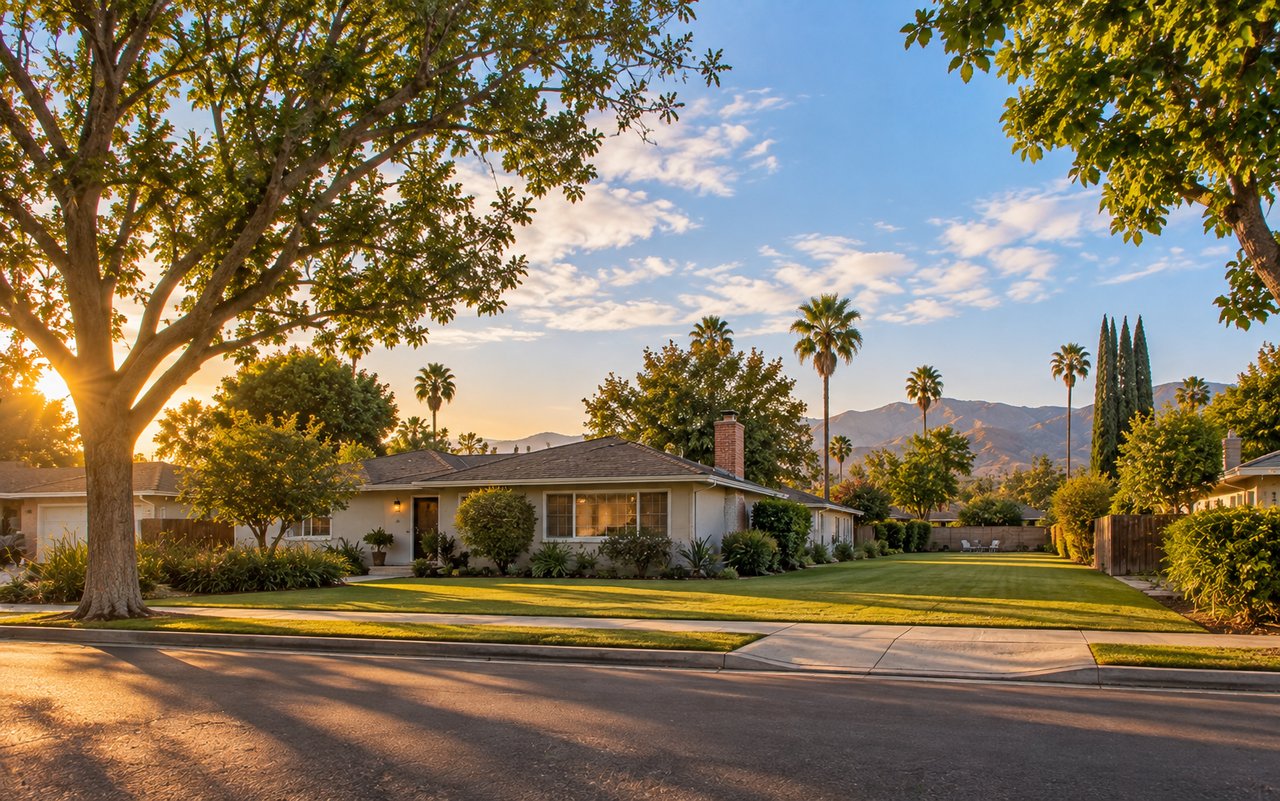
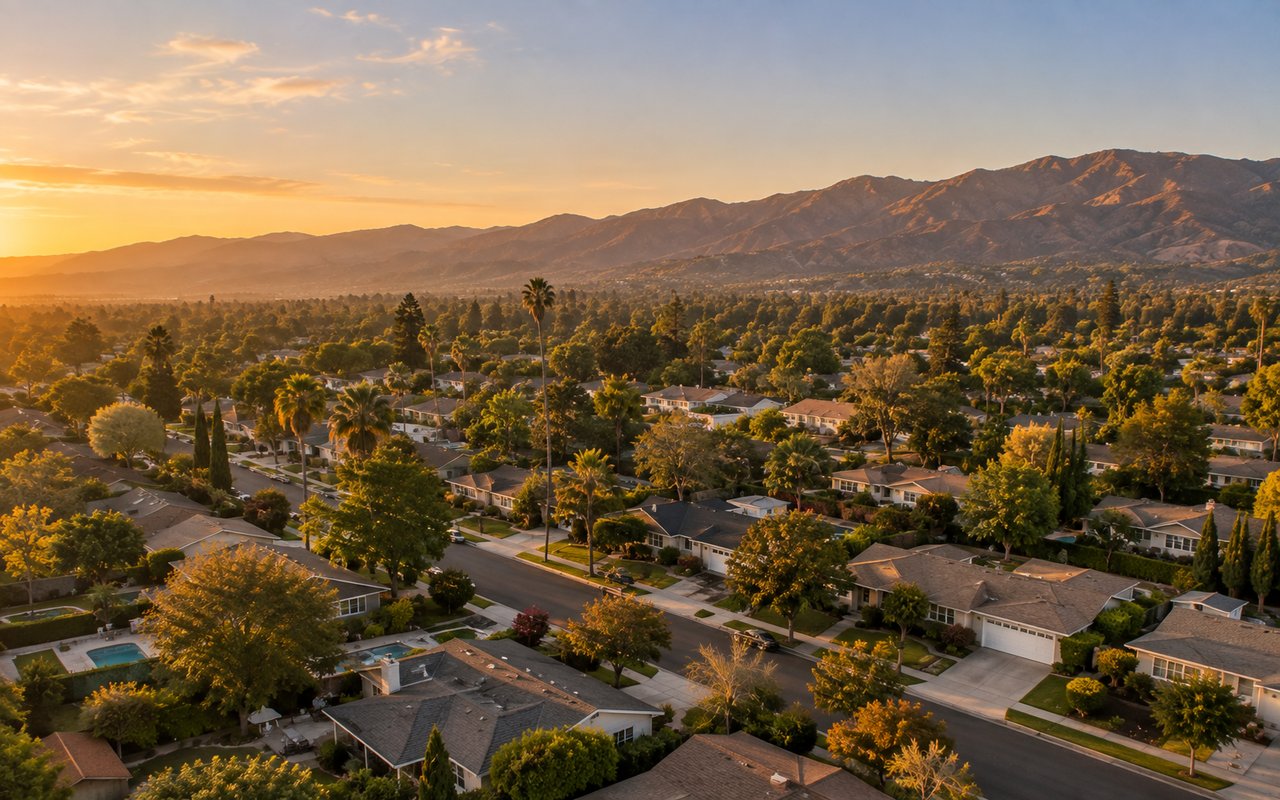
That is where the Valley math gets uncomfortable. The overwhelming majority of what trades in Lake Balboa, Van Nuys, Reseda, Canoga Park, and Winnetka is resale inventory. Our housing stock is mostly postwar. Prop 37 would do nothing for a buyer competing for those homes, which is to say it would do nothing for most Valley buyers.
Warner Center is the sharpest illustration. The Warner Center 2035 plan has driven genuine vertical development, and if you drive Canoga Avenue, you will see it. But a large share of those new towers are rental apartments, not for-sale condos. A crane near you is not the same thing as an eligible home near you. That distinction is going to trip people up, and it is worth confirming before you get attached to a building.
Where it could actually work
There are real pockets where this would matter.
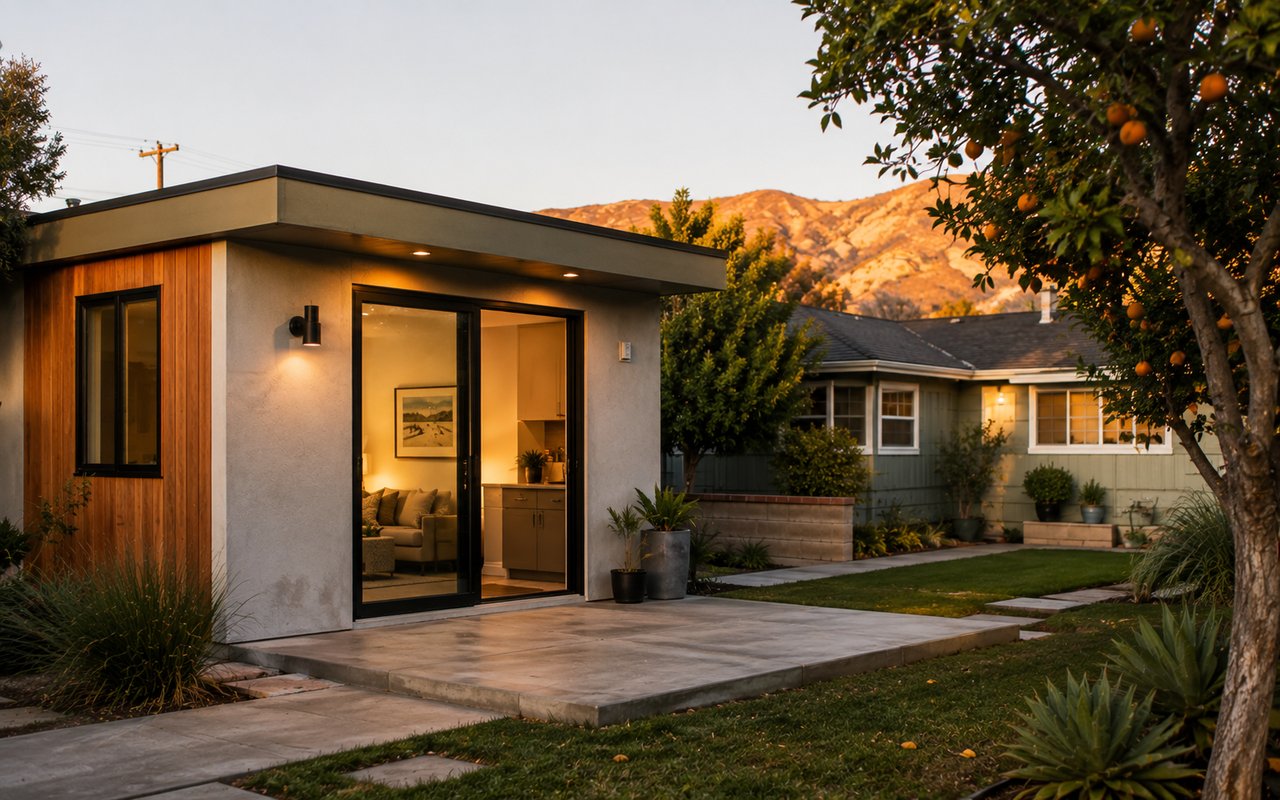
Newer tract construction in Porter Ranch is the most obvious one, though some of that product now prices above the threshold, so it would come down to the specific home. Infill construction in Northridge and Van Nuys is the other category to watch, along with newer small-lot subdivisions scattered across the West Valley. If you want a sense of what is actually going vertical in the area, I keep a running look at what is being built across the San Fernando Valley.
So the program is not useless here. It is just far narrower than the headline suggests, and it points buyers toward a specific and limited slice of inventory.
The argument against, because it deserves airtime
I am not going to pretend this is one-sided, though I should note that no argument against Prop 37 was submitted for the official voter guide. The opposition is organizational rather than on the ballot, and it comes mainly from the League of Women Voters of California and Reform California.
Their strongest points are worth sitting with.
The first is that this helps people buy only by letting them take on more total debt, at a rate and term that will not be known until after you have already voted. For a household already stretched, that is a real risk and not a small one.
The second is that it does nothing about why housing here costs what it does. Demand-side help in a supply-constrained market can push prices up, which partially eats the benefit. Reasonable people disagree about how much.
The third, which I think lands hardest, is that there is no first-time or first-generation buyer priority. A program pitched as opening the door for people locked out is available to plenty of people who already own.
On the other side, the California Association of Realtors and the California Democratic Party back it, along with the State Treasurer and the California Conference of Carpenters. The practical case is straightforward: for a lot of otherwise qualified buyers, the 20% down payment is the only thing standing between them and a house.
What I would do right now
Do not put your search on hold waiting for an election.
If Prop 37 passes on November 3, implementation is not instant. Programs like this take time to stand up, and the rules that matter to you will be written after the vote. Meanwhile, the market is doing what the market is doing, and the home you want is not waiting for Sacramento.
The better move is to know your actual numbers in both scenarios. If you are a first-time buyer, start with the fundamentals in my Valley first-time buyer guide, and if you are working under a hard ceiling, where Northridge, Lake Balboa and Reseda meet under $1M is still the most honest map of what your money buys out here.
Then decide based on your life, not a ballot measure.
The bigger point
Every election cycle brings a housing proposition that gets framed as the thing that finally fixes affordability. Most of them move the needle a little for a specific group of people, and the reporting rounds that up into something bigger.
My job is to tell you which group you are actually in. For most of the Valley buyers I work with, the answer on Prop 37 is that it probably will not apply to the house you end up buying. That is not a reason to vote against it. It is a reason not to build your plan around it.