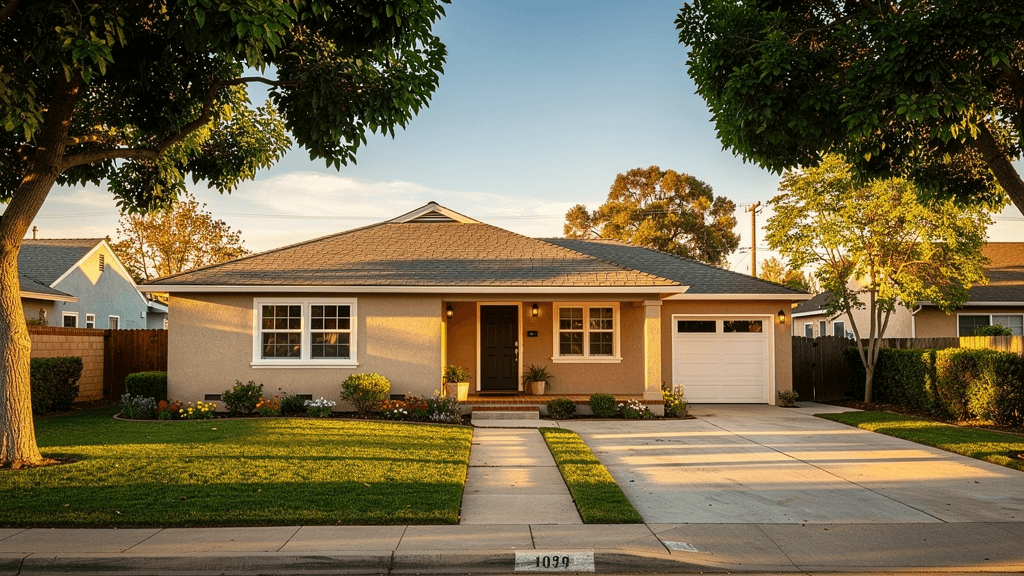
If you're a first-time buyer and you're seriously looking at Lake Balboa in 2026, you're thinking about this the right way. Lake Balboa is one of the better entry points into Los Angeles homeownership at the sub-$1 million level, and for a specific kind of first-time buyer (more on that later), the math genuinely works.
This guide walks through the reality of buying your first home in Lake Balboa, from how much you actually need saved, to the loan programs that matter for 91406 buyers, to what your budget realistically buys, to how to not get crushed by investors making cash offers on the same properties you're looking at.
I've worked with first-time buyers in this neighborhood for 20+ years. Before I was a full-time real estate broker, I spent years on the mortgage and banking side, so I know this from the financing angle as well as the agent angle. The combination matters because first-time buying is as much a financing problem as it is a home-search problem.
Is Lake Balboa Actually Right for First-Time Buyers?
The honest answer depends on what you're optimizing for.
Lake Balboa single-family homes in 2026 are mostly trading in the $850,000 to $1.2 million range for move-in-ready properties. Condos and townhomes are generally $450,000 to $650,000. The median single-family price puts you in the low seven figures, which is not pocket change, but compared to Sherman Oaks at $1.2 million to $1.5 million or Encino at $1.4 million to $2 million, Lake Balboa is noticeably more accessible.
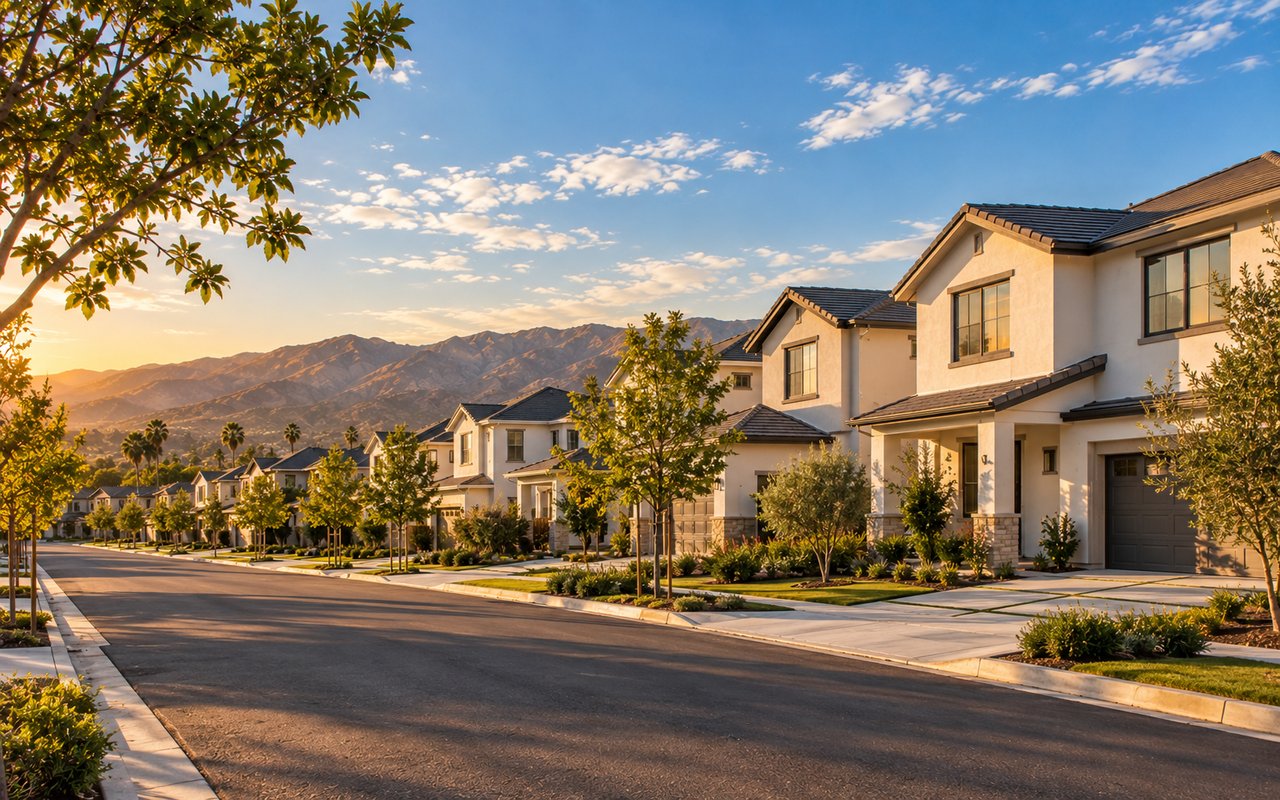
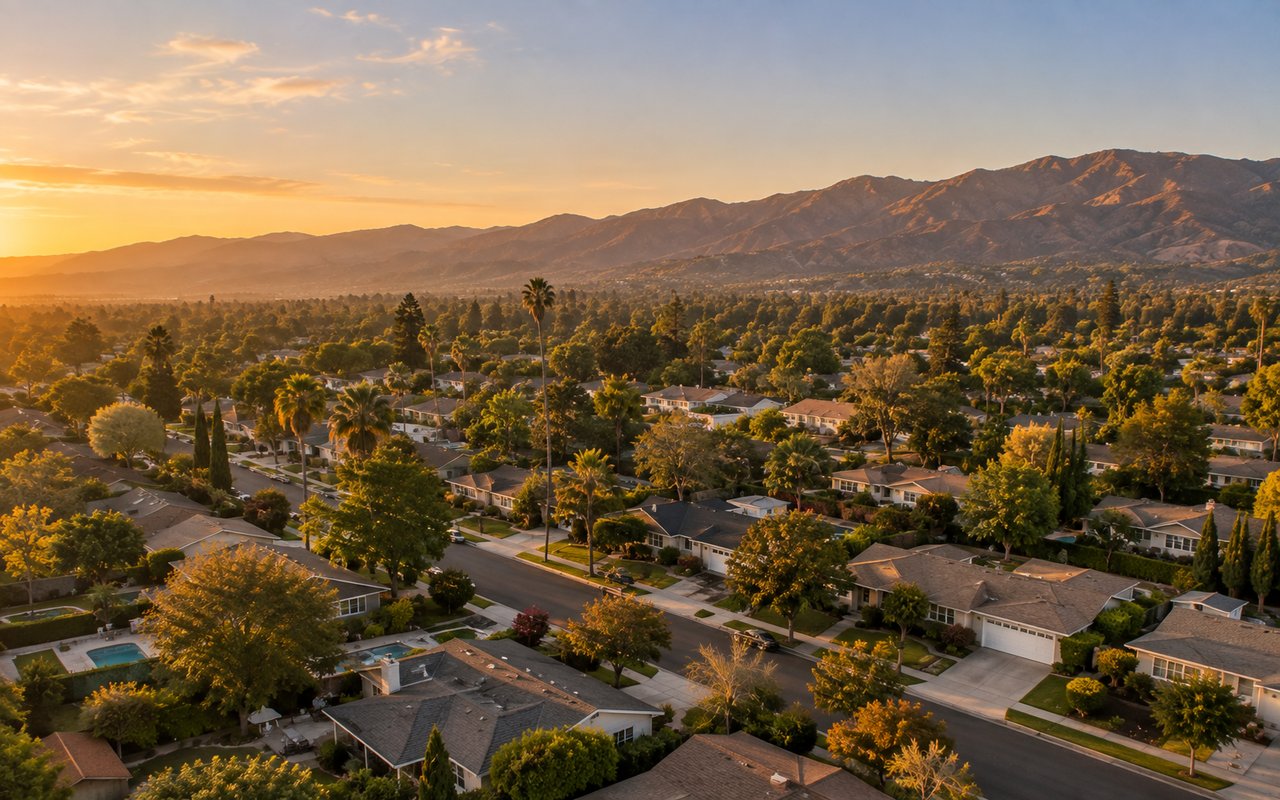
What you're getting at that price point is a 3- or 4-bedroom single-family home on a 7,000 to 8,500 square foot lot in a park-adjacent suburban neighborhood with LAUSD schools, solid freeway access, and the Orange Line G Line busway running through the neighborhood for transit.
First-time buyers are a good fit for Lake Balboa if you want a suburban single-family starter home, you're comfortable with the $850,000+ price point (either because of your income, your savings, your co-buyer situation, or some combination), and you're thinking of this as a 5+ year hold rather than a short-term play. If you're looking for the cheapest possible entry into LA homeownership, you'll find better entry prices in Van Nuys, Reseda, Pacoima, or parts of Canoga Park. Lake Balboa is not the absolute cheapest. It's a balance of quality of life and entry price that works for a specific profile.
For a full comparison with nearby neighborhoods, the Lake Balboa vs Van Nuys and Lake Balboa vs Encino posts both go deeper on trade-offs.
Understanding Your Budget
Before you look at a single home, get clear on three numbers: your down payment, your closing costs, and your comfortable monthly payment.
Down payment options for first-time buyers:
Most first-time buyers work with one of these loan structures:
- FHA loan: 3.5% down minimum. Good fit for first-time buyers with moderate down payment savings. FHA loans require mortgage insurance that stays for the life of the loan (or until you refinance), which adds to monthly cost.
- Conventional loan: 3% to 5% down for first-time buyer programs, 10% to 20% for standard conventional. Private mortgage insurance is required below 20% down but drops off automatically once you reach 22% equity.
- VA loan: 0% down for eligible veterans and active duty service members. No mortgage insurance. One of the strongest financing options available if you qualify.
- Down payment assistance programs: California has several programs (CalHFA, various city and county programs) that can stack with FHA or conventional loans to cover part or all of your down payment or closing costs. Eligibility depends on income, first-time buyer status, and other factors.
Closing costs: Expect 2% to 3% of the purchase price. On an $900,000 home, that's $18,000 to $27,000. Some of this can be covered by seller credits negotiated into your offer, depending on market conditions. Some loan programs offer lender credits that offset portions of closing costs in exchange for a slightly higher interest rate.
Monthly payment: On a $900,000 purchase with 5% down, 7% interest rate, property taxes, and insurance, you're typically looking at a total monthly payment in the $6,000 to $7,000 range. That number moves significantly with rate changes, so get current quotes from a real lender before committing to any specific budget.
DTI (debt-to-income) ratio: Most lenders want your total monthly debt obligations, including the new mortgage, to stay below 43% to 45% of your gross monthly income for conventional loans, with some flexibility for strong compensating factors. FHA can sometimes stretch to 50%+ with strong credit and reserves.
Pre-approval versus pre-qualification: These are not the same thing. Pre-qualification is a loose estimate based on information you self-report. Pre-approval involves the lender actually reviewing your credit, income documentation, and assets. Sellers in Lake Balboa want to see real pre-approval letters, not pre-qualification. Get the real one before you start writing offers.
Specialty loan programs for specific properties or buyers: Some sellers, particularly on new construction or investor-flip properties, partner with specific lenders to offer promotional loan programs. Examples include no-mortgage-insurance programs, rate buydowns, and lender credits. These can meaningfully change the math on a specific home. When you see a listing mentioning a special program, verify the exact terms with the listing agent and the specific lender before assuming the program fits your situation.
What $850,000 to $1 Million Actually Buys in Lake Balboa
Let me put concrete examples on the numbers.
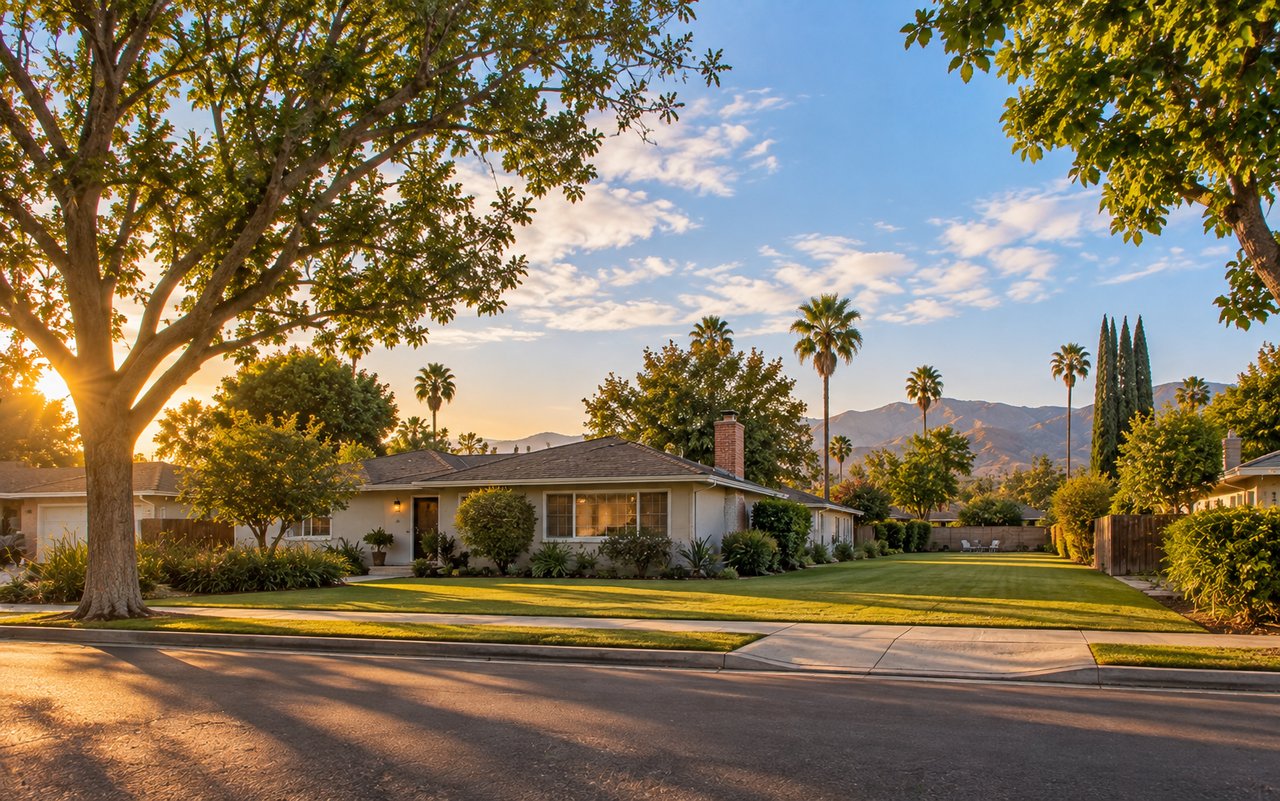
At $850,000 to $950,000, you're typically looking at a 3-bedroom, 2-bathroom single-family home in the 1,400 to 1,700 square foot range on a 7,000 to 7,500 square foot lot. Most will be 1950s or 1960s ranch homes with varying levels of updating. Some will be move-in ready with modern kitchens and bathrooms. Others will have original kitchens, dated bathrooms, and good-to-original systems. The fixer-upper discount is real at this price point.
At $950,000 to $1,100,000, you move into more consistently updated homes. 4-bedrooms become more common. Lot sizes push toward 8,000 to 8,500 square feet. This is the price band where you'll see homes with pools, substantial renovations, or true turnkey condition.
Above $1,100,000, you're in premium Lake Balboa territory: the pocket south of Vanowen Street near Anthony C. Beilenson Park. This is where the largest lots, most extensive renovations, and sometimes the ADU-ready or ADU-complete properties trade.
Below $850,000, you're generally looking at condos, townhomes, smaller single-family homes on tighter lots, or properties needing substantial work. Those can be great entry points for first-time buyers willing to sweat equity into a home.
The ADU Opportunity Is Real for First-Time Buyers
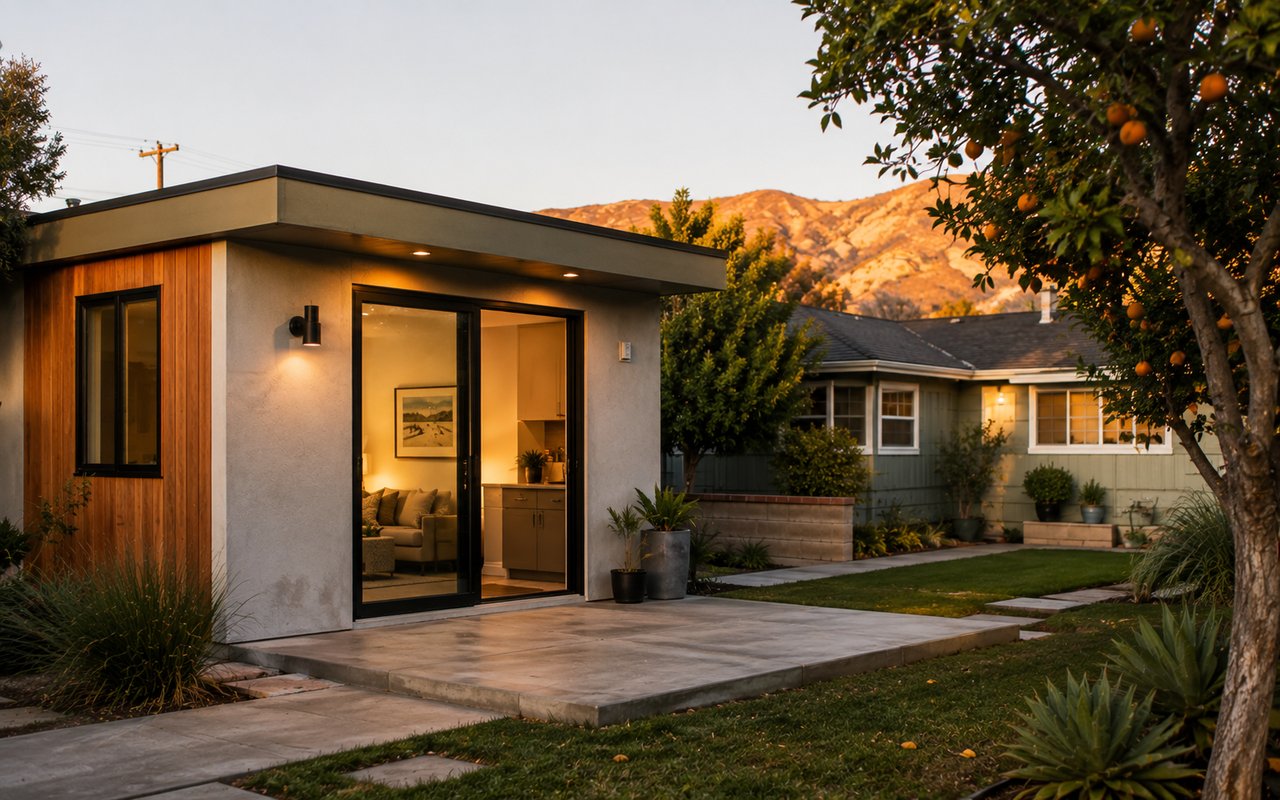
Here's a specific angle that most first-time buyer guides miss. Lake Balboa's larger lots make it one of the best neighborhoods in the Valley for ADU construction, and the financing implications for first-time buyers are meaningful.
If you buy a Lake Balboa home with ADU potential (deep lot, existing garage convertible to living space, or space for a new detached unit) you can rent the ADU to cover a substantial portion of your mortgage. A $2,400 to $2,800 monthly ADU rent on a $6,500 total monthly housing cost cuts your effective payment by more than a third.
Some mortgage programs actually let you count projected ADU rent toward your income qualification, which can expand your price range. Not all lenders do this, and the rules vary. But it's worth asking about with your lender.
The Lake Balboa ADU Guide 2026 covers the construction, permit, and financing details for ADUs. If you're going to consider this path, read that post before you start shopping.
The Offer Process in a Competitive Market
The reality of Lake Balboa in 2026 is that well-priced move-in-ready homes often get multiple offers. That competition pushes first-time buyers against investor cash offers and experienced move-up buyers with larger down payments.
Three specific moves to stay competitive without overpaying or waiving essential protections:
1. Get real pre-approval, not a ceiling quote. Your pre-approval letter should reflect the specific price you're offering, not your maximum ceiling. Smart sellers read pre-approval letters carefully. A letter that says "up to $1.1M" on an $875,000 offer tells the seller you have more room, which weakens your position. A letter that says "approved for this purchase price" at the exact offer amount looks different.
2. Use a personal cover letter cautiously. Buyer cover letters (the "personal story" letter) can create fair housing law issues for sellers. Many sellers and agents now refuse to read them. Better strategy: have your agent (me, if I'm working with you) write a cover letter emphasizing the cleanliness of your offer terms and your commitment to closing, not your family story.
3. Structure your inspection contingency smart. A full inspection waiver is a big risk on a 1950s home. An informational-only inspection (you inspect but can't renegotiate the price based on findings) is a lighter-weight option that signals seriousness without putting you in a bad position. Your agent should discuss which approach fits the specific property and competition level.
Escalation clauses are a tool worth understanding but not always the right move. They automatically increase your offer up to a cap if a competing offer comes in higher. They can win homes, but they also reveal your maximum budget and sometimes encourage sellers to fish for the ceiling. Use them selectively, not automatically.
Inspections and Due Diligence
Once you're in contract, your inspection period is your main tool for verifying what you're actually buying.
For Lake Balboa's older housing stock, prioritize inspecting:
- Electrical systems. Many 1950s homes have been partially updated but retain old panels, ungrounded outlets, or aluminum wiring in some circuits.
- Plumbing. Original galvanized supply lines and cast iron drain lines are common and can fail. A sewer camera inspection is worth the extra fee.
- Roof condition and age. Ask for documentation of any roof replacement or major repair.
- HVAC age and condition. Central systems have a lifespan of 15 to 20 years. If the current one is at end of life, budget for replacement.
- Foundation. Original slab and raised foundations both have their own issues in older Valley homes.
The Natural Hazard Disclosure (NHD) report for Lake Balboa will typically flag earthquake fault zone proximity, flood zone considerations (Lake Balboa is not high flood risk but adjacent Sepulveda Basin is a flood control facility), and other standard hazards. Read it. Don't gloss over it.
Escrow and Closing
Typical California residential escrow runs 21 to 45 days from accepted offer to closing. Your lender's underwriting timeline drives the overall length. Cash buyers can close in 7 to 15 days, which is another reason they beat financed offers in competitive situations.
During escrow:
- Days 1 to 7: Inspections, contingency investigations, lender orders appraisal
- Days 7 to 17: Inspection contingency typically expires, you either move forward or walk
- Days 17 to 30: Appraisal complete, loan contingency typically expires, final loan approval
- Days 30 to 45: Final signing, funding, recording, keys
Your agent and escrow officer will keep you on top of specific deadlines. Miss a contingency deadline and you can lose rights to back out without forfeiting your deposit.
Closing costs get paid at signing, along with your down payment. Wire fraud is a real risk in escrow. Always verbally confirm wire instructions with your escrow officer (through a phone number you already have, not a number emailed to you) before sending funds.
Honest Downsides for First-Time Buyers in Lake Balboa
Time to be direct about the real trade-offs.
The entry price is not low by absolute standards. $850,000+ for a starter home is real money. Compared to the Midwest or the South, this is expensive. If your income or savings don't support that level comfortably, pushing into it will strain your finances.
School quality is a legitimate concern for families. Default LAUSD elementary placements are average. The Lake Balboa Schools Guide walks through the full picture, including magnet and charter options.
Competition is real at the best-priced listings. The entry-price homes get multiple offers. Not every offer wins.
Older housing stock means more maintenance. A 1950s home, even an updated one, has older infrastructure than a 2010 suburban tract home in a newer market. Budget for ongoing maintenance.
Interest rates in 2026 are still a drag. Your monthly payment at today's rates is materially higher than it would have been in 2020 or 2021. Your rate will affect what you can actually afford.
Who This Guide Is For
This guide fits you if you're a first-time buyer with household income in the $150,000 to $250,000 range (approximately), savings in the $50,000 to $150,000 range for down payment and closing costs, and a realistic understanding that you're buying in Los Angeles, not in a lower-cost market.
You're a good fit for Lake Balboa specifically if you want a suburban single-family home, you value park access and outdoor lifestyle, you're open to using LAUSD's magnet and charter options for schools, and you see the 5+ year horizon on your purchase rather than planning to move again in 2 years.
You should probably look at other SFV neighborhoods if your budget is under $750,000 (Van Nuys, Reseda, Canoga Park, Panorama City have more options at that price point) or if you need top-rated default schools (consider Encino south of Ventura or neighborhoods in Burbank or La Cañada districts).
Bottom Line
Buying your first home in Lake Balboa is a legitimate financial decision if the math works for your situation. The entry price is real. The trade-offs are real. But what you're getting is a suburban single-family home in one of the better-positioned San Fernando Valley neighborhoods, with real appreciation potential, real ADU upside on the right properties, and a lifestyle that works well for long-term homeownership.
The biggest mistake first-time buyers make in Lake Balboa is not having a clear financing story before they start shopping. Second biggest: falling in love with a specific house before they've stress-tested their budget against the realistic monthly payment and maintenance cost.
If you want to walk through your specific situation, look at realistic properties, and figure out whether this neighborhood actually fits your profile, let's talk. I can connect you with lenders I trust, walk you through what you can actually afford, and show you homes that match both your budget and your long-term goals.
For more on what to look for in any SFV listing agent, here is my honest take on how to choose the right one.
Justin Bonney is a California real estate agent (DRE #01338897) and the owner of Clear Way Real Estate in Sherman Oaks. He lives in Lake Balboa and specializes in Lake Balboa, Van Nuys, Sherman Oaks, and the surrounding San Fernando Valley.