The California Legislature closed its two-year session on August 31. Eleven housing bills made it to Governor Newsom's desk, and he has until September 30 to sign or veto them.
Here is the part nobody puts in a headline: if he does nothing, most of them become law anyway. Under Article IV of the state constitution, a bill passed before September 1 that the Governor does not return by September 30 takes effect without his signature.
So the honest question this month is not whether Newsom acts. It is which of these actually lands on a house you own in Lake Balboa, Van Nuys, Reseda, or Northridge.
Four of the eleven do. The rest is plumbing.
The lot-split bill nobody in the Valley is talking about
SB 1116 (Caballero) rewrites the Starter Home Revitalization Act. That is the small-lot subdivision law built on SB 684 and SB 1123, the ones that let qualifying urban lots be split into modest for-sale homes instead of one house sitting on a big pad.
The law has been on the books for a few years and has produced almost nothing, mostly because cities layered on lot-size minimums, setbacks, and height rules that killed the math. SB 1116 goes after exactly those levers. It measures building height in feet rather than stories, lowers minimum parcel sizes, allows lot averaging, and makes certain restrictive covenants unenforceable against qualifying projects. It cleared both houses without a single no vote.
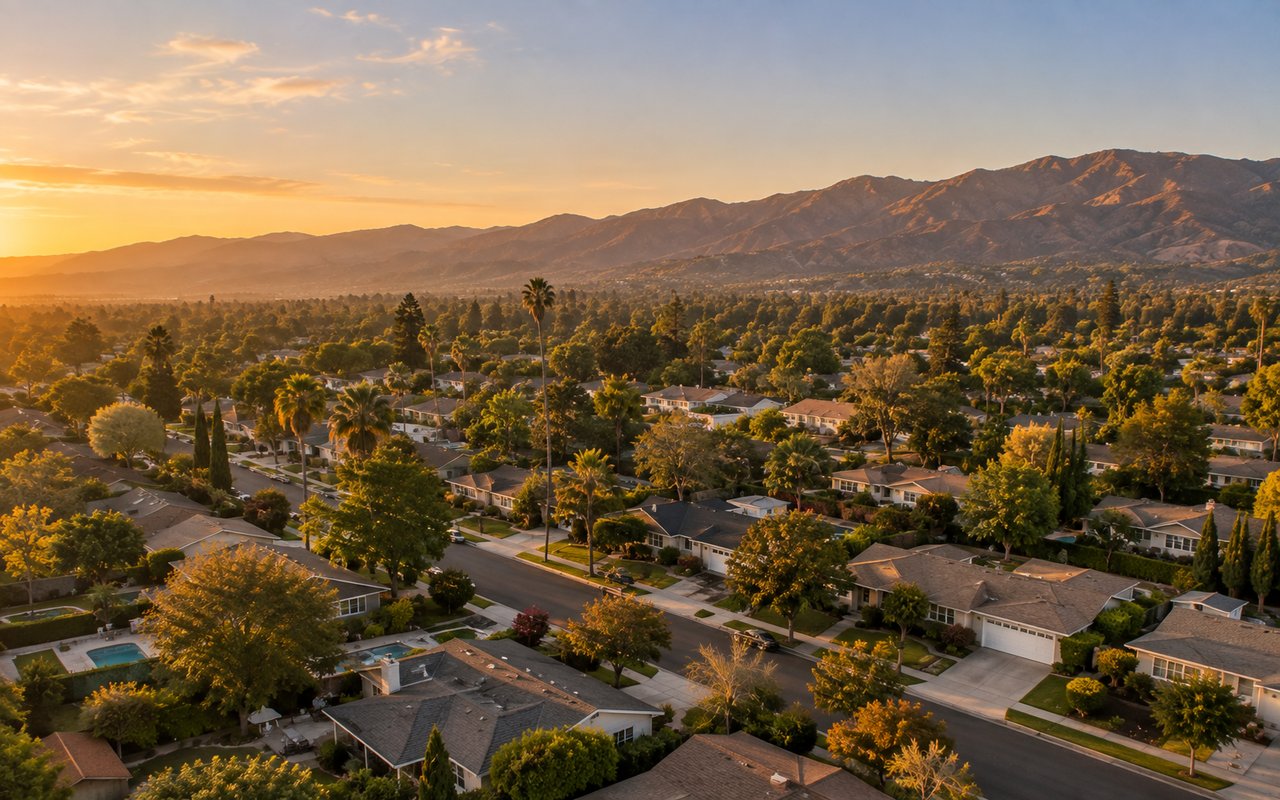
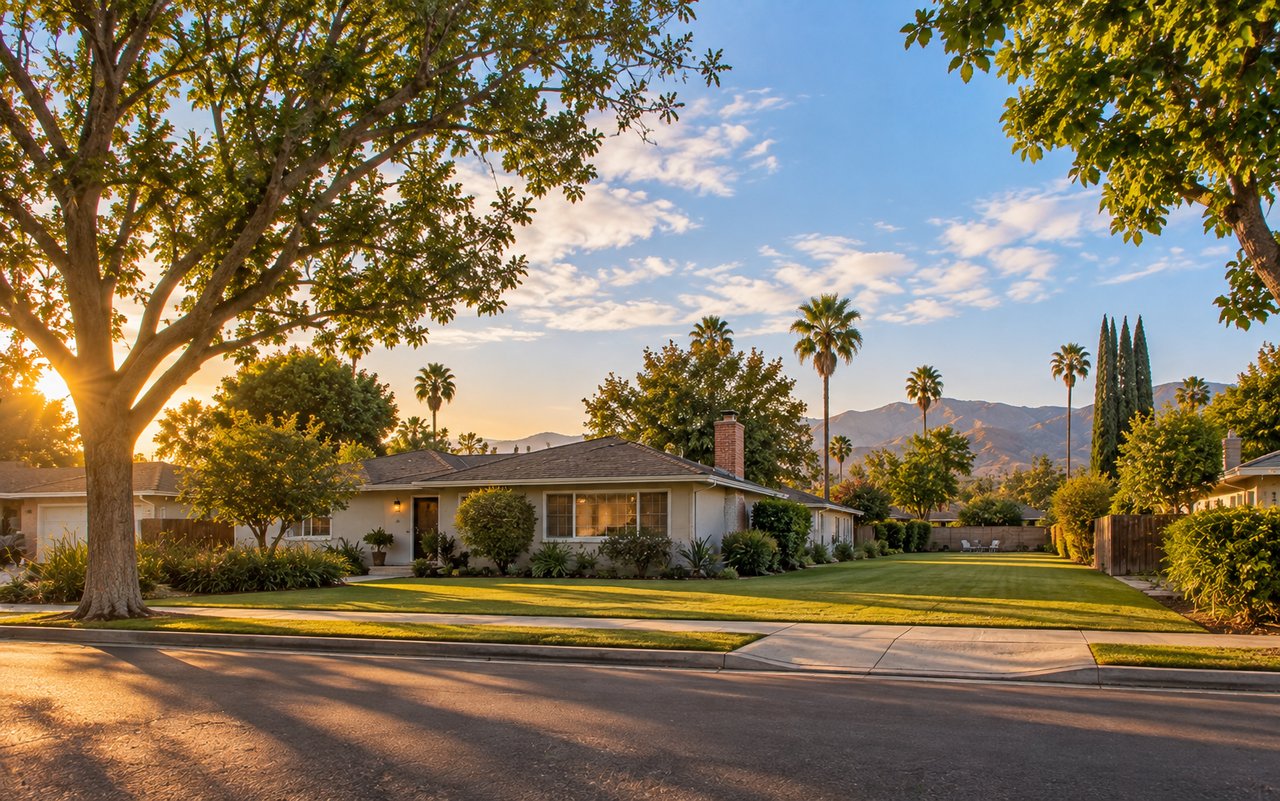
Why this matters here more than almost anywhere: the postwar Valley was built on flat, rectangular, oversized lots. A 7,500 square foot lot in Reseda is ordinary. In most of coastal California, it is a luxury. If SB 1116 becomes law, applications filed on or after January 1, 2027 get a materially better shot at penciling.
That does not mean your street turns into townhomes. It means the number of buyers who can make a real offer on your lot gets bigger, and one of them is now a small builder running a spreadsheet you have never seen. That is how land value moves. Quietly, one buyer type at a time.
Two ADU bills that change the backyard math
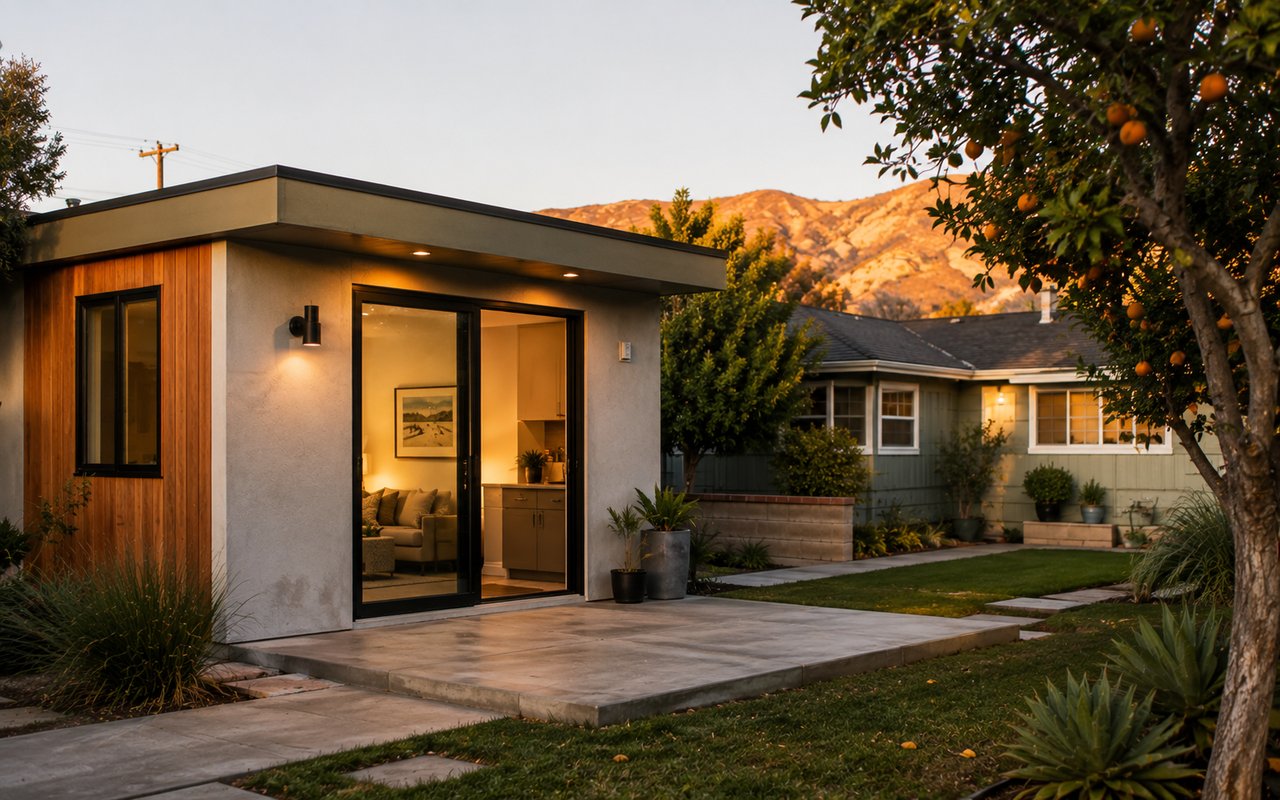
AB 956 (Quirk-Silva) would allow up to two detached accessory dwelling units on a single-family lot instead of one, and would void HOA covenants that block compliant ADUs.
SB 1117 (Cervantes) is the money one. Current law already exempts ADUs of 750 square feet or less from impact fees. The trap has been on the other side of that line, where a 900-square-foot unit could get charged fees on all 900 square feet. SB 1117 would limit the charge to the square footage above 750.
I walked through what California's 2026 ADU laws already mean for Valley homeowners earlier this year, and nothing in these two bills changes the core point: an ADU is a cash flow decision before it is a resale decision. But if you were already sitting right at the edge of the spreadsheet, a fee schedule that only bills the overage is the kind of change that moves a no to a maybe.
The permitting clock
SB 1014 (Grayson) is procedural, and it is the one a small builder would pick first. It would require cities to hand over an itemized list of required onsite and offsite improvements within 30 business days, rather than discovering them for you six months into a project.
Sewer upsizing and frontage work do not kill deals because they are expensive. They kill deals because they show up late, after the budget is already set. Putting a clock on that number is worth more to Valley infill than most of the flashier bills on the list.
What died, and why I am telling you
AB 1903 died on the Assembly floor. That was the construction defect liability rewrite meant to make condo construction insurable and financeable again. It is the biggest housing story of this session that almost nobody is covering, because entry-level for-sale product in the Valley is condos and townhomes, or it is nothing. AB 1070, which would have simplified building codes for small multifamily, was held in committee.
So the honest read on this session: the bills that survived are the small procedural ones. The two that would have moved the most housing did not.
What I would actually do this month
If you own a Valley house on a lot over about 7,000 square feet, this is the month to find out what your dirt is worth separately from your house. Those are two different numbers, and most owners have only ever been told one of them.
If you have been pricing an ADU, get a quote against both fee schedules, the current one and the SB 1117 version, and see how much of the gap actually closes.
And if you are thinking about selling in 2027, understand that the buyer pool for your lot may look different in January than it does today. That is worth knowing before you set a price, not after.
I am not going to tell you any of this makes your house worth more. I do not know that yet, and neither does anyone quoting bill numbers at you. What I will tell you is that the value of a San Fernando Valley lot has always been a function of what can legally be built on it, and that variable is being edited right now on a September 30 clock.