Part 2 of 2
Earlier this month, I broke down what SB 79 does, which Valley blocks are affected, and why your neighbor is freaking out more than they probably should. If you have not read that one, start there. This piece assumes you have.
SB 79 takes effect Wednesday, July 1, 2026. Two business days from now. This is the actionable checklist.
The five-minute homeowner checklist
1. Find out if your parcel is actually inside the SB 79 ring.
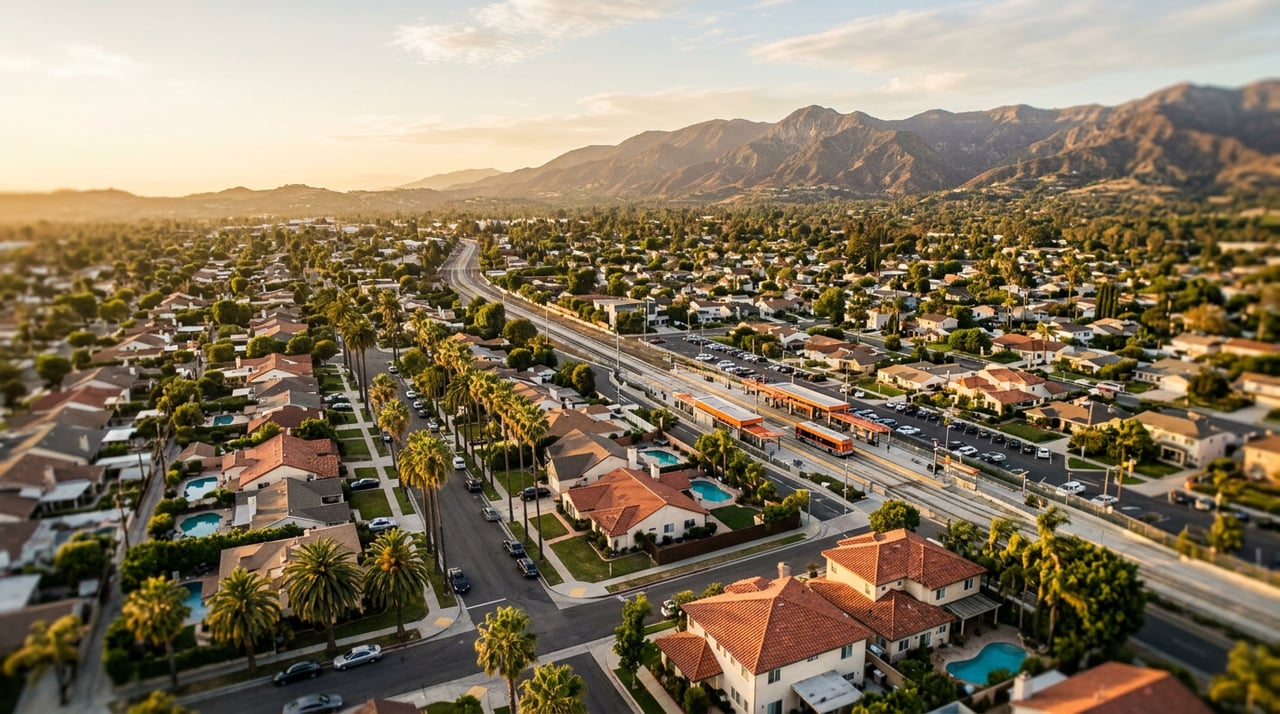
This is the single highest-leverage thing you can do this week. Pull up the LA Metro G Line station map. Draw a quarter-mile circle and a half-mile circle around the SFV stops that did not get LA's delay carveout: Balboa, Reseda, Sepulveda, Tampa, Woodman, Valley College, Pierce College. Is your parcel inside either ring? If yes, the rules on your lot change Wednesday. If no, the rules on your lot do not change directly, but your comp set probably will.
This is a five-minute exercise. Do it before the law goes live, not after.
2. If you are within a quarter-mile of one of those stops, get a real land-value opinion this week.
Not a Zillow estimate. Not a casual coffee chat with the agent who sold you the house in 2018. A real conversation with someone who is actually running SB 79 redevelopment math on parcels in your area right now. There is a meaningful gap between what your house is worth to a retail buyer and what your lot is worth to a developer who can now put 160 units per acre on it. You should know both numbers before you make any decision.
This is not a sell-now signal. It is a know-what-you-have signal. The information is free to gather. Acting on it is a separate decision.
3. If you are thinking about an ADU, time the permit window.
SB 79 does not replace California's ADU laws. They run on parallel tracks. The 2026 ADU updates (permanent removal of owner-occupancy requirements for ADUs permitted after January 1, 2026, statewide pre-approved plans, 15-business-day completeness deadlines) are already in effect. SB 79 layers on additional development pathways near transit.
If your lot is inside an SB 79 ring, the calculus on whether to build a single ADU or a small multi-unit project just shifted. If your lot is outside the ring, the ADU rules are what they are. Either way, talk to a designer who understands both frameworks before you submit anything. The wrong filing path can cost you a year.
4. If you are buying near transit this summer, do not pay developer-money for retail-use.
The quiet pricing problem I am watching for is buyers paying a premium for a single-family home that sits on a parcel a developer would price as a redevelopment site. If the seller priced the listing based on the redevelopment value, you are buying air. If the seller priced it as a retail home and you are getting the redevelopment upside for free, that is a great deal.
The only way to know which one you are looking at is to do the math. Ask your agent. If they cannot answer the question, get a second opinion.
5. If you are a long-time owner who is not selling, do not panic.
SB 79 does not force you out. It does not change your property tax. It does not change your existing financing. What it changes is the long-term character of the corridor you live on. If you bought your block specifically because it felt quiet and low-density, the next decade will test that. Plan accordingly. That might mean nothing more than upgrading your home insurance limits to reflect what your land will actually be worth in five years.
What I am watching for the first 30 days
Three things will tell us how SB 79 actually plays out in the Valley:
- Volume of pre-application submittals at LADBS in July. If developers were ready, we will see a wave Wednesday and Thursday. If they were not, the law is on paper before it is in the dirt.
- Whether LA tries to slow-walk approvals on technical grounds. The law removes discretionary review, but cities have a long history of finding objective standards to slow things down. The first lawsuit will tell us whether the streamlining holds.
- Whether comp activity picks up on quarter-mile-ring parcels. Smart money will move first. I will be watching MLS withdrawals and re-lists in the next 60 days for signs that owners are repositioning lots for developer buyers.
The bigger picture
The State Farm enforcement story I wrote about three weeks ago and SB 79 are two sides of the same coin. California is simultaneously:
- Pricing fire-adjacent SFR risk into homeowner insurance (which suppresses values in Porter Ranch, Chatsworth, hillside Encino).
- Pricing transit-adjacent land into a redevelopment premium (which lifts values in flatlands Reseda, Van Nuys, Balboa, Sherman Oaks).
These forces hit different ZIPs and different blocks. If you own in the Valley, your specific outcome depends on which side of these two trend lines your parcel sits.
The agents who treat both forces as someone else's job are the ones whose clients miss the timing window. I would rather give you the math wrong than give you nothing.
How to use me on this
If you want me to pull a parcel-level read on your specific address before SB 79 goes live, that is a free 20-minute call. I will draw the ring, give you the comp set for both retail and developer pricing, and tell you what the realistic decision tree looks like over the next 12 months.
Justin Bonney, DRE #01338897
Clear Way Real Estate
15233 Ventura Blvd, Suite 500, Sherman Oaks
(818) 697-4884
Not legal advice. SB 79 implementation will vary by parcel and by city. For specific land-use or tax questions, talk to a licensed California land-use attorney and a CPA.