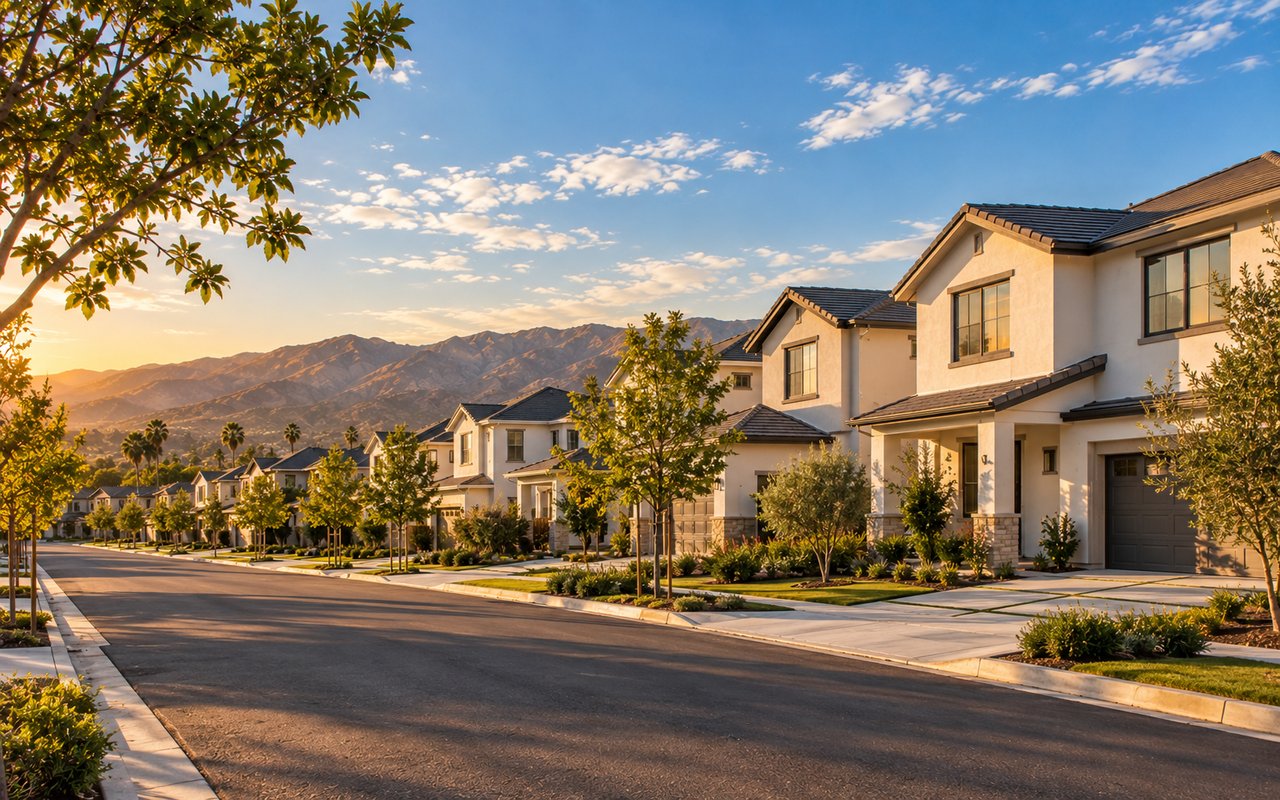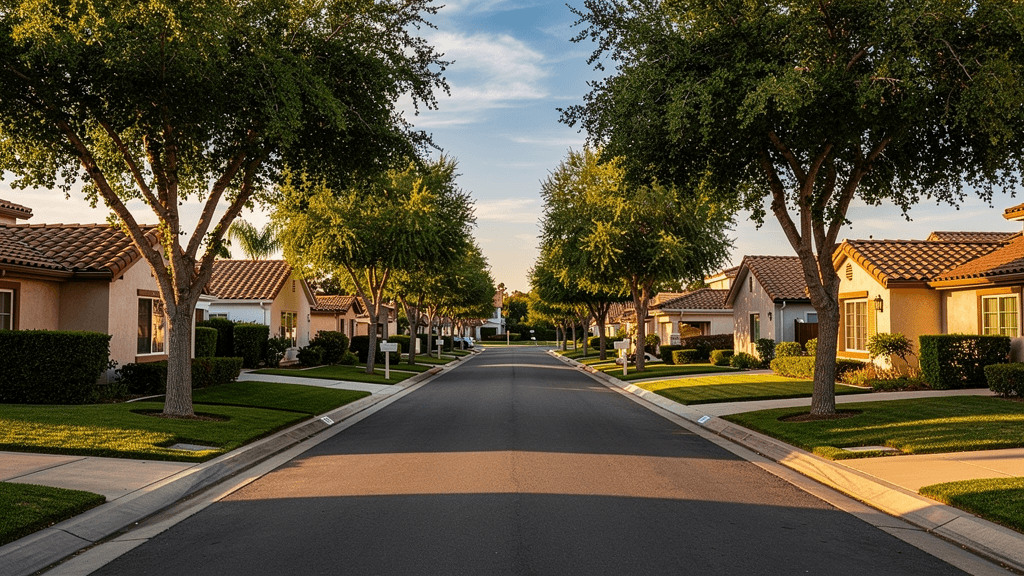
Northridge doesn't have a cute walkable downtown. It doesn't have $4M hillside view lots. It has something most Valley neighborhoods have quietly lost: a 3-bed, 2-bath with a real backyard for under $900K, sitting 10 minutes from both the 118 and 405, anchored by a thriving college campus that brings steady demand and community energy. That's not glamorous. That's not Instagrammable. That's exactly why smart buyers and investors are looking here.
I've spent years helping people navigate the San Fernando Valley, and I see the same pattern over and over: neighborhoods get a reputation, that reputation sticks around for decades even after conditions change, and savvy people capitalize on the gap between perception and reality. Northridge is that neighborhood right now. And if you're serious about what you're actually buying rather than what it looks like to tell people at a dinner party, this is worth your attention.
Why Northridge Gets Overlooked (And Why That Matters to You)
Let's be honest about what Northridge isn't. There's no walkable main street with craft coffee shops and vintage boutiques. The community doesn't have the sophisticated brand recognition of Encino or Woodland Hills. And yes, there's still a 30-year-old ghost hanging around: the 1994 Northridge earthquake.
That earthquake was real. It was devastating. It also happened more than three decades ago. What happened after matters more: homes got rebuilt to modern seismic code. New construction standards went into effect. Retrofitting became standard. Today, many of the homes that look "older" in Northridge were literally rebuilt with 2000s and 2010s engineering and safety standards. You're not buying a relic. You're buying a home that survived catastrophe and came back stronger. But the perception? That's slower to change.
That perception gap is exactly where value hides.
The Numbers: What You're Actually Paying For
Let's talk price, because price is what actually matters.
Northridge median home price: approximately $875,000
Comparable communities:
- Sherman Oaks: $1.3M+
- Encino: $1.8M+
- Woodland Hills: $1.1M+
You're looking at roughly 30 percent less than Sherman Oaks for a similar footprint, and that's not because Northridge homes are smaller or in worse shape. It's because you're not paying a brand premium. You're getting the actual value of the property.
Price per square foot in Northridge averages around $550 to $650, depending on the pocket. That same square footage in Sherman Oaks runs $750 to $900. What changes? The zip code, the proximity to a college campus, and the absence of a trendy coffee shop district. The actual neighborhood quality, school access, and commute times? That's often comparable or better.
The Best Pockets: Where to Look
Not all of Northridge is created equal. I tell my clients to focus on three primary areas.
North of Devonshire (near Porter Ranch border)
This is your newer construction zone. Larger lots, more modern builds, proximity to better schools and the newer infrastructure near Porter Ranch. If you want more contemporary finishes and updated floor plans, this is where they are. Expect to pay slightly more, but you're getting homes that feel current.
West side (Granada Hills-adjacent)
This pocket has character. Tree-lined streets, established neighborhoods, easier access to 405 on-ramps. Great for families who want to feel slightly more insulated from the commercial core of Northridge.
Balboa Corridor
Running north-south through the neighborhood, this area offers walkability to shopping, quick freeway access, and proximity to the CSUN campus. Convenient if you're looking at rental investment potential or want walkable shopping without needing a trendy downtown.
Schools and Community Anchors
If you have kids or you're considering CSUN rental demand, this matters.
Castlebay Lane Elementary has strong ratings and serves the area well. Northridge Middle School and Northridge Academy High School handle secondary education. These aren't trophy schools with national rankings, but they're solid public schools that serve their communities effectively.
The real community anchor, though, is California State University, Northridge (CSUN). With 40,000+ students, this campus isn't just educational infrastructure. It's economic infrastructure. It drives rental demand, supports local businesses, creates a young-adult presence that keeps the neighborhood current, and provides stability. CSUN has been a constant in Northridge for over 50 years. That stability matters more than people realize.
Commute Reality Check
One of Northridge's genuine advantages gets underrated: location. You're not isolated in the far reaches of the Valley.
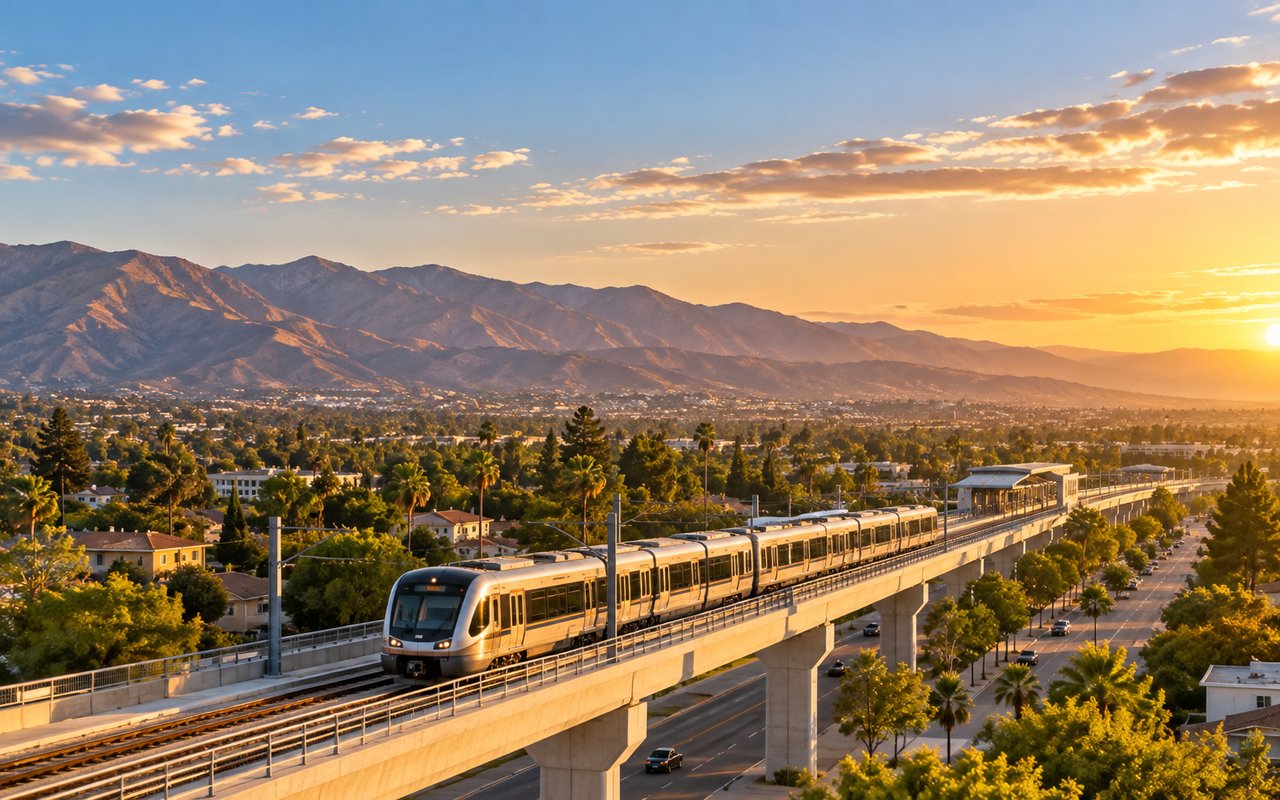
Public transit: The Metrolink Northridge Station connects to Union Station in downtown LA in about 28 minutes. For remote workers or occasional downtown commuters, that's solid.
Freeway access: The 118 is literally here. The 405 is 10 minutes south. The 101 is 15 minutes east. If you're commuting anywhere in the Valley or heading toward LA proper, you have legitimate options.
Work-from-home advantage: Since 2020, remote work has become the de facto arrangement for many professional jobs. Northridge's biggest advantage isn't freeway proximity anymore. It's that you can live here, enjoy the space and backyard, and not worry about a daily commute at all.
The Earthquake Rebuild Story (And Why It Actually Matters)
Here's the thing people don't talk about: the 1994 Northridge earthquake, as catastrophic as it was, forced a neighborhood-wide modernization that other Valley areas didn't experience.
When homes were rebuilt, they were built to new codes. Foundation work, electrical systems, plumbing, HVAC, structural reinforcement: all of it got brought up to current standards. Walk into a 1950s Craftsman in Northridge today, and you might find 2005 electrical work, 2010 HVAC systems, or a completely rebuilt foundation from the late 1990s.
Compare that to neighborhoods that never experienced major damage. Older infrastructure often means older systems still in place. In Northridge, that older home might actually have newer guts.
This is especially true for homes built between 1995 and 2010. They were built post-earthquake, so they incorporated everything learned. You're getting homes that look established and feel vintage, but with modern safety and efficiency standards inside.
Lifestyle: What's Actually Here
Northridge isn't trying to be something it's not, and that's refreshing.
Northridge Fashion Center is a solid regional mall with major retailers and restaurants. It's not a destination, but it works for practical shopping.
The farmers market runs regularly and actually attracts neighborhood participation.
CSUN events from concerts to theater productions to sports bring cultural activity throughout the year. The campus isn't just a backdrop. It's an active part of community life.
Hiking near Santa Susana Pass offers legitimate outdoor recreation without needing to drive 45 minutes. Nature is accessible.
You get a neighborhood where people actually live rather than perform. Families. Students. Working professionals. Multi-generational households. It's not curated for Instagram. It's functional for living.
The Investment Angle
If you're looking at this from a rental or appreciation perspective, Northridge has genuine fundamentals.
CSUN rental demand: With 40,000+ students, demand for rental properties (especially 2-3 bedroom) is consistent and year-round. Rental rates have climbed steadily as student housing has tightened.
ADU potential: Many Northridge lots are larger than comparable Sherman Oaks or Encino parcels. That extra space means accessory dwelling unit potential. A $875K purchase that generates $1,500 to $2,000 monthly ADU income changes the investment math significantly.
Appreciation trajectory: Northridge appreciation isn't as fast as trophy neighborhoods, but it's steady. As perception catches up to reality, and as Valley-wide inventory tightens, neighborhoods that offer actual value at reasonable prices appreciate at their own pace. Slow beats never.
Owner-occupant demand: First-time buyers, families moving from apartments, investors buying for themselves. The use cases keep expanding as prices in desirable neighborhoods climb.
Who Northridge Is Actually For
Be honest about your needs. This neighborhood works if:
- You're priced out of Sherman Oaks but want comparable values
- You have a family and actually care about backyard space over walkable boutiques
- You work remotely or have flexible commuting
- You're investing for rental income or long-term appreciation rather than quick flipping
- You want to build equity without the premium of recognized brand-name neighborhoods
- You're a student or working professional attached to CSUN
Northridge isn't for you if you need a walkable, curated lifestyle neighborhood, if you're seeking trophy school bragging rights, or if perception matters more than actual value.
The Clear Talk
Neighborhoods are relationships. You live somewhere, show up over time, and you build a life. Some neighborhoods sell you the life first, then deliver it (sometimes). Northridge sells you honest value, a solid community, and real families doing real things.
That's worth paying attention to.
Ready to Explore Northridge?
If you're serious about finding actual value in the San Fernando Valley, let's talk. I work with buyers and sellers who care about facts over fiction, about real numbers instead of neighborhood mythology. Northridge has both.
Whether you're looking to buy, sell, or invest, I'm here to give you the straight story and help you make the decision that makes sense for your situation.
Justin Bonney | Clear Way Real Estate | DRE #01338897
Helping buyers and sellers across the San Fernando Valley make clear, confident real estate decisions.