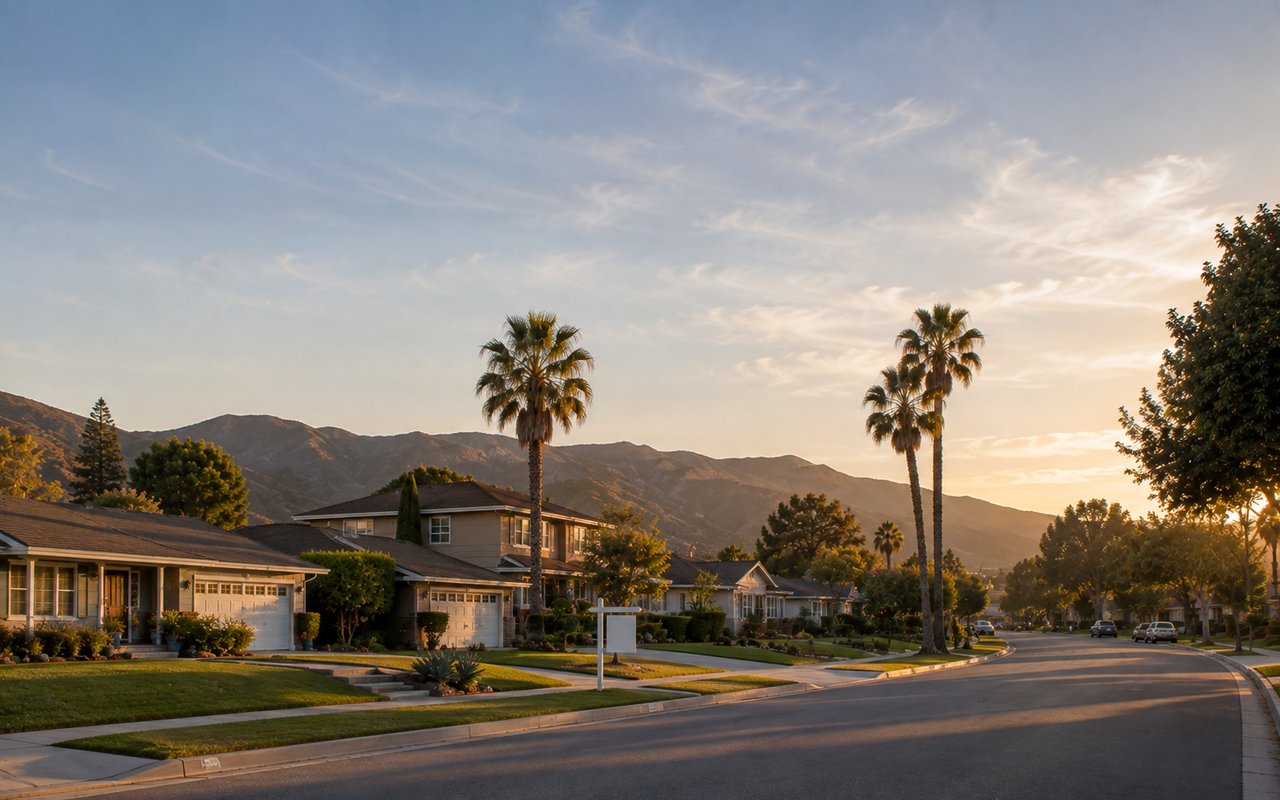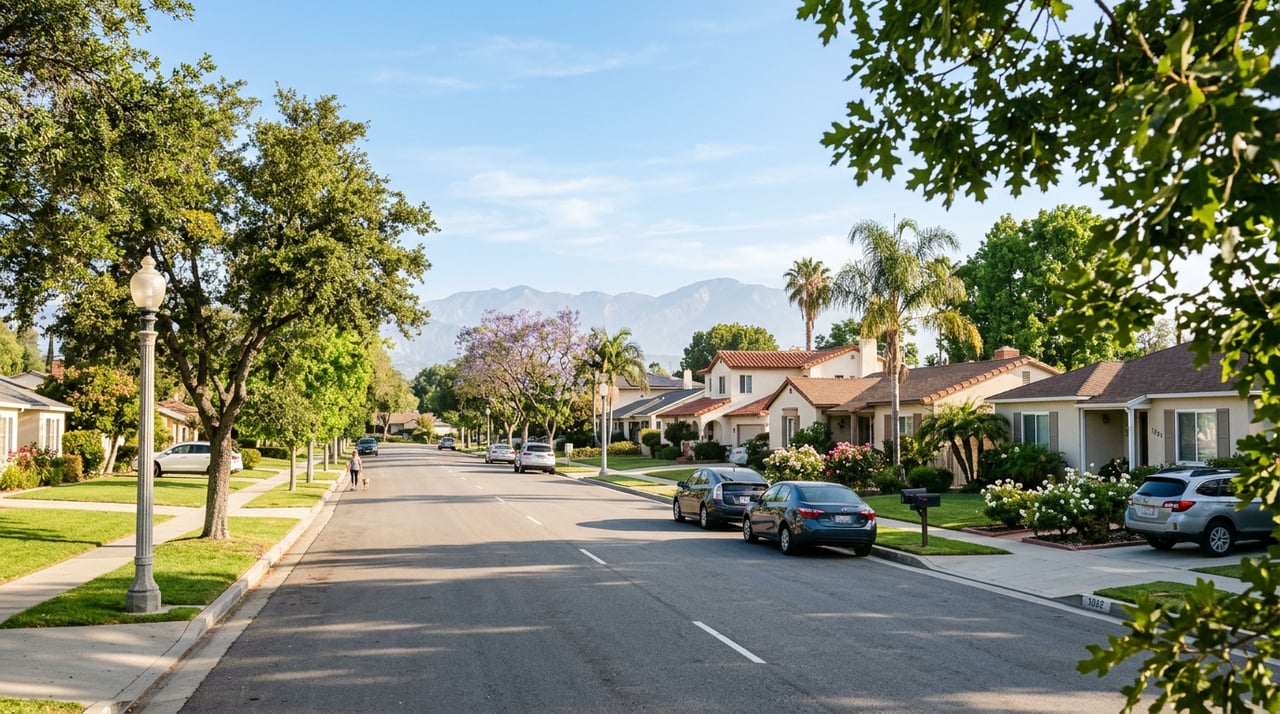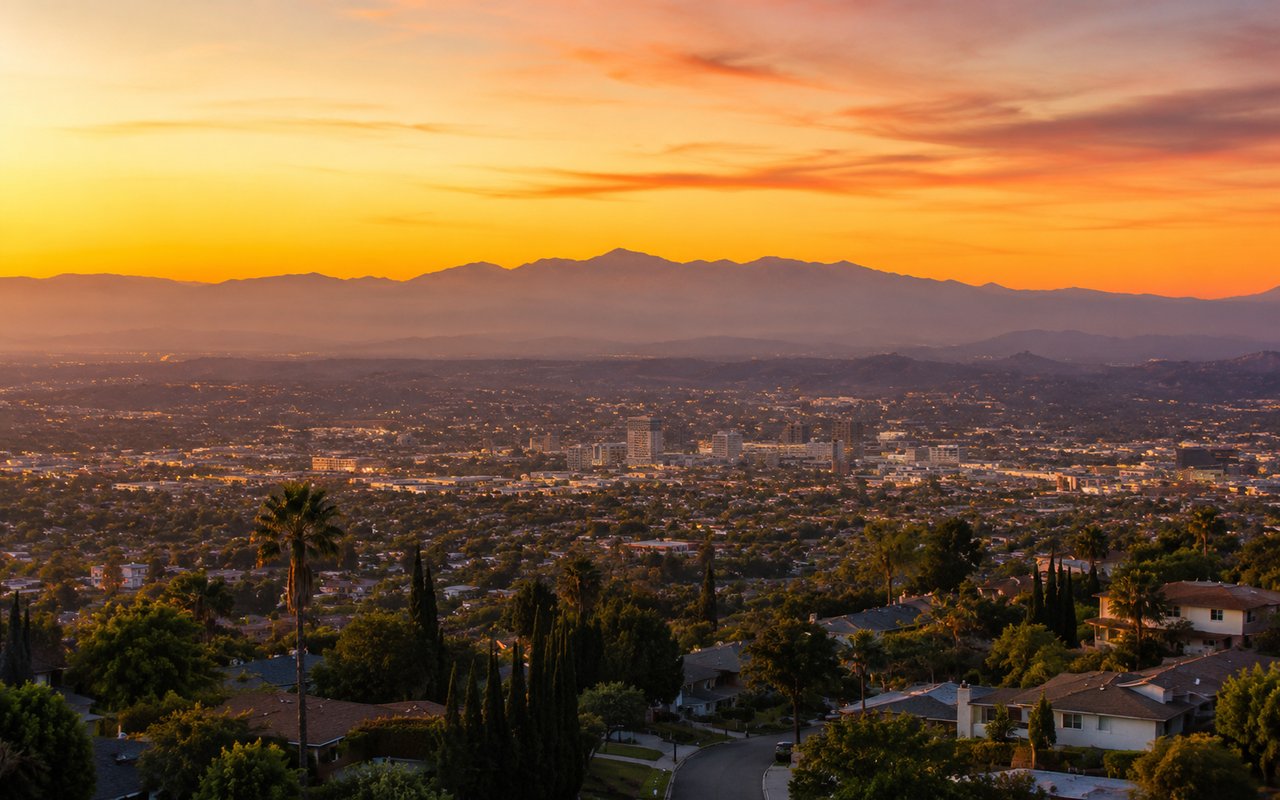
The cost of living in the San Fernando Valley in 2026 is high by national standards but noticeably lower than LA's Westside or the coastal neighborhoods, and housing is the number that drives everything else. For out-of-state buyers, your mortgage or rent will be the largest single expense by a wide margin, with utilities, gas, and everyday costs running above the U.S. average. Where you land inside the Valley, from a value pocket like Van Nuys to a premium area like Encino, can swing your monthly budget dramatically. Here is the honest breakdown.
Housing is the whole ballgame
When people ask how much it costs to live in the San Fernando Valley, they are really asking about housing. Everything else is a rounding error next to your monthly payment.
The Valley is not one market. It is a dozen. Entry-level pockets like Van Nuys, Reseda, and parts of Canoga Park sit well below the Valley average, while Encino, Sherman Oaks, Studio City, and the newer tracts of Porter Ranch command a real premium. For a sense of the spread, a modest single-family home in a value pocket can cost hundreds of thousands less than a comparable square footage in a premium neighborhood.
A few housing costs out-of-state buyers routinely underestimate:
- Property taxes. California base property tax runs a little over 1% of assessed value, plus local assessments.
- Mello-Roos. Some newer developments, including parts of Porter Ranch, carry special tax assessments that add meaningfully to the monthly cost.
- Insurance. Home insurance in California has gotten more expensive and, in some hillside areas, harder to place. Budget for it early.
If you are weighing specific neighborhoods, the best San Fernando Valley neighborhoods for families guide and the Van Nuys neighborhood page are good starting points for how price and lifestyle trade off.
Utilities, water, and the summer AC bill
The Valley runs hot in summer, and that shows up on your power bill. Electricity through LADWP plus natural gas will be a bigger line item here than in most of the country, largely because of air conditioning from late spring through early fall. Water is not cheap either, especially if you have a lawn. Homes with newer, efficient systems and good insulation cost noticeably less to run than older housing stock.
Getting around: gas, cars, and commute
The San Fernando Valley is car-dependent for most trips, and California gas prices sit well above the national average. If your work is on the Westside or in downtown LA, factor the commute into both your time and your budget. One bright spot: the Metro G Line busway runs across the Valley, and areas near it, including parts of Van Nuys and Lake Balboa, give you a car-light option that many buyers value.
Everyday costs: groceries, dining, childcare
Groceries and dining run above the national average, in line with the rest of Los Angeles. The cost that shocks most transplants is childcare, which is genuinely expensive across LA County. Healthcare, entertainment, and services all trend higher than what many out-of-state buyers are used to. None of it is unmanageable, but it adds up, and it belongs in your relocation math from day one.
How the Valley compares to the rest of LA
Here is the good news for anyone relocating. Compared with LA's Westside or the beach cities, the San Fernando Valley gives you meaningfully more home for the money. The cost of living in Los Angeles as a whole is famously high, but the Valley is where a lot of buyers find the best balance of space, schools, and access. You are still paying LA prices, just not the most expensive version of them.
What this means for out-of-state buyers
Build your budget around total monthly cost, not just the sticker price of a home. Add taxes, insurance, utilities, and commute to your mortgage before you decide what you can afford. And if you have never lived in Los Angeles, consider renting for six to twelve months first so you can learn the neighborhoods, the commute, and the daily rhythm before you commit. Nobody regrets doing that homework.
Frequently Asked Questions
How much does it cost to live in the San Fernando Valley in 2026?
It varies enormously by neighborhood, but housing is the dominant cost, and utilities, gas, and everyday expenses run above the national average. Your total monthly budget depends far more on which part of the Valley you choose than on any other factor.
Is the San Fernando Valley cheaper than the rest of Los Angeles?
Generally yes. Compared with the Westside and coastal neighborhoods, the Valley gives you more home for the money, though it is still an expensive market by national standards.
Which San Fernando Valley neighborhoods have the lowest cost of living?
Value pockets like Van Nuys, Reseda, and parts of Canoga Park tend to offer the lowest entry prices, while Encino, Sherman Oaks, and Porter Ranch sit at the premium end.
What hidden costs surprise people who move to the Valley?
Summer air-conditioning bills, home insurance, childcare, and, in some newer developments, Mello-Roos special taxes are the ones that catch out-of-state buyers off guard.
Should I rent or buy when relocating to the San Fernando Valley?
If you are new to Los Angeles, renting for six to twelve months first is usually the smart move. It lets you learn the neighborhoods and the commute before making a large purchase.
Is it worth moving to the San Fernando Valley from out of state?
For many buyers, yes. The trade-off is a high cost of living against strong long-term real estate demand, good weather, and more space than you would get closer to the coast.
Let's talk through your numbers
If you are planning a move to the Valley and want an honest read on what it will actually cost you, I am glad to help.