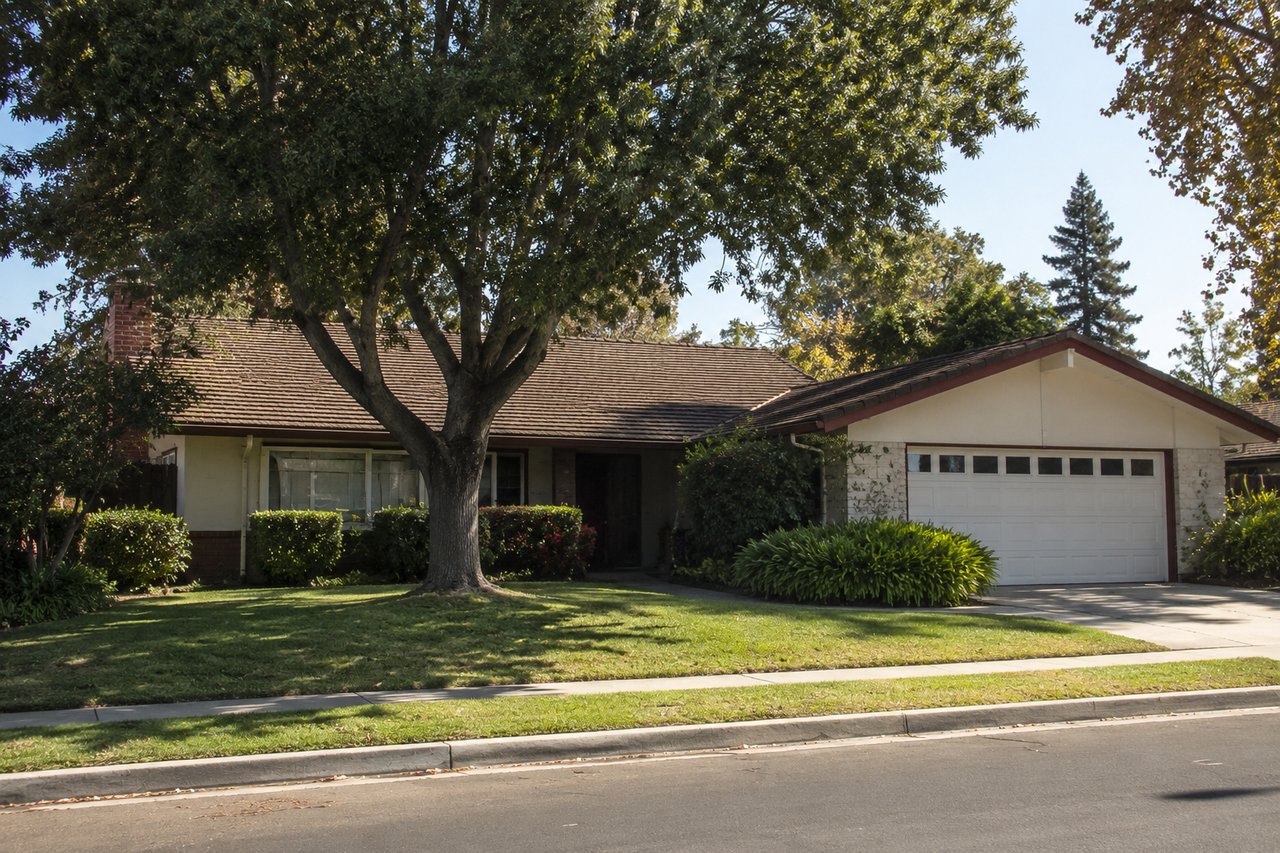
The Wave Nobody Prepared For
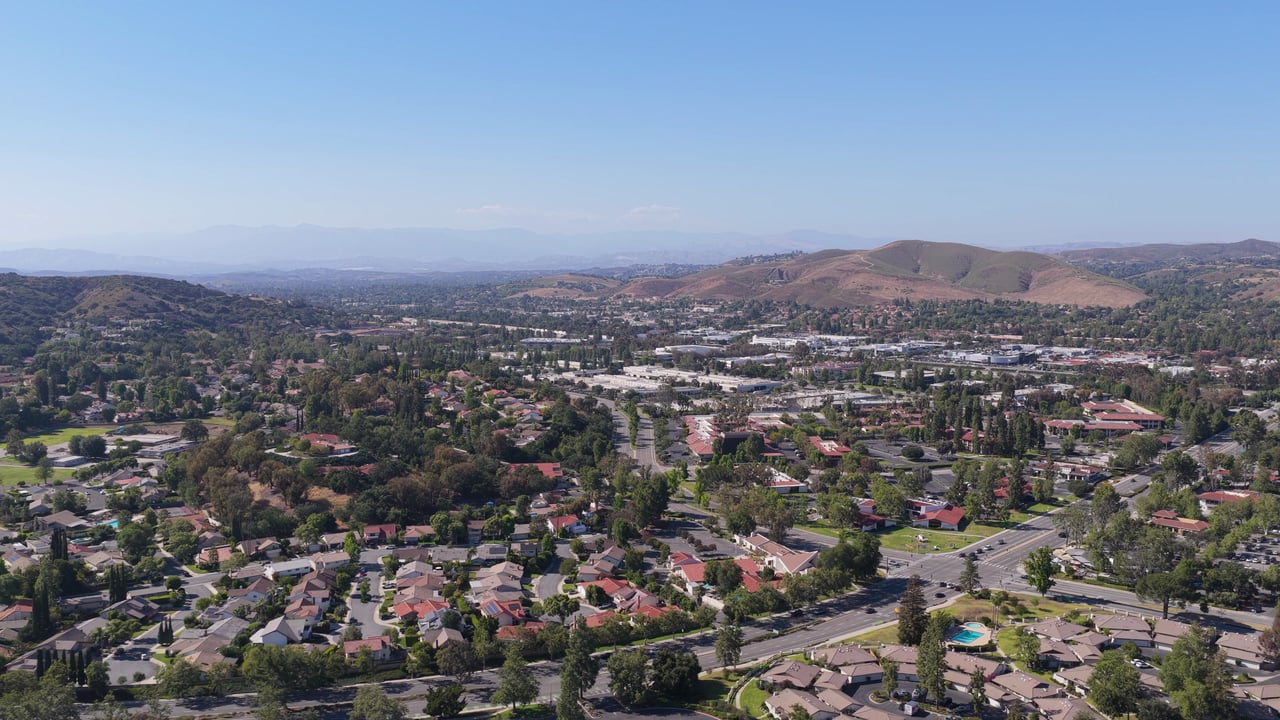
Northridge has more inherited homes hitting the market than almost any Valley neighborhood. The reason is simple: the families who rebuilt after the 1994 earthquake are now in their 70s and 80s. Their kids are inheriting houses they haven't lived in for decades and facing a set of decisions nobody prepared them for.
I've sold inherited properties in Northridge. I've sat across from families who are grieving, overwhelmed, and unsure where to start. This is the step-by-step process specific to Northridge, not generic California probate advice, but what actually matters when you're selling Mom or Dad's house in this neighborhood.
Why Northridge Is Different
Most inherited home guides treat every city the same. Northridge isn't every city. The 1994 Northridge earthquake destroyed or severely damaged thousands of homes. Families rebuilt. Those rebuilds are now 30 years old, and the generation that managed the rebuild is aging out. Their children are inheriting post-rebuild homes with a specific set of issues that don't exist in other neighborhoods.
This matters because the disclosure requirements, the condition of the home, and the buyer pool in Northridge are shaped by that history.
Earthquake Rebuild Disclosures
If the home was rebuilt after the 1994 earthquake, there are specific disclosure requirements about the scope of the rebuild, the permits that were pulled, and any ongoing foundation or structural work. This is unique to Northridge and the surrounding area.
As the seller of an inherited home, you may not have lived in the house during the rebuild. You may not know the details. That doesn't exempt you from disclosure. Here's what you need to do:
- Pull the LADBS permit records for the property to document the rebuild scope
- Check for any open or final permits related to the earthquake reconstruction
- Disclose what you know and what you don't know; the Transfer Disclosure Statement has a section for this
- If the rebuild involved foundation work, have a structural inspection done before listing so you know what you're selling
Skipping this step is how families get into post-closing disputes. Don't skip it.
Assessing the Property Condition
A 30-year-old post-earthquake rebuild has specific things to look for:
- HVAC systems reaching end of life. If the AC and furnace were installed during the '95-'96 rebuild, they're 30 years old. Budget for replacement or price accordingly.
- Roof replacement timing. A 30-year composition shingle roof installed during the rebuild is at or past its useful life. Get a roof inspection.
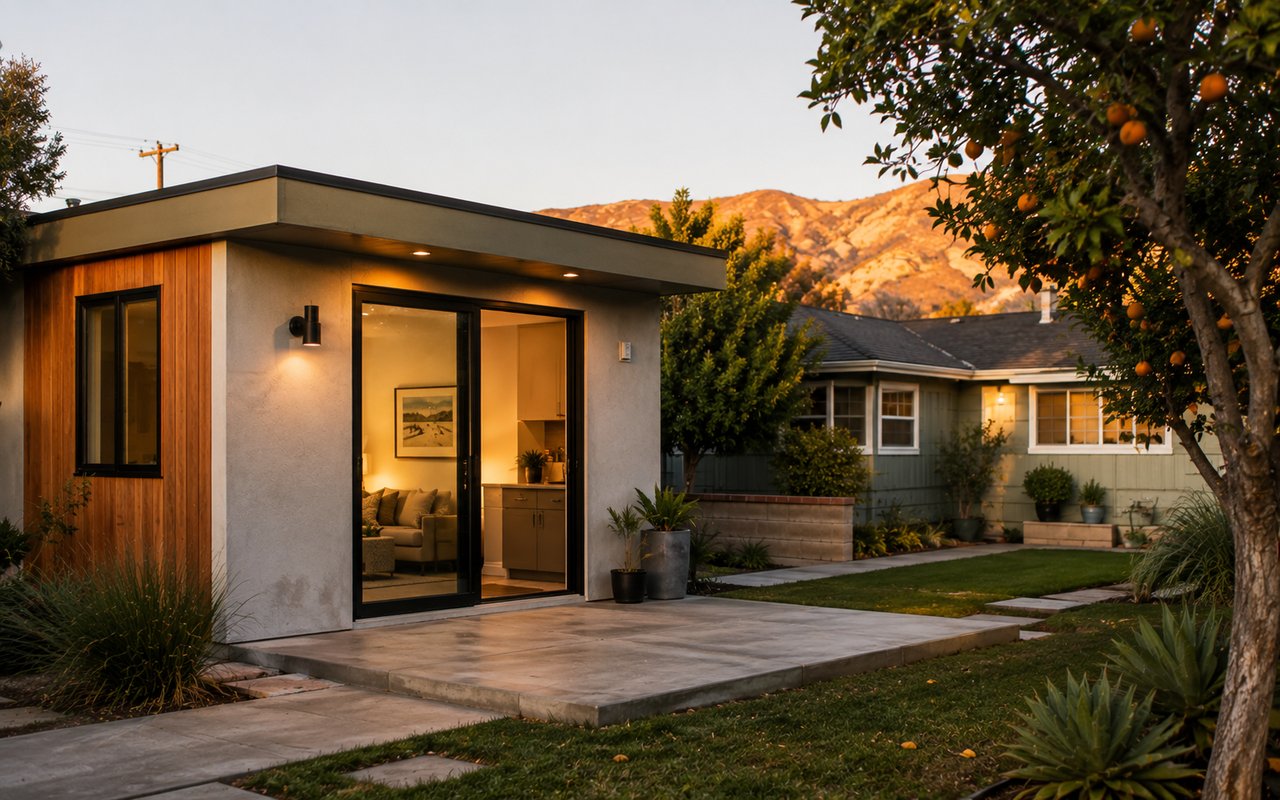
- Cosmetic updates that never happened. Many of these homes haven't been updated since the rebuild. Original cabinets, original flooring, original fixtures. That affects your buyer pool and pricing.
- Plumbing and electrical. Post-earthquake rebuilds were done to early 1990s code. Check for any issues that may have developed since.
The condition assessment drives the most important decision you'll make: repair or sell as-is.
The Repair vs. As-Is Decision
In Northridge specifically, you have two buyer pools for inherited homes, and the repair decision determines which one you're selling to.
Sell as-is to investors and project buyers: Strong investor interest in Northridge estate-condition homes. They buy quickly, often cash, and they don't care about cosmetic condition. The tradeoff: they're paying 10-20% below what a retail-ready home would fetch. Typical timeline: 21-30 days from list to close.
Make strategic repairs and sell to retail buyers: Northridge has a strong first-time buyer market. Families who want space, good schools (CSUN proximity is a draw), and value relative to Sherman Oaks or Encino. If you invest $30,000 to $60,000 in paint, flooring, kitchen refresh, and landscaping, you may net $80,000 to $120,000 more at sale. The tradeoff: it takes 2-3 months of renovation before you can list, and you're spending money from the estate.
The right answer depends on the property condition, the estate's financial situation, and how quickly the heirs need to close. I help families run the math on both scenarios so the decision is based on numbers, not emotion.
Pricing by Pocket
Northridge pricing varies dramatically by location. If your agent is pulling comps from "Northridge" as a single market, they're missing the picture.
North of Devonshire near the Porter Ranch border: This is the premium pocket. Larger lots, newer construction mixed with rebuilt homes, higher price point. Estate-condition homes here still command strong prices because of the location quality.
Between Devonshire and Nordhoff, east of Reseda Boulevard: The core of post-earthquake Northridge. Consistent housing stock, mid-range pricing, strong buyer demand.
South of Nordhoff near the Reseda border: Lower price point, different buyer demographic. More value-oriented investors and first-time buyers. If the inherited home is in this pocket, the as-is strategy may make more sense because the retail premium after repairs is smaller.
Near CSUN: Rental demand is high. If the heirs are considering keeping the property as a rental instead of selling, this pocket has the strongest rental market in Northridge.
I know these pockets because I sell in them. The pricing conversation for your specific property starts with the block, not the zip code.
Handling Multiple Heirs
This is where most inherited home sales get complicated, and it has nothing to do with the house. Multiple heirs who don't live in the same city, who have different financial needs, and who have different emotional attachments to the home.
Here's the family meeting structure that works:
- Get everyone on the same call before you do anything. Not a group text. A call. Share the facts: property condition, estimated value range, timeline options.
- Present both scenarios. As-is sale with lower price and faster timeline vs. repairs with higher price and longer timeline. Let the numbers guide the conversation.
- Designate one point of contact. The executor or trustee is legally responsible, but even when one person has authority, keeping all heirs informed prevents problems later.
- Set a decision deadline. Without a deadline, inherited home sales drag for months while families go back and forth. Give everyone the information, then set a date.
If alignment isn't possible, sometimes a mediator helps. It's cheaper than the cost of a house sitting vacant for six months while siblings argue.
Probate vs. Trust Administration
Good news for many Northridge families: the post-earthquake rebuild era (mid-1990s) coincided with a wave of estate planning. Many families set up living trusts when they rebuilt. If the home is in a trust, you skip probate entirely.
Trust administration: Faster timeline. The successor trustee can list and sell the property once they've been established. Typical timeline from death to close of escrow: 3-6 months.
Probate: If there's no trust, the property goes through LA County Superior Court probate. Filing the petition, getting appointed as administrator (2-4 months), then listing and selling with potential court confirmation. Total timeline: 9-18 months.
Check the title. If the property is held in a trust, you're in much better shape on timing.
Tax Implications
Three things every heir needs to understand:
Stepped-up basis: When you inherit property, your cost basis "steps up" to the fair market value at the date of death. If Mom bought the house for $150,000 in 1995 and it's worth $850,000 at her passing, your basis is $850,000. If you sell for $870,000, your taxable gain is only $20,000, not $720,000.
Prop 19: California's Proposition 19 changed the rules for inherited property tax transfers. Previously, children could inherit the parent's low Prop 13 tax base. Now, the property gets reassessed to current market value unless the child moves in as their primary residence within one year. This changes the math on whether to sell or keep as a rental.
Capital gains timeline: If you sell within a year of inheritance, gains are short-term (ordinary income rates). After one year, gains are long-term (lower rates). This can affect your sell-now vs. sell-later decision.
Talk to a CPA before making any decisions. I'm a real estate agent, not a tax advisor, but I'll make sure you're asking the right questions.
Timeline: Decision to Close
Realistic Northridge-specific timeline:
If the property is in a trust:
- Establish successor trustee authority: 2-4 weeks
- Property assessment and cleanout: 2-4 weeks
- Repairs if applicable: 4-8 weeks
- Listing to close: 30-45 days
- Total: 3-5 months
If the property requires probate:
- File probate petition: 2 weeks
- Court appointment of administrator: 2-4 months
- Property assessment and cleanout: 2-4 weeks
- Repairs if applicable: 4-8 weeks
- Listing to accepted offer: 2-4 weeks
- Court confirmation if required: 30-45 days
- Close of escrow: 30 days
- Total: 9-18 months
Plan for the longer end of each range. Every inherited home sale I've done has had at least one surprise.
Questions? Let's Talk.
If you've inherited a home in Northridge and you're not sure where to start, call me. I've sold inherited properties in this neighborhood. I know the disclosure requirements, the pricing pockets, and the buyer pool for estate-condition homes. More importantly, I know this is a difficult time, and I'll give you an honest assessment without the pressure.
Call or text (818) 697-4884 or email [email protected].
Justin Bonney is a California real estate agent (DRE #01338897) and the owner of Clear Way Real Estate in Sherman Oaks. He specializes in Lake Balboa, Van Nuys, Sherman Oaks, and the surrounding San Fernando Valley.