I had a buyer last year who was convinced she needed Sherman Oaks. After three weekends of getting outbid, I drove her through Valley Glen. Same central location, 20% less per square foot, and a house with a real yard instead of a Sherman Oaks condo. She closed in 30 days.
That's when it clicked for me. Valley Glen isn't the neighborhood everyone talks about at cocktail parties in the Valley. It doesn't have the cachet of Studio City or the established brand of Sherman Oaks. But it has something better: real value in a location that actually works.
Look, I get it. You want to buy where everyone wants to buy. That's human nature. But in 2026, that thinking will price you out of the market or put you in something that doesn't fit your life. Valley Glen sits in this sweet spot: geographically central, transit-connected, and still affordable enough that you can actually buy something substantial instead of stretching for a condo in a more "name-brand" neighborhood.
Where Valley Glen Actually Is
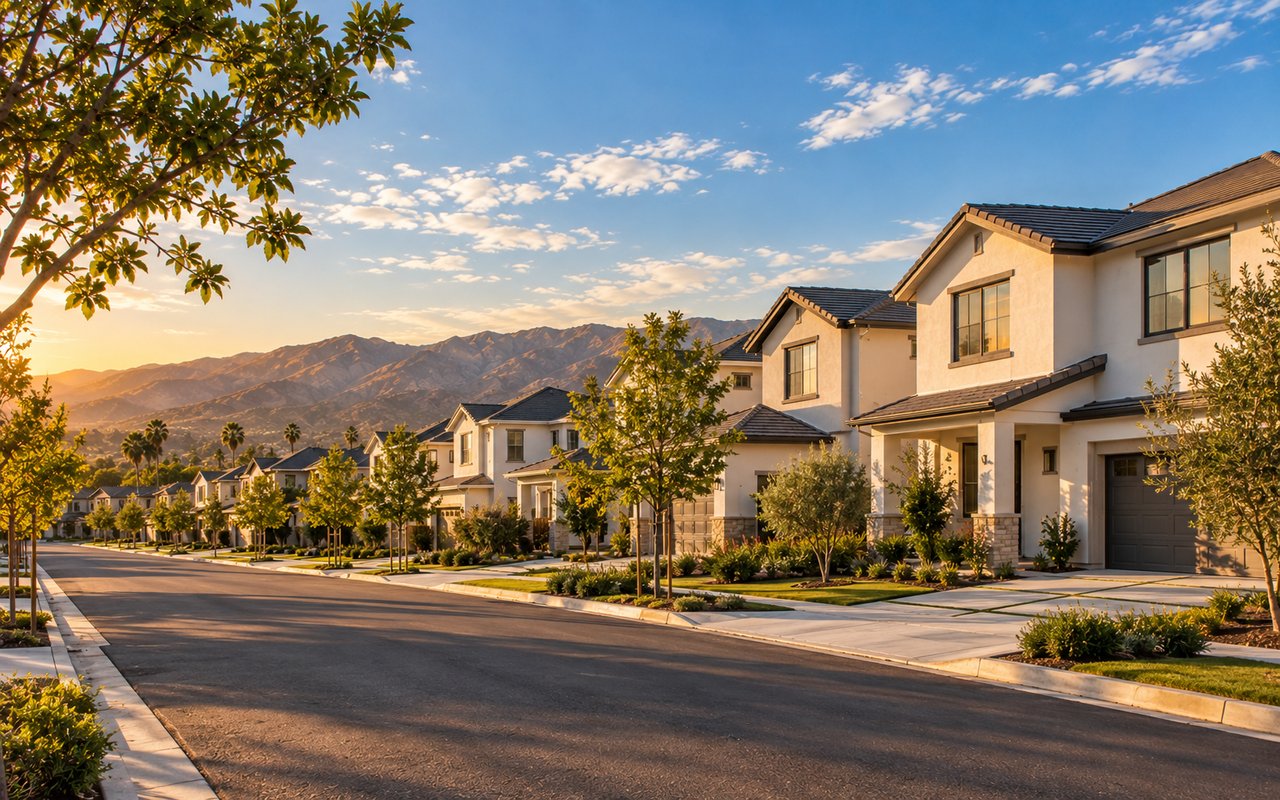
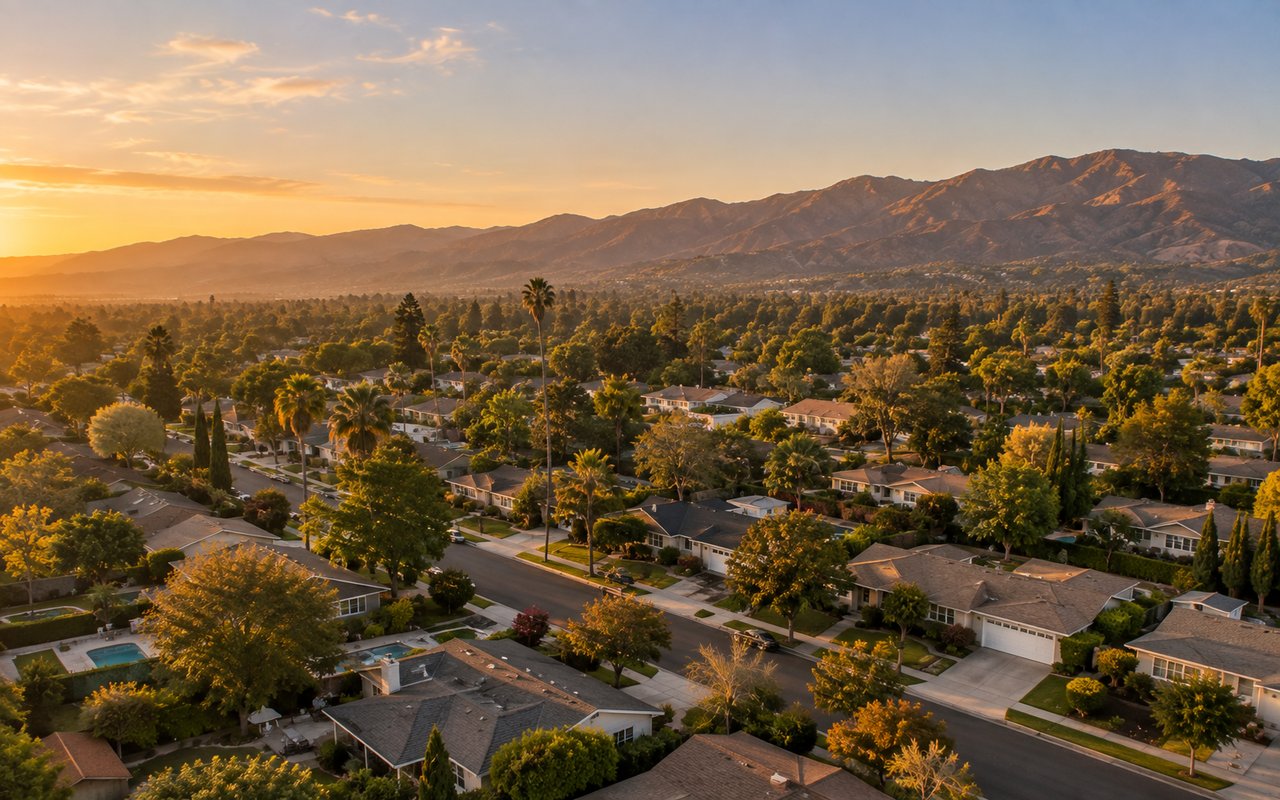
Let's start with the geography because it matters more than you think. Valley Glen is tucked between three heavyweight neighborhoods: Sherman Oaks to the south, Studio City to the east, and North Hollywood to the north. That positioning is everything.
You get the same freeway access as Sherman Oaks. You're minutes from the 170, the 101, and the 134. If you work on the Westside, you're looking at the same commute as someone paying $400K more for a Sherman Oaks address. The Orange Line (Metro's G Line) runs right through North Hollywood, just a short drive north. That's transit that's becoming increasingly valuable as our region rethinks commuting.
And here's what most people miss: you're also closer to the NoHo Arts District than you'd think. That's not just cultural amenities. That's development momentum. That's appreciation moving west.
The Price Gap Is Real
Let me put some actual numbers on this because data doesn't lie.
As of early 2026, median home prices in Valley Glen are hovering around $850K to $900K. A few blocks east, in Sherman Oaks, you're looking at $1.3M and up. Studio City? $1.4M to $1.6M. Even Van Nuys, just to the northwest, sits around $750K to $800K.
What does that gap mean in real terms? In Valley Glen, that $875K gets you a 3-bedroom, 2-bath mid-century ranch on a decent-sized lot. In Sherman Oaks at the same price point, you're looking at a smaller home, probably no yard, or you're buying a condo and dealing with HOA fees. In Studio City, you're not buying anything at that price.
That's not just a number difference. That's a lifestyle difference.
The Neighborhoods Worth Your Attention
Not every street in Valley Glen is created equal. If you're serious about this area, focus your search on three specific pockets.
East of Coldwater, near the Studio City border, you get the best school proximity and that Studio City feel without the Studio City price. This is where younger families are quietly moving, and prices are starting to reflect that.
The blocks south of Victory Boulevard give you slightly different character. More mid-century ranch density, deeper lots, and still central, still accessible, still affordable.
Around Valley College, you've got an anchor tenant that matters. A community college brings stability, foot traffic, and it's literally a landmark that keeps appreciating in importance as the region develops.
The NoHo Effect Is Real
Five years ago, I would have dismissed this. But the NoHo Arts District isn't some failed redevelopment project anymore. It's actually happening. Galleries are opening. Studios are moving in. Restaurants are getting better. Property values are climbing.
Valley Glen is adjacent to that momentum. It's in the path of that appreciation. When the NoHo District appreciates, it pushes development and investment west. Valley Glen benefits from proximity without paying for it yet.
This is the kind of thing you notice when you've been selling real estate in this valley for years. You see the patterns. You see where money and energy are flowing. Right now, that flow is reaching Valley Glen.
What You're Actually Buying
Let's talk about the housing stock because it matters for your decision.
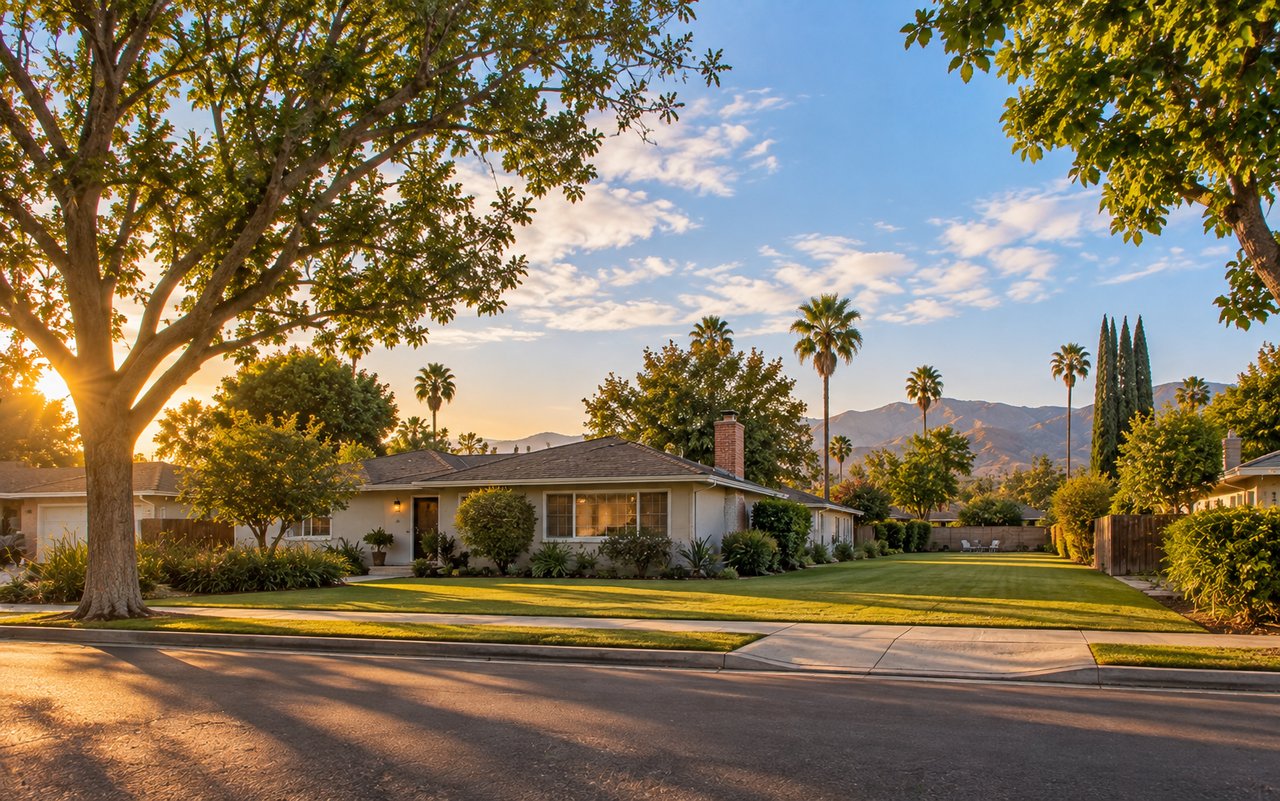
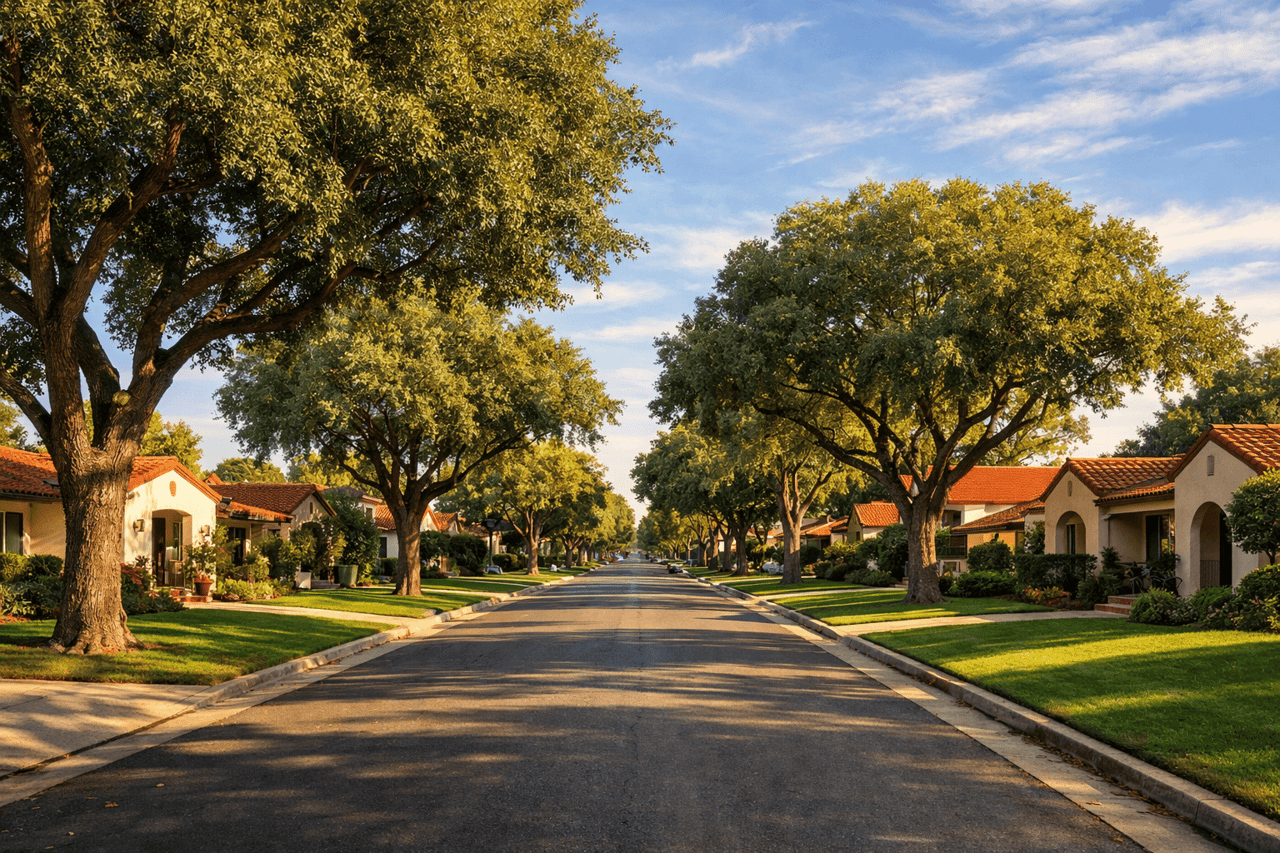
Valley Glen is dominated by mid-century ranch homes, typically 1,200 to 1,800 square feet built in the 1950s and 1960s. These aren't McMansions. They're built on decent-sized lots (often 6,000 to 8,000 square feet) with real yards, mature trees, and actual space. If you have kids or you want a dog, that matters.
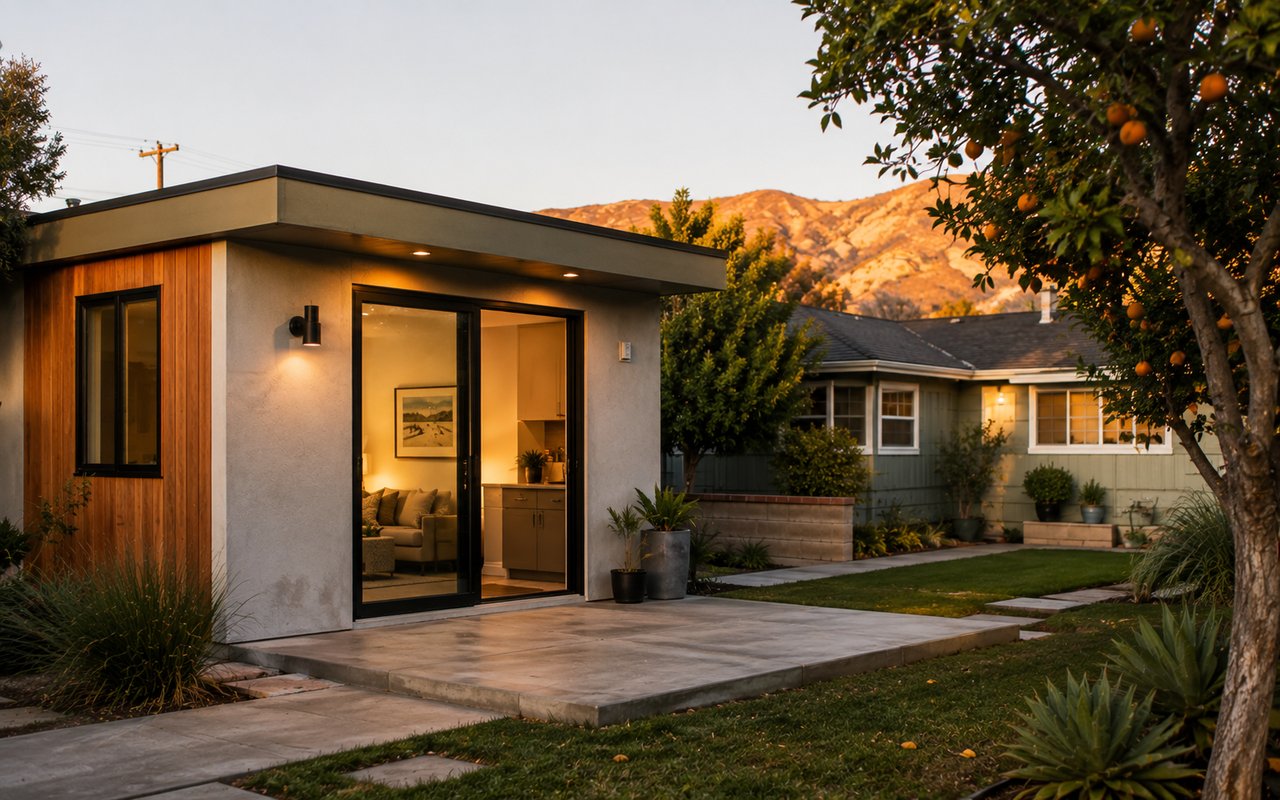
Many of these homes have ADU potential. That's not an accident. A lot of savvy investors are looking at Valley Glen specifically because you can add an ADU, create rental income, or build equity faster. Some properties already have ADUs or come with smaller multi-family configurations.
The bone structure of these homes is solid. Sure, some have outdated kitchens and bathrooms, but that's also where your equity growth comes from. You're not paying for someone else's renovation. You're getting the upside of doing it yourself.
Schools and Community
Valley College anchors the neighborhood as a community asset. If you're practical about it, that's valuable. Community colleges bring infrastructure, foot traffic, and they don't go away. They're stable anchors.
For K-12, you've got local school options depending on exact location. This isn't the most celebrated school district in the Valley, and I'm not going to oversell it. But if you're looking for central location plus affordability plus decent schools, you can make it work here.
What Valley Glen has most is actual community. It's not a transient neighborhood. People live here. They stay. That creates stability that shows up in property values.
The Investment Angle
Let me be direct about why investors are quietly buying here.
First, ADU potential. You can add income. You can build equity faster. That's just math.
Second, transit proximity. The Orange Line is closer than it is to most Valley neighborhoods. As remote work becomes less dominant, transit access becomes more valuable. Developers know this. Investors know this. Buyers are starting to figure it out.
Third, the appreciation trajectory. You're not overpaying for where the neighborhood is today. You're buying before the next wave of development and investment hits. That's how real estate wealth actually builds.
None of this is guaranteed. Real estate never is. But the fundamentals are there: central location, highway access, transit proximity, genuine value pricing, and development momentum in adjacent areas.
Who Valley Glen Is For
Let me be honest about who should actually move here.
First-time buyers who got priced out of Sherman Oaks or Studio City. Valley Glen gives you the location you need at a price that works. You're not buying a dream property. You're buying a smart property with genuine equity potential.
Investors who understand the ADU game. You can buy, add an ADU, stabilize your investment, and hold or flip with solid margins.
Anyone who prioritizes location over name recognition. You don't need your zip code to impress people. You need your commute to make sense and your mortgage to be manageable. Valley Glen delivers both.
Young families who want central location and actual space. You get yards. You get room. You get a neighborhood where kids actually play outside. That's becoming rare in the Valley.
Valley Glen isn't for people who need their neighborhood to have status. It's for people who need their neighborhood to work.
The Straight Talk
I'm not going to pretend Valley Glen is about to become the hottest neighborhood in Los Angeles. It won't. It doesn't have the cultural cache of Studio City or the established prestige of Sherman Oaks.
But here's what it has: central location, real affordability, solid housing stock, development momentum to the east, and room to build equity. In 2026, when inventory is tight and prices are aggressive everywhere, that's actually a significant combination.
Your decision shouldn't be based on neighborhood name. It should be based on: Does it fit my life? Can I afford it? Is there equity potential? Will I be happy living there?
For a lot of buyers I'm talking to right now, Valley Glen checks every box.
Ready to Explore Valley Glen?
If this resonates with you, if you're looking for central Valley location without overpaying for it, let's talk about what's actually available. I work with buyers and sellers across the entire San Fernando Valley, and I've got a track record of finding people the right neighborhoods at the right prices.
Whether you're a first-time buyer tired of getting outbid in Sherman Oaks, an investor looking at ADU potential, or someone who just wants to live somewhere that actually makes sense, Valley Glen deserves a serious look.
Give me a call. Let's drive through the best pockets and talk about what's actually moving in this market.
Justin Bonney | Clear Way Real Estate | DRE #01338897
Helping buyers and sellers across the San Fernando Valley make clear, confident real estate decisions.